




 Click it and Unblock the Notifications


Latest Updates
-
 Barbara Palvin In Victoria’s Secret Fashion Show Six Weeks After Birth
 -
 Maha Navami Significance: Why The Ninth Day Of Navratri Matters Most
 -
 Festive FOMO Is Changing Dating Habits, Survey Finds Nearly Half Of Singles Are Delaying Matches
 -
 Tiger Shroff Firing Incident: What Happened In Mumbai's Juhu? Latest Updates
 -
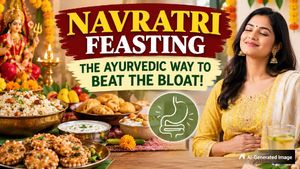 Eat, Celebrate, Repeat: 6 Ayurvedic Tips To Keep Your Digestion Happy This Navratri 2026
 -
 Breast Cancer Awareness Month 2026: Expert Explains The Emotional Toll Of Breast Cancer
 -
 Navratri 2026 Food Hopping In Delhi NCR: 7 Places To Explore For A Taste Of Festive Flavours
 -
 Why Casual Games Are Perfect for Quick Online Play
 -
 World Menopause Day 2026: Theme, Significance And What Research Reveals About Menopause In India
 -
 Navratri Day 8: Maa Mahagauri Puja, Colour, Rituals And Significance


Why Bisi Bele Bath Is A Healthy Choice For Diabetics?

Picture this: a warm, aromatic bowl of Bisi Bele Bath on a chilly evening, ah! The flavours dancing on your palate - the perfect blend of rice, lentils, vegetables, and spices.
But wait, you might wonder, is this popular South Indian dish a healthy choice, especially for those with diabetes? Well, don't break your head when we are here!

Is Bisi Bele Bath a Healthy Choice?
Bisi Bele Bath is a one-pot wonder that packs a punch of flavours. It's traditionally made with rice, toor dal (pigeon pea lentils), assorted vegetables, and a blend of aromatic spices.
The key lies in the balance - a hearty mix of carbohydrates, proteins, and fibre that can provide energy that can keep you fuelled all day long (mostly till lunch, but you get what I'm saying).
Let's take a look at the goodness that makes Bisi Bele Bath a wholesome breakfast-lunch or dinner:
- Protein: Toor dal, a primary ingredient, is a great source of plant-based protein.
- Fibre-friendly: The lentils and vegetables contribute dietary fibre, aiding digestion and managing blood sugar levels.
- Vitamin boost: The medley of veggies adds essential vitamins and minerals to your meal.
- Healthy spices: Ingredients like turmeric and fenugreek seeds offer potential anti-inflammatory and blood sugar-regulating effects.

Bisi Bele Bath And Diabetes
The big question - is Bisi Bele Bath safe for diabetics? The answer is a resounding yes! Here's why:
- Low glycemic index (GI): The combination of rice and lentils results in a lower glycaemic index compared to just rice, which can help prevent rapid spikes in blood sugar levels.
- Balanced Meal: The protein and fibre content in BBB can slow down the absorption of carbohydrates, promoting steady blood sugar levels.
- Portion Control: As with any meal, portion size matters. Opt for a reasonable serving to manage your carbohydrate intake effectively.
Tips For Enjoying Bisi Bele Bath If You Have Diabetes
Want to savour this dish while keeping your diabetes in check? Here's how:
- Load up on veggies: Fill your plate with a variety of colourful vegetables to maximize nutrition.
- Choose whole grains: Consider using brown rice or a blend of rice and millet for added fibre.
- Practice moderation: Enjoy in moderation and pair with a side salad or steamed veggies for a balanced meal.

On A Final Note...
In the realm of comfort foods, bisi bele bath stands tall as a dish that offers not only delectable flavours but also nutritional benefits. For people with diabetes, it can be a part of a well-balanced diet when enjoyed sensibly.
So, go ahead and relish this South Indian delight without worry - your taste buds and your health can coexist happily!
Disclaimer: The information provided in this article is for general informational and educational purposes only and is not intended as a substitute for professional medical advice, diagnosis, or treatment. Always seek the advice of your physician or a qualified healthcare provider with any questions you may have regarding a medical condition.

 Continue with Google

