




 Click it and Unblock the Notifications


Latest Updates
-
 Breast Cancer Awareness Month 2026: Expert Explains The Emotional Toll Of Breast Cancer
 -
 Navratri 2026 Food Hopping In Delhi NCR: 7 Places To Explore For A Taste Of Festive Flavours
 -
 Why Casual Games Are Perfect for Quick Online Play
 -
 World Menopause Day 2026: Theme, Significance And What Research Reveals About Menopause In India
 -
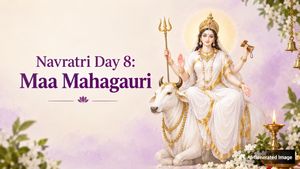 Navratri Day 8: Maa Mahagauri Puja, Colour, Rituals And Significance
 -
 Dussehra 2026: The Difference Between Vijayadashami And Ravana Dahan
 -
 Veteran Musician Deva Dies At 75: Life And Legacy Of Thenisai Thendral
 -
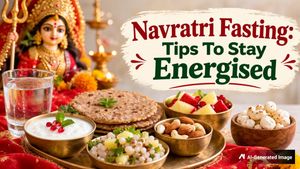 Navratri Fasting Diet: How To Stay Energised And Full Through The Day
 -
 Kavya Maran Wedding In Greece? Date, Venue, and What Is Confirmed
 -
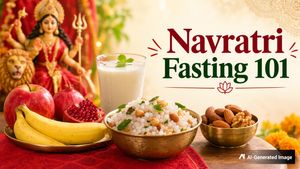 Navratri Fasting 101: What To Eat, What To Skip, And How To Avoid Acidity And Headaches


Eat, Celebrate, Repeat: 6 Ayurvedic Tips To Keep Your Digestion Happy This Navratri 2026

Navratri 2026 brings a change in food habits for many people, whether they are observing a fast, preparing vrat-friendly meals or enjoying festive treats with family and friends. However, changing meal timings, eating more than usual or indulging in rich foods can sometimes leave you feeling bloated, sluggish or uncomfortable.

Enjoying festive food does not have to mean compromising on digestive comfort. Small changes in how you eat, stay hydrated and manage your daily routine can help you feel better throughout the celebrations. Dr. Samhita Ullod, Assistant Professor, Department of Samhita and Siddhanta, SDMIAH, Bengaluru, shares Ayurvedic dietary habits and lifestyle tips to help support digestion during the festive season.
1. Eat According To Your Hunger
The first rule is eating as per one's hunger. Festival foods are really tempting, and one can grab an extra sweet out of temptation. This may cause heaviness and sluggishness.
Enjoy your favourite delicacies in moderate portions, eat slowly and stop before feeling uncomfortably full. Allowing time between meals can also help you recognise your body's hunger and fullness signals.
2. Choose Freshly Cooked, Warm Meals
Always consume freshly cooked warm food which aids easy digestion. Include cooked vegetables, soups, rice and other easily tolerated foods alongside festive dishes. Deep-fried, excessively rich or very heavy meals need not be eliminated, but keeping their portions moderate can help reduce digestive discomfort.
During Navratri, food choices can vary depending on individual fasting practices and family traditions. Choose meals that suit your dietary requirements while paying attention to how your body responds.
3. Include Digestive-Friendly Spices
Include digestive-friendly spices in the food like cumin, pepper, ginger, fennel etc., which helps in proper digestion and reduces bloating issues if any. Ginger-infused water may act as soothing if any post-meal heaviness.
4. Stay Hydrated Throughout The Day
Stay hydrated and keep moving. Warm water may be preferred by some people, but maintaining adequate hydration matters more than its temperature. Avoid replacing water with excessive sugary drinks.
If you are observing a Navratri fast, follow your fasting practices while ensuring adequate fluid intake during the permitted hours. Your hydration needs may also vary depending on the weather and your activity levels.
5. Take A Gentle Walk After Meals
A gentle walk after meals can support normal digestive movement and help prevent the sluggish feeling that often follows a heavy feast. Avoid lying down immediately after eating, especially if you experience acid reflux. Even a short, leisurely walk can be a simple way to stay active between festive gatherings.
6. Maintain Your Sleep And Eating Routine
Even though occasional festive munching, late-night celebrations are fine, it is better to maintain routine always, maintain proper sleep cycle and diet. Returning to your usual routine helps you maintain healthy habits throughout the festive season.
Enjoy Navratri 2026 With Mindful Eating
Navratri 2026 is a time to celebrate traditions, share festive meals and come together with family and friends. Whether you are fasting, preparing special dishes at home or enjoying festive treats, you can make room for your favourite foods while remaining mindful of your digestive health.
As Dr. Samhita Ullod explains, Ayurveda reminds us that health depends not only on what we eat but also on how much, when and how we eat. Individual digestive capacity varies, so paying attention to your body's responses is essential.
This Navratri 2026, focus on enjoying the festivities without unnecessary guilt, making mindful food choices and maintaining a sense of balance throughout the celebrations.
Disclaimer: The information provided in this article is for general informational and educational purposes only and is not intended as a substitute for professional medical advice, diagnosis, or treatment. Always seek the advice of your physician or a qualified healthcare provider with any questions you may have regarding a medical condition.

 Continue with Google

