




 Click it and Unblock the Notifications


Latest Updates
-
 Kavya Maran Wedding In Greece? Date, Venue, and What Is Confirmed
 -
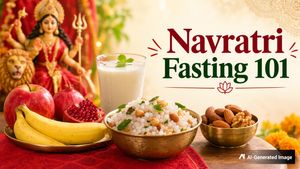 Navratri Fasting 101: What To Eat, What To Skip, And How To Avoid Acidity And Headaches
 -
 Navratri Day 7: Maa Kalaratri Puja, Colour, Rituals And Significance
 -
 Office To Dandiya Nights: One Quick-Change Outfit Formula For Navratri 2026
 -
 As ‘Ranabaali’ Hits Theatres, A Look At Rashmika Mandanna’s ₹1.31 Lakh Ivory Saree For Pre-Release Promotions
 -
 Durga Puja Pandals Mumbai 2026: 7 Stunning Celebrations To Explore From Matunga To Juhu
 -
 World Spine Day 2026: Is Your Phone Habit Causing Neck Pain? What To Know About Tech Neck
 -
 Breast Cancer Awareness Month 2026: Expert Explains Why Family History Isn't the Only Risk
 -
 Skanda Sashti 2026: Significance, Vrat Rituals And How Devotees Observe The Day
 -
 Saraswati Avahan 2026: Significance, Shubh Muhurat, Rituals And Puja Vidhi


Navratri Fasting Diet: How To Stay Energised And Full Through The Day

By late afternoon, many people observing Navratri fasts know the feeling: a dip in energy, a headache that will not quite go away, and a sudden pull towards something fried. Devotion shapes every fasting meal, but how steady your energy stays through the day depends largely on what goes on the plate.

We spoke to Dr Rohini Patil, author, nutritionist and founder of Nutracy Lifestyle, who explained how to build fasting meals that keep hunger in check and energy levels stable. Her approach is practical rather than restrictive. "Focus on balanced meals, adequate hydration and nutrient-dense ingredients rather than relying solely on starchy fasting foods," she says.
The Protein Most Fasting Plates Miss
Protein is often the first thing to go missing during a fast. "Protein plays an important role in maintaining satiety and supporting muscle health," she says. Milk, plain curd, paneer, nuts and seeds are the usual sources, where they are permitted within your fasting practice.
"For example, pairing a bowl of curd with a fasting-friendly meal or including paneer in a vegetable preparation can help increase protein intake," she adds. The right portions, she notes, depend on each person's individual needs.
Complex Carbs For Sustained Energy
Kuttu (buckwheat), rajgira (amaranth) and samak rice are staples of the Navratri table. "They provide carbohydrates that help meet the body's energy needs, along with varying amounts of fibre and other nutrients," Dr Patil explains.
Rajgira rotis, kuttu chillas and sama rice khichdi are common choices. "Combine them with suitable protein sources and vegetables where permitted to create more balanced meals," she advises.
Fruit, Nuts And The Question Of Portions

Fresh fruit is an easy way to add fibre and micronutrients. "Whole fruits are generally preferable to fruit juices because they retain their natural fibre and require more chewing," she says.
Nuts deserve more care. "Nuts and seeds are energy-dense. Enjoy them in moderate portions rather than consuming large handfuls throughout the day."
Water Matters More Than You Think
Fatigue and headaches during a fast are often linked to fluid intake. "Dehydration can contribute to fatigue, headaches and reduced concentration," she warns. Drink water regularly wherever your fasting schedule allows.
For those who avoid water entirely, she is clear on safety. "Take extra care and seek medical guidance if you experience dizziness, marked weakness or other concerning symptoms."
Swapping The Fried Snacks
Sabudana vadas and puris are festive favourites, but they carry a heavy load of fat and calories. "Instead, try roasted makhana, lightly sautéed vegetables, paneer preparations or steamed and boiled dishes that follow your fasting rules," she suggests.
Why Skipping Meals Backfires
Going too long without food can work against you. "Long gaps between meals may leave you excessively hungry later," she says. Her advice is to plan balanced meals and snacks around your fasting schedule, appetite and daily activity.
"Avoid unnecessary restriction, particularly if you have demanding workdays or exercise regularly," she adds.
Bottomline
A well-planned Navratri fast can include a range of carbohydrates, protein sources, healthy fats, fruits and permitted vegetables. As Dr Rohini Patil puts it, the focus should be on "food quality, sensible portions and adequate hydration rather than eating only a few traditional fasting staples."
If you have diabetes or another medical condition, speak to your healthcare professional before fasting.
Disclaimer: The information provided in this article is for general informational and educational purposes only and is not intended as a substitute for professional medical advice, diagnosis, or treatment. Always seek the advice of your physician or a qualified healthcare provider with any questions you may have regarding a medical condition.

 Continue with Google

