




 Click it and Unblock the Notifications


Latest Updates
-
 Hustle Culture Has a Bedroom Problem No One Talks About, Expert Explains
 -
 Iris Young Minds Initiative: How A Noida CSR Programme Is Opening Up Talk On Student Stress
 -
 Lal Hit Janta Party Explained: Who Is Behind The Rival to the Cockroach Janta Party
 -
 Barbara Palvin In Victoria’s Secret Fashion Show Six Weeks After Birth
 -
 Maha Navami Significance: Why The Ninth Day Of Navratri Matters Most
 -
 Festive FOMO Is Changing Dating Habits, Survey Finds Nearly Half Of Singles Are Delaying Matches
 -
 Tiger Shroff Firing Incident: What Happened In Mumbai's Juhu? Latest Updates
 -
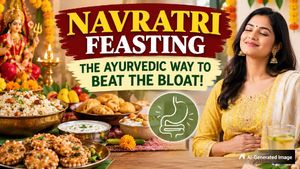 Eat, Celebrate, Repeat: 6 Ayurvedic Tips To Keep Your Digestion Happy This Navratri 2026
 -
 Breast Cancer Awareness Month 2026: Expert Explains The Emotional Toll Of Breast Cancer
 -
 Navratri 2026 Food Hopping In Delhi NCR: 7 Places To Explore For A Taste Of Festive Flavours


How Indian Pulses Can Drastically Cut Down Your LDL Cholesterol
An exploration of how Indian pulses contribute towards a healthier lifestyle by controlling bad cholesterol. These nutritionally dense foods are packed with proteins, fiber, vitamins, and minerals. Regular consumption leads to a decrease in LDL, or bad cholesterol, levels, and reduces the risk of heart-related disorders.

India, a country known for its diverse cuisine, has an arsenal of power-packed ingredients that contribute towards a healthy lifestyle.
One such magical ingredient is Indian pulses. These are the backbone of Indian cuisine and are acknowledged worldwide for their extraordinary health benefits, particularly in controlling bad cholesterol levels.

The Nutritional Profile of Indian Pulses
Indian pulses like lentils, chickpeas, beans and peas are nutritionally dense foods packed with proteins, fiber, vitamins and minerals. They are low in fat and high in complex carbohydrates which makes them an excellent choice for health-conscious individuals.
The superiority of consuming these pulses is not just confined to their nutritional quotient but also extends to their potential to combat various health complications.

Indian Pulses and Cholesterol
Have you ever wondered what makes Indian pulses instrumental in controlling bad cholesterol? It is a high fibre content.
Unlike other foodstuffs, Indian pulses contain a significant proportion of soluble fibre that binds with cholesterol-rich bile acids in the digestive system and facilitates their excretion.
When consumed regularly, these dietary fibres can help lower the levels of Low-Density Lipoprotein (LDL) or bad cholesterol in the blood, hence reducing the risk of heart-related disorders.

Inclusion of Pulses in Daily Diet
Integrating Indian pulses into the daily diet is not a cumbersome task.
These versatile legumes can effortlessly blend into any meal, be it breakfast, lunch, or dinner.
They can be used in an array of Indian delicacies like dal, curry, salads, soups, and even desserts. While Indian pulses can be savoured in their purest form, pairing them with grains like rice or roti enhances the overall nutritional value by providing a complete source of protein.

Conclusion
In the battle against bad cholesterol, Indian pulses emerge as a potent weapon. They not only add a punch of flavour and nutrition to the dishes but also bring along an array of health benefits.
Being a heart-friendly, affordable, and readily available resource, Indian pulses indeed, deserve to be incorporated into everyone's daily diet. So, let's give a thumbs up to these nutrition powerhouses and embrace a healthier lifestyle.
Disclaimer: The information provided in this article is for general informational and educational purposes only and is not intended as a substitute for professional medical advice, diagnosis, or treatment. Always seek the advice of your physician or a qualified healthcare provider with any questions you may have regarding a medical condition.

 Continue with Google

