




 Click it and Unblock the Notifications


Latest Updates
-
 Hustle Culture Has a Bedroom Problem No One Talks About, Expert Explains
 -
 Iris Young Minds Initiative: How A Noida CSR Programme Is Opening Up Talk On Student Stress
 -
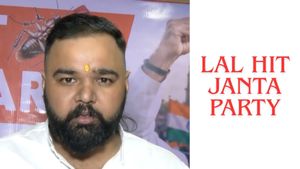 Lal Hit Janta Party Explained: Who Is Behind The Rival to the Cockroach Janta Party
 -
 Barbara Palvin In Victoria’s Secret Fashion Show Six Weeks After Birth
 -
 Maha Navami Significance: Why The Ninth Day Of Navratri Matters Most
 -
 Festive FOMO Is Changing Dating Habits, Survey Finds Nearly Half Of Singles Are Delaying Matches
 -
 Tiger Shroff Firing Incident: What Happened In Mumbai's Juhu? Latest Updates
 -
 Eat, Celebrate, Repeat: 6 Ayurvedic Tips To Keep Your Digestion Happy This Navratri 2026
 -
 Breast Cancer Awareness Month 2026: Expert Explains The Emotional Toll Of Breast Cancer
 -
 Navratri 2026 Food Hopping In Delhi NCR: 7 Places To Explore For A Taste Of Festive Flavours


thirukkural-On Virtue-On Fate-Kural 371


Poakoolaal thoanrum madi
The constructive industry that produces wealth, and the destructive indolence
That brings about adversity in life, are both the outcome of fate.
Fate determines the industry and indolence that produce wealth or adversity. Thiruvalluvar is primarily the product of the Tamil Hindu Society of two thousand years ago which, it would appear, fully believed in the Karma theory. This idea envisages that one"s conduct and achievements in the present life are regulated by the good and bad deeds performed by one in the previous life. These past deeds give rise to the industry and indolence, which now are apparent causes for the acquisition and loss of wealth.
The poet by this explanation seeks to reconcile the 'Doctrine of Karma' with the inescapable cause and effect nexus between work and wealth.
'Ool" or fate arising from Karma is not to be mistaken for belief in blind luck. Valluvar"s view is that fate determines the sum total of man"s thoughts, desires and actions, which become his start in the next life.
According to Rajaji, men reap the just and natural reward of every previous action of theirs, and build their natures and tendencies as a result of it. The account obviously is not closed at death but carried over. But the implication is that, there is still some room, albeit against odds, for the play of the individual will and effort in the environment, which can make all the difference to the ultimate outcome, in a particular set of circumstances, which need not be absolutely pre-determined.

 Continue with Google

