



 Click it and Unblock the Notifications



Latest Updates
-
 As ‘Ranabaali’ Hits Theatres, A Look At Rashmika Mandanna’s ₹1.31 Lakh Ivory Saree For Pre-Release Promotions
-
 Durga Puja Pandals Mumbai 2026: 7 Stunning Celebrations To Explore From Matunga To Juhu
-
 World Spine Day 2026: Is Your Phone Habit Causing Neck Pain? What To Know About Tech Neck
-
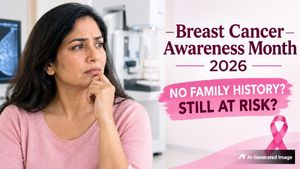 Breast Cancer Awareness Month 2026: Expert Explains Why Family History Isn't the Only Risk
-
 Skanda Sashti 2026: Significance, Vrat Rituals And How Devotees Observe The Day
-
 Saraswati Avahan 2026: Significance, Shubh Muhurat, Rituals And Puja Vidhi
-
 Navratri Day 6: Maa Katyayani Puja, Colour, Rituals, And Significance
-
 Garba Before The DJ Era: What Navratri Looked Like In Earlier Times
-
 What Does Indian Design Mean Today? A Creative Director Explains
-
 Why Your Vision Can Feel Different In Bright And Dim Rooms, Expert Explains


11 Iron-Rich Foods For Pregnant Women

Pregnant women are more vulnerable to iron deficiency as they need more of this vital nutrient to supply to the growing foetus and simultaneously, improve their count of red blood cells. Around two-thirds of the total body's iron is for maternal needs while one-third is for the needs of the foetus and placenta tissue. [1] Lack of iron in the body during pregnancy is the main cause of anaemia in infants and children.

Iron plays an important role in the transportation of oxygen to the foetus, growth and development of the baby and manufacturing of red blood cells. The demand for iron, however, changes during the gestation with 0.8 mg/day in the first trimester to 3-7.5 mg/day in the third trimester. [2]
Micronutrients such as iron during pregnancy are very important. Dietary sources of iron, compared to iron supplements, are recommended by experts as the latter may reduce the absorption of non-heme iron from the food sources and increase free radicals in the body, which may cause more pregnancy complications. [3]
Pregnancy And Birth: Side Effects of Epidural Injections On Mother And Foetus
In this article, we have listed down some of the best dietary sources of iron which pregnant women can consume to meet their daily iron requirements. Take a look.

1. Organ Meat
Organ meats such as liver, kidney and heart are significantly high in iron and heme-iron. These organ meats are also rich in zinc, protein and vitamin B12 that helps in the development of the foetus and formation of red blood cells. [4]

2. Oranges
Though oranges are high in vitamin C, they also contain other vital nutrients like iron, vitamin A, fibre and protein. The content of iron compared to vitamin C may be low in this fruit but, it is highly known to help in the absorption of iron through other dietary sources. [5]

3. Almonds
This iron-rich dried fruit is also a vital source of other nutrients like protein, vitamin E and unsaturated fats. Almonds help improve lipid profile which in turn, prevent weight gain during pregnancy. [6]

4. Pumpkin Seeds
Pumpkin seeds are filled with iron and also high in beta-carotene, fatty acids, vitamin E and amino acids. They are widely known to relieve oedema and other inflammations during pregnancy and after the delivery. [7]

5. Chicken
This iron-packed poultry is recommended during pregnancy as long as they are well-cooked. Chicken is also a good source of lean protein, vitamins and minerals that helps in the healthy development of the foetus.

6. Apples
Iron and vitamins in apples are helpful for the growing baby and mom-to-be. Green apples are preferred over red apples during pregnancy. Apples help in preventing pregnancy complications such as preterm birth, gestational diabetes and bacterial infections in the vagina. [8]

7. Beetroot
Bioactive compounds in beetroots include iron, zinc, copper, potassium and other vital flavonoids and polyphenols. Beetroot helps in lowering blood pressure, improving renal health and heart functions during pregnancy. [9]

8. Salmon
Seafood like salmon is rich in iron, protein and omega-3 fatty acids. These vital nutrients help in the brain and ocular development of the foetus. Two portions of salmon per week are recommended by experts during pregnancy. [10]

9. Spinach
Spinach is rich in iron, folate, iodine and calcium. It is considered one of the best vegan diets during pregnancy and lactation. Spinach helps prevent spine and brain-related complications of the growing baby.

10. Chickpeas
Chickpeas are a good source of iron, folate, vitamin A, potassium, magnesium and fibre. These nutrients help prevent birth defects in newborns, manage gestational diabetes, treats pregnancy constipation and help in baby's muscle and tissue development.

11. Coconut Milk
Coconut milk contains an adequate amount of iron. It is also rich in potassium, sugar, healthy fats and protein. Coconut milk promotes the growth and development of the baby and provides vital nutrients to the mother.

 Continue with Google


