




 Click it and Unblock the Notifications



Latest Updates
-
 Navratri Day 8: Maa Mahagauri Puja, Colour, Rituals And Significance
-
 Dussehra 2026: The Difference Between Vijayadashami And Ravana Dahan
-
 Veteran Musician Deva Dies At 75: Life And Legacy Of Thenisai Thendral
-
 Navratri Fasting Diet: How To Stay Energised And Full Through The Day
-
 Kavya Maran Wedding In Greece? Date, Venue, and What Is Confirmed
-
 Navratri Fasting 101: What To Eat, What To Skip, And How To Avoid Acidity And Headaches
-
 Navratri Day 7: Maa Kalaratri Puja, Colour, Rituals And Significance
-
 Office To Dandiya Nights: One Quick-Change Outfit Formula For Navratri 2026
-
 As ‘Ranabaali’ Hits Theatres, A Look At Rashmika Mandanna’s ₹1.31 Lakh Ivory Saree For Pre-Release Promotions
-
 Durga Puja Pandals Mumbai 2026: 7 Stunning Celebrations To Explore From Matunga To Juhu


Pregnancy And Gynecology: Some Facts
If you are planning to get pregnant, you might need to know certain things like pelvic examination, fertilization, trimesters, foods to eat during pregnancy and so on.

Every married person may need to know certain basics about pregnancy. Whether it is about contraceptive methods, fertilization, pelvic examination, pregnancy food or trimesters, it is better to keep yourself educated.

Many hormonal changes occur inside the woman's body and it is not easy to get through the 9 months of pregnancy.
Also Read: Foods To Eat During Pregnancy To Get A Fair Baby
In this post, let us discuss about several aspects of pregnancy and gynecology.

What's A Pelvic Exam?
A pelvic exam is done to identify problems in the reproductive organs. Generally, the uterus, vulva, cervix, ovaries, fallopian tubes, rectum and bladder are tested during the process of this exam.

When Is It Done?
Actually, women need to go for a routine pelvic exam once or twice a year. Pregnant women must surely undergo this test once. This test can also diagnose infections like vaginosis and chlamydia.

What Is Fertilization?
When the sperm cell gets into the egg it is known as fertilisation. During this process, the DNA of both the man and the woman unite into one single entity called the embryo.
Also Read: 12 Best Foods To Eat During Pregnancy For A Healthy Baby

What Happens After Fertilisation?
The fertilised egg moves from the fallopian tube to the uterus lining. Once it reaches there, the embryo is known as a blastocyst. That is when women are considered pregnant.

What To Eat During Pregnancy?
Well, as a pregnant woman's body goes through many physiological changes, healthy diet is important to cope up with the situation.
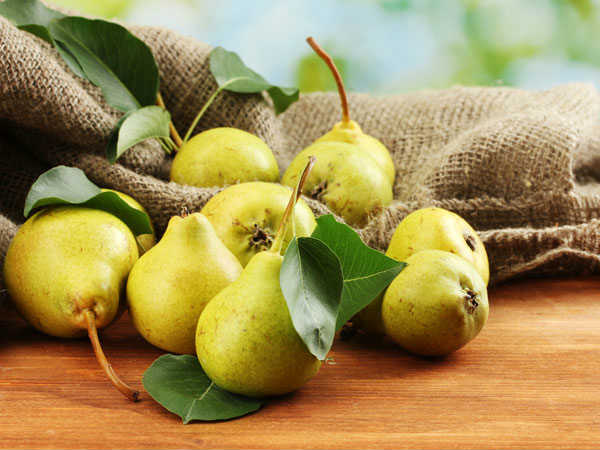
Also, some foods are safe and some aren't during pregnancy. Some good foods are dairy (for protein and calcium), legumes (for folate and fiber), sweet potatoes (for beta carotene), salmon if your doctor permits (for omega 3 fatty acids), eggs (for choline), broccoli (for minerals), berries (for anti-oxidants) and whole grains (for some vitamins and carbs).

What Are Trimesters?
The 40 week duration of pregnancy is divided into 3 trimesters which are just stages of pregnancy.

First Trimester
When the embryo implants in the uterus, certain hormonal changes occur in the body. By the 8th week, the embryo starts developing some of the body parts.
As it is a very sensitive stage, it is better to stay away from alcohol, contaminated food or radiation exposure. Gradually, by the end of this trimester, the embryo grows into foetus.

Second Trimester
During this trimester, you will start sensing the movements of the foetus. During this stage, the foetus puts on weight. The length of the foetus would be around 10 inches and weight would be around 650-700 grams.
Also Read: 10 Fruits To Eat During Pregnancy

Third Trimester
This is the last stage of pregnancy. At this stage, all parts of the body will start developing. Also, the foetus will start moving. Towards the end of this stage, the head of the foetus moves down preparing for the birth.


 Continue with Google


