




 Click it and Unblock the Notifications


Latest Updates
-
 Breast Cancer Awareness Month 2026: Expert Explains The Emotional Toll Of Breast Cancer
 -
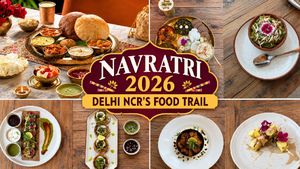 Navratri 2026 Food Hopping In Delhi NCR: 7 Places To Explore For A Taste Of Festive Flavours
 -
 Why Casual Games Are Perfect for Quick Online Play
 -
 World Menopause Day 2026: Theme, Significance And What Research Reveals About Menopause In India
 -
 Navratri Day 8: Maa Mahagauri Puja, Colour, Rituals And Significance
 -
 Dussehra 2026: The Difference Between Vijayadashami And Ravana Dahan
 -
 Veteran Musician Deva Dies At 75: Life And Legacy Of Thenisai Thendral
 -
 Navratri Fasting Diet: How To Stay Energised And Full Through The Day
 -
 Kavya Maran Wedding In Greece? Date, Venue, and What Is Confirmed
 -
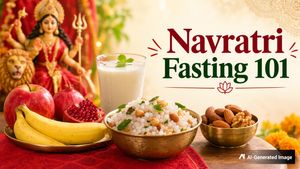 Navratri Fasting 101: What To Eat, What To Skip, And How To Avoid Acidity And Headaches


Foods That Are Not Safe For Babies: A Listicle For Parents

Despite your child's enthusiasm for trying new foods, there are some foods that babies should not consume - at least until their stomachs are able to accommodate them.
It is true that babies cannot consume every type of food due to the fact that their bodies are not fully developed. Because they are not capable of digesting certain foods, babies are advised to consume only a few specific foods that are beneficial to their health, as well as those that do not cause them any harm [1].

The negligence of parents can negatively impact a baby's health and negatively affect his or her development [2].
As part of this article, we have listed some of the foods that you should avoid feeding your baby. Read on to find out more.
Why Are Certain Foods Bad For Babies?
According to experts, parents should steer clear of foods high in sugar and salt in their toddlers, as these can negatively affect their brain function. A lot of attention must be given to babies who are under one year of age and when it comes to their food habits, parents should take extra precautions [3].
Babies below the age of one year should rely entirely on their mother's milk for their nourishment, as solid foods should not be introduced to them until they reach the age of six months.
The consumption of butter, nuts, egg whites, shellfish, and citrus fruits should be prohibited for babies.
Consuming these foods can pose health risks to infants who are still growing and developing. Some of these foods may cause allergies in infants.

List Of Foods Bad For Babies
Here is a list of foods that you should never ever give to your tiny one!
1. Salt
It is important not to over-salt your baby's food since his or her kidneys are not capable of processing more salt. In some cases, too much salt may even damage the brain. As such, you should avoid adding too much salt to your baby's food [4].
2. Sugar
A diet that contains too much sugar can lead to dental decay in babies. This can be prevented by avoiding foods such as fruits, candies, and salads that contain a lot of sugar. For this reason, babies should be advised to avoid certain sweets and desserts that contain a lot of sugar [4]. Avoid chocolates too.
3. Honey
Honey is dangerous for babies. It has been linked to infant botulism. It may also cause lethargy, a lack of appetite, and constipation [5]. Therefore, honey should be strictly avoided until the baby is one year old.
4. Nuts
Nuts should be avoided, as they may cause chocking in babies, making it difficult for them to breathe. Babies below 6 months of age have difficulty digesting eggs as well. Hence, eggs and nuts should be totally avoided for babies below 1 year of age [6].
5. Egg
A baby can be fed egg whites in moderation if he or she doesn't develop allergies to them. Egg whites are rich in vitamins, proteins, and minerals. If you feed your baby egg whites at an early age, it can cause irritation, rashes, and even trigger the digestive system and lead to diarrhoea [7]. However, it is still best to start feeding egg whites to your baby after a year old, after checking for allergies first.
6. Cow's milk
As cow's milk contains a high lactose content, it may adversely affect your baby's little tummy. Therefore, cow's milk should not be consumed until your baby reaches a year of age. After that, you should use cow's milk, which is easily digestible and contains nutrients essential for the growth of your baby [8].

On A Final Note...
During the first year of weaning your child out, it is important to ensure that you do not feed some foods as they can cause medical issues. As a new parent, you are required to understand which foods are safe and unsafe for your child because babies have delicate digestive systems, and foods which do not suit their system could result in food allergies.

 Continue with Google

