




 Click it and Unblock the Notifications


Latest Updates
-
 Condoms, Pills, Copper-T or Hormonal IUD: Expert Answers How Do You Actually Choose?
 -
 The Missing Medal: How Mirabai Chanu Finally Completed Her Collection At The Asian Games
 -
 From Corsetry To Crystals: Breaking Down Rashmika Mandanna's Vogue World Gown
 -
 Govt Warns Against Overusing Antibiotics And Painkillers: No Prescription, No Pills
 -
 72nd National Film Awards: Yami Gautam's Message For Outsiders, Mammootty And Dhanush Honoured
 -
 Ayurveda Day 2026: An Expert Explains 7 Food Habits Ayurveda Would Ask You To Rethink
 -
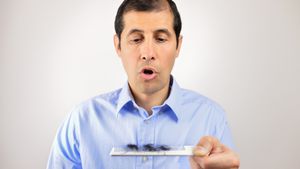 Stop Blaming the Monsoon Entirely for Your Hair Fall, Says This Dermatologist
 -
 Shakira Debuts a New Gaurav Gupta Breastplate, and This Time It's Gold and Banarasi
 -
 Can Hair Oils Prevent Premature Graying or Improve New Hair Growth?
 -
 Can Any Blood Group Donate Organs to Any Patient? A Transplant Expert Explains


Taking A Hot Bath Is Equivalent To A 30-Min Walk, Calorie-Wise; Study

What do a hot bath and walking have in common? They both burn your calories, and according to a study, the same amount! So while you enjoy the latest novel from the comfort of your own home, you might be able to burn some serious calories.
An experiment by researchers at Loughborough University examined what would happen if they raised the core body temperature by one degree Celsius.

The participants took a one-hour bath in water heated to 104 degrees Fahrenheit. In addition, they rode a bicycle for one hour. There was no great surprise in some of the results - participants burned more calories while riding bicycles. Researchers discovered, however, that soaking in a hot bath for an hour burns 130 calories: the equivalent of walking for 30 minutes [1].
How Does A Hot Bath Burn Calories?
This process - burning calories in the tub - is known as passive heating. Unlike exercising, passive heating occurs when a hot and humid environment causes you to sweat without exerting effort [2].
According to the study's lead author, physiologist Steve Faulkner, the solution lies in what is known as heat shock proteins. These proteins are produced during exercise and in passive heating when the body temperature is raised without exercise.
"Heat shock proteins are molecules made by all cells of the human body in response to stresses," Faulkner explained. "In the long term, raised levels of these proteins may help insulin function and improve blood sugar control."
According to Faulkner, these kinds of proteins are lower in people with diabetes. Passive heating may be a useful technique to help people with diabetes control their glucose levels, as well as help them manage their weight [3].

You should always remember that most of the weight you lose from sweating is water weight [4]. The effects of this can be dehydrating, and you will need to replenish accordingly [5]. Moreover, when exercising, your body benefits much more from movement than from sweating profusely, not from dripping sweat.
On A Final Note...
Sweating has many benefits, regardless of whether you are trying to increase your calorie expenditure. Using it can boost endorphins, detoxify your body, reduce your risk of kidney stones, reduce acne, and prevent colds and other illnesses. This alone is sufficient reason to grab your favourite book and take a long bath.
Disclaimer: The information provided in this article is for general informational and educational purposes only and is not intended as a substitute for professional medical advice, diagnosis, or treatment. Always seek the advice of your physician or a qualified healthcare provider with any questions you may have regarding a medical condition.

 Continue with Google

