




 Click it and Unblock the Notifications


Latest Updates
-
 Dussehra 2026: The Difference Between Vijayadashami And Ravana Dahan
 -
 Veteran Musician Deva Dies At 75: Life And Legacy Of Thenisai Thendral
 -
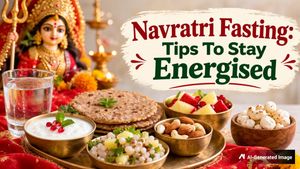 Navratri Fasting Diet: How To Stay Energised And Full Through The Day
 -
 Kavya Maran Wedding In Greece? Date, Venue, and What Is Confirmed
 -
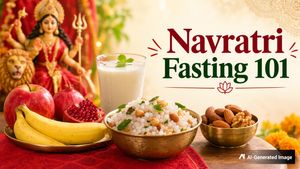 Navratri Fasting 101: What To Eat, What To Skip, And How To Avoid Acidity And Headaches
 -
 Navratri Day 7: Maa Kalaratri Puja, Colour, Rituals And Significance
 -
 Office To Dandiya Nights: One Quick-Change Outfit Formula For Navratri 2026
 -
 As ‘Ranabaali’ Hits Theatres, A Look At Rashmika Mandanna’s ₹1.31 Lakh Ivory Saree For Pre-Release Promotions
 -
 Durga Puja Pandals Mumbai 2026: 7 Stunning Celebrations To Explore From Matunga To Juhu
 -
 World Spine Day 2026: Is Your Phone Habit Causing Neck Pain? What To Know About Tech Neck


How Food Moves Through Intestines
Here is how your food moves through your intestines before it leaves your body...

We eat food not for the sake of pleasure but to derive nutrients and survive. Of course, most of us have turned this process into a pleasure.
The food that you eat undergoes several changes when it passes through the stomach and intestines. The nutrients in it are derived by the body in several ways.
Once all nutrients are absorbed, the waste material is eliminated. Read on to know more...

Fact #1
Generally, the food you eat now may take a day or two to leave your system in the form of waste material.

Fact #2
Several factors like the texture of food, its quantity, its state of matter (liquid or solid), how well you chew and the chemical composition of the food play a role in the times food takes to digest.

Fact #3
If you don't chew your food properly, it takes more time to digest it. Food generally reaches the small intestine from the stomach and from there, it travels to the colon.

Fact #4
A juice gets secreted from the liver and pancreas and mixes with the food when it reaches the small intestine. This is a process of breaking it down. The waste material is passed out to the colon.

Fact #5
When food reaches the colon, it tries to derive any remaining nutrients in it and then throws the waste material out of the body. It also absorbs the water content and helps the bowels pass easily.

Fact #6
Eating a fibre-rich diet helps the bowels pass effortlessly. Also, the movement of the wastes in the colon gets smoother.

Fact #7
Eating whole grains, legumes and vegetables is good for your digestive system. Reduce processed foods and eat natural foods to keep your digestive system happy.

 Continue with Google

