




 Click it and Unblock the Notifications


Latest Updates
-
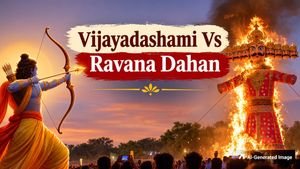 Dussehra 2026: The Difference Between Vijayadashami And Ravana Dahan
 -
 Veteran Musician Deva Dies At 75: Life And Legacy Of Thenisai Thendral
 -
 Navratri Fasting Diet: How To Stay Energised And Full Through The Day
 -
 Kavya Maran Wedding In Greece? Date, Venue, and What Is Confirmed
 -
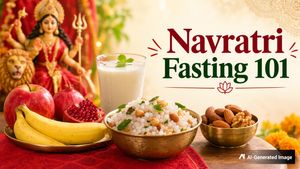 Navratri Fasting 101: What To Eat, What To Skip, And How To Avoid Acidity And Headaches
 -
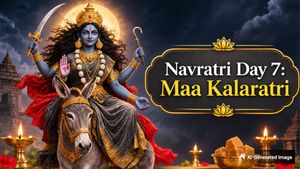 Navratri Day 7: Maa Kalaratri Puja, Colour, Rituals And Significance
 -
 Office To Dandiya Nights: One Quick-Change Outfit Formula For Navratri 2026
 -
 As ‘Ranabaali’ Hits Theatres, A Look At Rashmika Mandanna’s ₹1.31 Lakh Ivory Saree For Pre-Release Promotions
 -
 Durga Puja Pandals Mumbai 2026: 7 Stunning Celebrations To Explore From Matunga To Juhu
 -
 World Spine Day 2026: Is Your Phone Habit Causing Neck Pain? What To Know About Tech Neck


Dussehra 2020: Muhurta, Legends And Significance Of This Festival

Dussehra which is also known as Vijayadashami is a significant Hindu festival that marks the end of Navratri and Durga Puja. The festival is celebrated on the next day of Navratri. This year the festival will be observed on 25 November 2020. However, in some parts of India, the festival will be observed on 26 November 2020. To know more about Dussehra, read the article below.

Also read: Navratri 2020 Day 9: Know About Devi Siddhidatri And Maha Navami
Muhurta For Dussehra
The Muhurta for Vijayadashmi will begin from 1:58 pm on 25 October 2020 and will stay till 02:43 pm on 25 October 2020. While in West Bengal, Aparahna Puja which is performed in Vijayadashmi will be done from 1:13 pm to 03:28 pm on 26 October 2020.
Legends Of Dussehra
- According to Hindu mythology, Goddess Durga killed Mahishasur at the end of the ninth day of battle.
- The next day was therefore celebrated as Vijayadashmi.
- According to Ramayana, when Rahana, the demon king of Lanka abducted Goddess Sita, Lord Rama went on to search Goddess Sita.
- When Lord Rama came to know that Sita is kept in the captivity of Ravana, He went on to fight against the demon king.
- The fight went on for nine days.
- On the tenth day, Lord Rama slew Ravana and won the battle.
- Ravana was believed to have the might and intelligence of ten heads, He was also known as Dashanan and since Lord Rama killed Him, the day was known as Dussehra.
- The festival symbolises the victory of good over bad and evil over austerity.
Significance
- On the occasion of Vijayadashami, people burn the puppets of Ravana, his brother Kumbhakarn and son Meghnath.
- The latter two are said to be the main allies of Ravana during the abduction of Goddess Sita and fighting the battle against Lord Rama.
- People gather in groups to witness Ravana Vadh, the burning of Ravana's puppet.
- People take an oath to discard all the bad qualities and embrace good behavior and noble thoughts.
- On the occasion of Dussehra, the idols of Goddess Durga along with the idols of other Gods are immersed in water bodies.
Also read: Navratri 2020: Significance Of Bengal Maha Navami

 Continue with Google

