




 Click it and Unblock the Notifications


Latest Updates
-
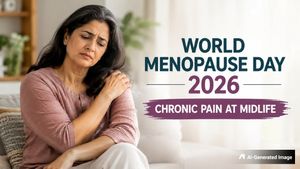 World Menopause Day 2026: Theme, Significance And What Research Reveals About Menopause In India
 -
 Navratri Day 8: Maa Mahagauri Puja, Colour, Rituals And Significance
 -
 Dussehra 2026: The Difference Between Vijayadashami And Ravana Dahan
 -
 Veteran Musician Deva Dies At 75: Life And Legacy Of Thenisai Thendral
 -
 Navratri Fasting Diet: How To Stay Energised And Full Through The Day
 -
 Kavya Maran Wedding In Greece? Date, Venue, and What Is Confirmed
 -
 Navratri Fasting 101: What To Eat, What To Skip, And How To Avoid Acidity And Headaches
 -
 Navratri Day 7: Maa Kalaratri Puja, Colour, Rituals And Significance
 -
 Office To Dandiya Nights: One Quick-Change Outfit Formula For Navratri 2026
 -
 As ‘Ranabaali’ Hits Theatres, A Look At Rashmika Mandanna’s ₹1.31 Lakh Ivory Saree For Pre-Release Promotions


What Age Should You Get Tested For Infertility?

If you, like many out there are pondering over the possibility of starting a family, it's never too early to consider your fertility. While many factors affect fertility, especially in the modern-day and age, age plays a significant role.
But when is the right time to get tested for infertility? Let us help you with that.

What Age Should You Get Tested For Infertility?
As the saying goes, the biological clock is real, but it doesn't tick uniformly for everyone. That is, just because your friend had a baby at 24, you don't need to, too.
However, a general guideline is that women in their 20s and early 30s usually have the best chance of conceiving naturally [1]. Because, fertility gradually declines after the age of 35, with a more rapid decline after 40.
Your 20s: Testing for fertility in your 20s might not be a common thought, but it's a smart one. Early detection of potential issues can provide ample time for interventions.
Your 30s: Fertility is still relatively robust in the early 30s, but it's a good time to start considering testing. Testing can identify any underlying problems that might affect your chances in the future.
Beyond 35: Fertility declines significantly after 35, making it crucial to get tested if you're considering pregnancy.
Other Factors That Influence Fertility
- Health conditions like polycystic ovary syndrome (PCOS) and endometriosis can impact fertility at any age.
- Lifestyle factors such as smoking, excessive alcohol consumption, and poor diet can also affect fertility.

On A Final Note...
While there's no one-size-fits-all answer to when you should get tested for infertility, it is best to get tested for infertility in your 30s, especially if you have plans of starting a family.

 Continue with Google

