




 Click it and Unblock the Notifications


Latest Updates
-
 Mahalaxmi Vrat 2026: Date, Puja Vidhi, And The Legend Behind The 16 Knots
 -
 Who Is Anant Nag? Meet The Veteran Kannada Actor Set To Receive Dadasaheb Phalke Award
 -
 Throwback Thursday: Kareena Kapoor’s ‘Poo’ To Priyanka Chopra’s ‘Desi Girl’, Bollywood Looks That Ruled 2000s
 -
 PM Narendra Modi Birthday Special: Make His Favourite Khichdi At Home And Know Its Health Benefits
 -
 PM Modi Turns 76: ‘Ashirwad Ka Diya’ To Be Lit At 500+ Locations Across India
 -
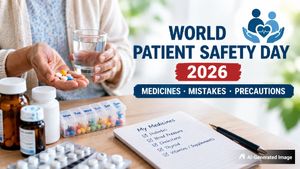 World Patient Safety Day 2026: Taking Multiple Medicines? Expert Explains How To Prevent Medication Errors
 -
 Kanya Sankranti 2026: Surya’s Virgo Transition, Rituals And Why The Day Is Spiritually Significant
 -
 Vishwakarma Puja 2026: Why Do We Worship Tools, Machines And Vehicles On This Day?
 -
 Grammy-Nominated Singer-Songwriter Alex Warren To Perform At Abu Dhabi Grand Prix 2026
 -
 How Does Insulin Work? Understanding The Hormone That Controls Blood Sugar


Multiple Genes Responsible For Asthma, Eczema And Hay Fever

Researchers of SciLifeLab at Uppsala University found that there are a total of 141 regions in our genetic material (genes) that largely say about the genetic risk related to asthma, eczema, and hay fever. Out of the 141 genes, 41 genes have not been linked to the disease before. The study was published in the journal 'Human Molecular Genetics'.

In the research, it is found that genes, lifestyle, and environmental factors can be the risk factors in the development of such diseases. Peoples who have been diagnosed with any of the mentioned diseases before may develop the other two at some point in their lives.
"The findings are helping us to reach a greater understanding of why certain individuals are at higher risk of developing asthma and allergies and we hope the results will be put to use both in clinical diagnostics and drug development," said lead author, Weronica Ek, from Uppsala University.
In the study, researchers have viewed self-reported data from around 350000 participants in Britain's UK Biobank and tested millions of gene positions that increase the risk of developing asthma, hay fever and eczema. The 41 new genes were also tested in among independent individuals consisting of 110000 clients.
The tests verified that these 41 new genes are effective in developing the risk of these diseases. Also, there are a large count of other genes identified that increase the risk of these three diseases. Meaning, if a person is diagnosed with asthma, they are at higher risk or developing an allergy and eczema or if a person is diagnosed with eczema, they are at higher risk of getting asthma and allergy, precisely due to these genetic factors.
Researchers said that asthma, hay fever, and eczema are developed due to genes' complexity and other factors like lifestyle and environment. So, to improve the life of patients, it is necessary to develop medicines that are adaptive to their genetic risks and lifestyle and environmental pattern.
"The results from this study are helping us to reach a greater understanding of why certain individuals are at higher risk of developing asthma and allergies, and we hope the results will be put to use both in clinical diagnostics and in drug development," Weronica Ek says.

 Continue with Google

