




 Click it and Unblock the Notifications


Latest Updates
-
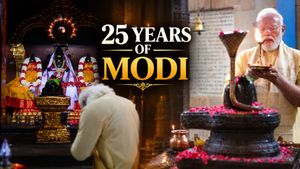 PM Narendra Modi Marks 25 Years In Government With Prayers At Delhi’s Historic Shri Vinayak Temple
 -
 Indian Air Force Day 2026: Inside The 94th Anniversary Celebrations, Theme, History And Air Displays
 -
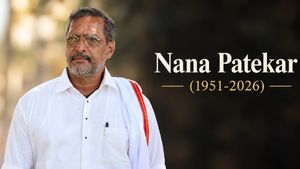 Nana Patekar Passes Away At 75: Veteran Bollywood Actor’s Last Public Appearance Video Goes Viral
 -
 Masik Shivratri October 2026: Why This Sacred Night Is Significant For Lord Shiva Devotees
 -
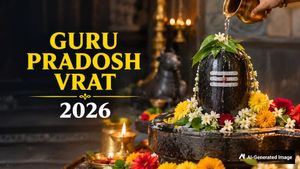 Guru Pradosh Vrat 2026: Know The Puja Timings, Fasting Rules And Shiva Worship Rituals
 -
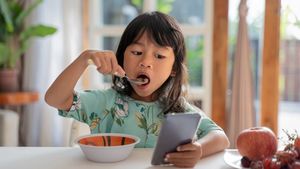 The Screen–Snack Connection: Expert Explains How Screen Time Changes Kids' Eating
 -
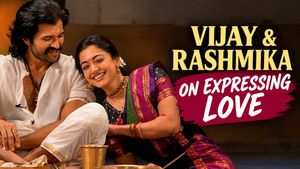 Vijay Deverakonda Says Rashmika Mandanna Tells Him ‘I Love You’ 10-15 Times A Day — A Psychologist Explains
 -
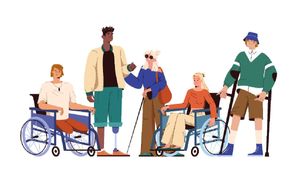 Culturally Matched NDIS Support in Melbourne: Where to Start
 -
 58-Year-Old DonnaJean Wilde's Plank Record: 4 Benefits For Women 50+
 -
 Navratri 2026: Can You Exercise While Fasting? A Doctor Says What To Keep In Mind


World Menstrual Hygiene Day 2026: Is Period Blood Dirty? Breaking 6 Menstrual Myths You Still Believe

World Menstrual Hygiene Day 2026 is observed on 28 May. It is a global awareness day focused on menstrual health, hygiene, and breaking the stigma around periods. The date itself carries meaning - 28 represents the average menstrual cycle length, while 5 represents the average number of bleeding days.

The movement began in 2014, initiated by WASH United, and has since grown into a global campaign supported by organisations working in health, education, and sanitation. The theme for World Menstrual Hygiene Day 2026 is: "Together for a #PeriodFriendlyWorld".
Myths vs Facts About Menstruation
Healthcare experts often highlight that many period-related beliefs are passed down without medical basis. Dr. Nazneen, a gynaecologist, highlights common misconceptions and the facts that help clear them.
MYTH: You should not exercise during periods
FACT: Light physical activity like walking, stretching, or yoga can help reduce cramps, improve blood flow, and lift mood.
MYTH: You should not wash your hair during periods
FACT: There is no medical restriction. Washing hair during menstruation is completely safe and does not affect health.
MYTH: You should not enter kitchens or religious places during periods
FACT: Menstruation is a natural biological process. Any restrictions on movement or participation are cultural practices, not medical guidelines.
MYTH: Period blood is "dirty blood"
FACT: Period blood is simply the shedding of the uterine lining. It is a normal bodily function and not harmful or impure.
MYTH: Pregnancy cannot happen during periods
FACT: While the chances are lower, pregnancy can still occur because sperm can survive in the reproductive tract for several days and ovulation cycles can vary.
MYTH: Tampons or menstrual cups affect virginity
FACT: Virginity is not a medical condition. Menstrual hygiene products do not define or change it in any way.
Why These Myths Still Exist
Many of these beliefs continue to circulate not because of facts, but because of silence and repetition.
- Menstruation is still not discussed openly in many households
- Cultural practices are often followed without questioning
- Menstrual education in schools is inconsistent or incomplete
- Stigma leads to hesitation, and silence allows misinformation to continue
When something is not spoken about openly, myths tend to fill the gap.
Menstrual Hygiene Day 2026: Moving Toward Clearer Conversations
Menstrual Hygiene Day 2026 is a reminder that awareness alone is not enough. What matters is how periods are discussed in everyday life - at home, in schools, and in public spaces.
Menstruation is a natural biological process, yet it continues to be shaped by myths that affect how people experience it.
Changing long-held beliefs takes time, but clarity plays a key role. When facts are shared without hesitation, misconceptions gradually lose their hold. The goal is simple: to treat menstruation as a normal part of health, not something surrounded by confusion or silence.

 Continue with Google

