




 Click it and Unblock the Notifications


Latest Updates
-
 October 2026 Horoscope: Astrologer Krishnan Sampath Reveals Health And Wellness Predictions For Zodiac Signs
 -
 India’s Young Workforce May Face Heart Risks Even With A Normal BMI, Heart Health Report 2026 Finds
 -
 Aishwarya Rai Bachchan Serves Dark Queen Glamour At L’Oréal Paris Le Défilé 2026
 -
 Pitru Paksha 2026: Does Ancestor Worship Bring Bad Luck If Rituals Aren’t Performed? Astrologer Explains
 -
 World Heart Day 2026: Think You Are Fit? Your Heart May Tell a Different Story
 -
 Dawn Phenomenon vs Somogyi Effect: What's The Difference?
 -
 Tritiya Shraddha 2026: Who Should Perform It, Rituals To Follow And Why The Day Holds Significance
 -
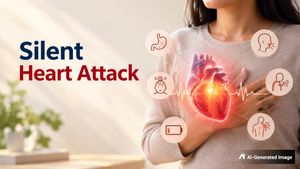 World Heart Day 2026: The Heart Attack That Doesn't Look Like a Heart Attack
 -
 Vighnaraja Sankashti Chaturthi 2026: Know The Date, Significance, Vrat Katha And Moonrise Fasting Rituals
 -
 Taylor Swift Makes VMA History: All About Her Record-Breaking Night And Striking Red Carpet Look


Smoking, Alcohol & High BMI Are Primary Risk Factors For Cancer Death: Study

According to a study published in The Lancet, smoking, alcohol consumption and a high body mass index (BMI) are the leading risk factors associated with cancer-related deaths [1].
Children and young adults consider drinking and smoking as privileges reserved for adults and therefore as 'cool' activities. There is no doubt that the portrayal of smoking and alcohol consumption in the media has contributed to the popularity of these social habits [2].
Almost everyone enjoys a drink or two, whether it is beer, wine, or spirits. Having a glass of wine or beer occasionally is acceptable and may even have some benefit for your health. On the other hand, heavy drinking and binge drinking can result in serious health problems. Likewise, tobacco products contain more than 4,000 chemical compounds and 400 toxic chemicals, including tar, carbon monoxide, DDT, arsenic, and formaldehyde. Cigarettes, in particular, are highly addictive due to their nicotine content. The number of diseases caused by smoking is plenty [3][4].

Smoking, Alcohol, High BMI And Cancer Death
There were contributions from researchers around the world to the study. Here are the major findings from the study:
- Using data from the Global Burden of Diseases, Injuries, and Risk Factors (GBD) study, the researchers assessed the role of 34 risk factors in death and ill health associated with 23 cancers [5].
- In 2019, 4.45 million or 44.4 per cent of cancer deaths worldwide were attributed to the risk factors they examined [6].
- Researchers calculated the risks using DALYs, or disability-adjusted life years, an international standard for assessing the burden of disease and GBD risk levels. According to the World Health Organization (WHO), a DALY represents the loss of one year of full health [7].
- The GBD classifies risks into four categories: Level 1 includes environmental, occupational, behavioural, and metabolic risks, while Level 2 includes air pollution, child and maternal malnutrition, and obesity. In Level 3, particulate matter pollution and stunting among children are included, and in Level 4, household air pollution from solid fuels is included.
- In 2019, tobacco was the leading Level 2 risk factor for attributable cancer DALYs in males, accounting for 33.9 per cent of all cancer DALYs in males.
- Additionally, tobacco use was the leading Level 2 risk factor for cancer in women across the globe.
- Among all male cancer DALYs in 2019, alcohol consumption, dietary risks, and air pollution were the next three most significant risk factors.
- Among women, researchers identified unsafe sex as the second leading risk factor, followed by dietary risks, a high body mass index, and high fasting blood glucose levels.
- According to the researchers, cancer remains a major public health challenge that continues to grow worldwide.

On A Final Note...
Despite other significant contributors to cancer burden varying greatly, smoking continues to be the leading risk factor for cancer worldwide. According to the Lancet study, these findings can help policymakers and researchers identify key risk factors that can be targeted to reduce cancer deaths and ill health on a regional, national and global scale.
Disclaimer: The information provided in this article is for general informational and educational purposes only and is not intended as a substitute for professional medical advice, diagnosis, or treatment. Always seek the advice of your physician or a qualified healthcare provider with any questions you may have regarding a medical condition.

 Continue with Google

