




 Click it and Unblock the Notifications


Latest Updates
-
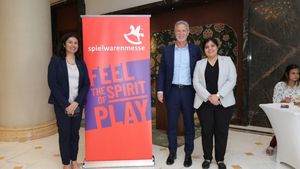 Toys For Kidults And ToyTrends: Inside The Spielwarenmesse 2027 Preview
 -
 How Do You Tell Normal Stress From Something More Serious? Expert Explains
 -
 International Coffee Day 2026: 7 Ways To Make Your Morning Coffee Healthier Without Losing Taste
 -
 Why Do People with Diabetes Feel Hungry Even After Eating?
 -
 Throwback Thursday: Before The Headlines, Govinda Was Every 90s Kid’s Favourite Bollywood Entertainer
 -
 Why Monsoon Is Not The Time To Skip Childhood Vaccinations? Expert Weighs In
 -
 Jubin Nautiyal Becomes A Father: Singer Welcomes Baby Boy On Ganesh Chaturthi, Opens Up About Fatherhood
 -
 Kriti Sanon On Patriarchy And Women’s Safety: Why Are Women Conditioned To Police Themselves And Each Other?
 -
 Karan Johar Ends Koffee With Karan: Last Season Streams 14 Oct
 -
 Emotional Permanence: Expert Explains Why Some People Need Constant Reassurance


COVID-Diet: Food Tips And List Of Foods To Eat And Avoid For COVID-19 Patients

As the number of COVID-19 cases around the world rises on a daily basis, the government and healthcare organizations in the country are overwhelmed due to the sudden spikes and mutations of the novel coronavirus.
As we all know, the food you eat plays a key aspect in determining your overall health and immunity. While we have discussed the preventive roles of proper nutrition and diet in previous articles, this article will talk about the role nutrition plays for the COVID-19 patients and those who are on the path of recovery.

COVID-Diet: Tips And Foods To Eat For Faster Recovery
When an individual gets infected by the SARS-CoV-2 virus causing the respiratory illness COVID-19, the body gets weakened, and it continues for days even after recovering from the symptoms. This essentially highlights the importance of consuming the right kind of diet for a speedy and complete recovery of the body [1][2].
Here are some important health pointers to consider:
- Consumption of antioxidants, vitamins and minerals should be encouraged. Vitamin C and vitamin D should be consumed more compared to other nutrients.
- Consume foods that would help rebuild muscle, immunity and energy levels.
- Have small amounts of dark chocolate with at least 70 per cent cocoa.
- Five servings of fruits and vegetable every day is a must.
- Eat soft foods at small intervals [3].
- If there is leftover food, treat it as medical waste and DO NOT save it for later.
- Have a balanced diet with moderate carbs and fats and proteins.
- Take oral nutrition supplements and antioxidants to meet bodily nutrition demands.
- If the patient gets diarrhoea/nausea, give veg khichdi and ginger tea.
- For post-covid fatigue, consume energy-boosting foods like banana, apples, oranges or sweet lime juice.
- For a dry cough, drink plenty of fluids, like warm water with mint or tulsi leaves.
- Avoid sugary drinks, alcohol, coffee as it leads to dehydration.
- Drink 8-10 glasses of water and hydrate yourself.
- Include spices like ginger, garlic and turmeric.
- Strictly avoid alcoholic drinks.
COVID-19: Immunity Boosting Foods For Men And Women Over 40 - Indian Ghee, Chia Seeds And More
Extra tip: As most COVID patients experience loss of smell and taste or difficulty in swallowing, adding amchoor to the food can help add a zing.
List Of Healthy Foods For COVID-Patients
The primary aim is to consume foods that would help rebuild muscle, immunity and energy levels. The following foods have been deemed safe and healthy for COVID patients and people recovering from respiratory illness [4][5].
- Protein: Chicken, fish, eggs, paneer, soya, nuts like almonds, walnuts etc. and seeds like sunflower, chia etc.
- Complex carbohydrates: Whole grains like ragi, oats or amaranth.
- Healthy fats: Walnuts, almonds, olive oil, and mustard oil.
- Dark chocolate (for anxiety, mood and immunity).
- Turmeric milk (for immunity, twice a day).

What Is The Recommended Dietary Allowance (RDA) For COVID Patients?
According to experts, the caregivers for COVID patient should start with meeting 50 per cent of the patient's nutritional requirement and proceed to 70 per cent by the 3rd day, gradually increasing to 100 per cent by the end of the week [6].
- Vitamin D: 10-1000mcg/day (oily fish such as salmon, sardines, herring and mackerel, red meat, liver, egg yolks and supplements)
- Vitamin E: 134-800mg/day (sunflower seeds, almonds, peanuts, pumpkin)
- Zinc: 30-220mg (eggs, chickpeas, lentils)
- Vitamin C: 200mg- 2gm (citrus fruit, such as oranges, peppers, strawberries, broccoli, potatoes)
- Protein: 1-1.5gm
- Fats: 25-30% of the total calories (avocados, olives, almonds, peanuts, cashews)
- Vitamin A to be consumed through diet (eggs, oily fish, fortified low-fat spreads, milk and yoghurt)
- Multivitamin, minerals & trace elements
It is important people recovering from less severe COVID-19 infections take the time to recover, rest, and eat well, which means to be conscious that adequate eating is part of their recovery, not to be overlooked [7].
Experts advise regular physical activity and breathing exercise, as per the patients' tolerance [8].
On A Final Note...
The diet mentioned above is a sample diet. It is not to be followed without proper guidance from a doctor or a nutritionist. The diet is not advisable for individuals with severe COVID-19.
Disclaimer: The information provided in this article is for general informational and educational purposes only and is not intended as a substitute for professional medical advice, diagnosis, or treatment. Always seek the advice of your physician or a qualified healthcare provider with any questions you may have regarding a medical condition.

 Continue with Google

