




 Click it and Unblock the Notifications


Latest Updates
-
 Nana Patekar’s Sudden Cardiac Arrest: Cardiologist Explains What Warning Signs People Often Miss
 -
 Throwback Thursday: Before Uday Shetty, There Was Anna — Nana Patekar’s 7 Most Iconic Screen Characters
 -
 PM Narendra Modi Marks 25 Years In Government With Prayers At Delhi’s Historic Shri Vinayak Temple
 -
 Indian Air Force Day 2026: Inside The 94th Anniversary Celebrations, Theme, History And Air Displays
 -
 Nana Patekar Passes Away At 75: Veteran Bollywood Actor’s Last Public Appearance Video Goes Viral
 -
 Masik Shivratri October 2026: Why This Sacred Night Is Significant For Lord Shiva Devotees
 -
 Guru Pradosh Vrat 2026: Know The Puja Timings, Fasting Rules And Shiva Worship Rituals
 -
 The Screen–Snack Connection: Expert Explains How Screen Time Changes Kids' Eating
 -
 Vijay Deverakonda Says Rashmika Mandanna Tells Him ‘I Love You’ 10-15 Times A Day — A Psychologist Explains
 -
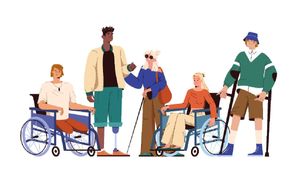 Culturally Matched NDIS Support in Melbourne: Where to Start


Food Coma: Why Do You Feel Sleepy After Eating Lunch?


Do you feel sleepy after having a large meal? Most of you would answer 'yes'. After having a filling and tasty meal, a person is said to go into a food coma. In medical terms, it is called 'postprandial somnolence'. So, what is exactly a food coma and what are the causes of it?
What Is A Food Coma?
Food coma is a condition that can happen after eating a filling meal, which makes you feel extremely tired or lethargic and can last for several hours.

After eating a large meal, you would want to hit the bed and spend the rest of the afternoon lounging. Almost everyone has gone through this, but very few of us would know that it is called a food coma.
What Are The Causes Of Food Coma?
There are a whole lot of different theories about the causes of food coma. These are some of the popular ones.
1. Foods That Contain Tryptophan
Several health experts say that the post-meal sleep is credited to the high levels of L-tryptophan. It is an amino acid found in certain dairy and meat products. When the amino acid is consumed along with carbohydrates like rice or potatoes, it boosts the production of serotonin.
Serotonin is a neurotransmitter and when it's released, you are likely to feel more relaxed and lazy. Serotonin is produced from the amino acid tryptophan, and it is converted to melatonin. This hormone helps the body prepare for sleep.
2. Eating High-fat Meals
Researchers say that eating a meal that is high in fat and low in carbohydrates can cause post-meal sleepiness. They say that a complex combination of satiety signals is sent to the sleep centres of the brain after having a large and solid meal that is high in fat. These signals reduce the hunger signals and arousal in the brain and increase sleepiness.
3. Blood Flow Shifts From Brain To Digestive Organs
Health experts say that food coma is caused by a slight shift in the blood flow away from the brain to the digestive organs.
While you are eating, your parasympathetic nervous system (PNS) gets activated. This parasympathetic nervous system is triggered when the stomach becomes full after eating a large meal. As a result, the blood flow is directed more to the working digestive organs instead of the brain.
This slight diversion may cause you to feel sleepy and tired. PNS also regulates certain functions in the body like slowing down the heart rate and regulating digestion and blood pressure.
Ways To Tackle Food Coma Or Postprandial Somnolence
1. If you feel unwell or bloated after eating, consider having a peppermint herbal tea to settle your stomach.
2. Another way to tackle food coma is by balancing your meal. Your plate should be filled with equal amounts of vegetables, protein, carbohydrates and healthy fats. Include green leafy vegetables too which are packed with fibre, essential for digestion.
3. Have a smaller meal that will keep you alert after lunch, especially when you are at the office. Keep your portion size in control.
4. After a solid meal, make yourself active by enjoying a short walk to increase blood circulation and stimulate your muscles.
Share this article!
Disclaimer: The information provided in this article is for general informational and educational purposes only and is not intended as a substitute for professional medical advice, diagnosis, or treatment. Always seek the advice of your physician or a qualified healthcare provider with any questions you may have regarding a medical condition.

 Continue with Google

