



 Click it and Unblock the Notifications



Latest Updates
-
 As ‘Ranabaali’ Hits Theatres, A Look At Rashmika Mandanna’s ₹1.31 Lakh Ivory Saree For Pre-Release Promotions
-
 Durga Puja Pandals Mumbai 2026: 7 Stunning Celebrations To Explore From Matunga To Juhu
-
 World Spine Day 2026: Is Your Phone Habit Causing Neck Pain? What To Know About Tech Neck
-
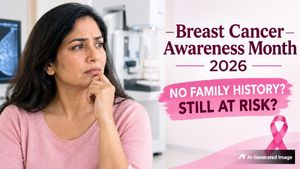 Breast Cancer Awareness Month 2026: Expert Explains Why Family History Isn't the Only Risk
-
 Skanda Sashti 2026: Significance, Vrat Rituals And How Devotees Observe The Day
-
 Saraswati Avahan 2026: Significance, Shubh Muhurat, Rituals And Puja Vidhi
-
 Navratri Day 6: Maa Katyayani Puja, Colour, Rituals, And Significance
-
 Garba Before The DJ Era: What Navratri Looked Like In Earlier Times
-
 What Does Indian Design Mean Today? A Creative Director Explains
-
 Why Your Vision Can Feel Different In Bright And Dim Rooms, Expert Explains


Who Are More At Risk Of Contracting Malaria? Read To Know More
As a part of the World Immunization Week, read to know which are the high-risk groups among humans in contracting malaria.

Approximately half of the world's population is at the risk of contracting malaria. Anybody who is bitten by the Falciparum parasite carrying the Anopheles mosquito is at the risk of contracting malaria.
It also becomes worse for people with existing health problems. Malaria is a dangerous and lethal tropical disease; and people living in the high-risk area should take proper precautions to prevent the infection.
As a part of the Wold Immunization Week, we have presented a fact sheet on who are more at risk of contracting malaria.
Malaria is a preventable infection and can affect anybody at any age. Malaria can occur despite taking anti-malarial drugs and the symptoms of this infection occur only after 9 to 14 days of a person being infected.
In this article, we'll let you know who are more at risk of contracting malaria.
The general symptoms of malaria include headache, nausea, fever, vomiting and flu-like symptoms.
The infection must be treated immediately, as the deterioration is normally sudden and the parasites can rapidly increase in the bloodstream.
Also read: Always Keep These Foods In Your House To Burn Fat & Lose Weight!
We have listed below the details on who are more at risk of contracting malaria. So, continue reading to find out.

1. Young Children:
Young children at stable transmission areas who have not yet developed protective immunity against diseases are more at risk.

2. Non-Immune Pregnant Women:
They are more at risk comparatively. Further, malaria causes high rates of miscarriage and can also lead to maternal deaths.

3. Semi-Immune Pregnant Women:
Semi-immune pregnant women in areas of high transmission are more at risk. Malaria can also lead to a low birth weight of the newborn, especially during the first and second pregnancies.

4. Semi-Immune HIV Infected Pregnant Women:
Such women in stable transmission areas can be affected during all pregnancies. Women whose placenta is infected by malaria also have a risk of passing the HIV infection to their newborn.

5. People With HIV/AIDS:
People affected by HIV/AIDS are at a higher risk of contracting malaria. This is one of the top categories of people who are at risk of contracting malaria.

6. International Travellers:
No, not all the travellers, but those from non-endemic areas are at a risk because they lack immunity. This is one of the high risk groups of people who can contract malaria.

7. Immigrants From Endemic Areas:
Immigrants from endemic areas and their children who are living in non-endemic areas are at risk. Especially when they are returning to their home countries to visit relatives. This puts them at risk due to a weak or nil immunity.

Point To Be Noted:
Though people who fall under the above categories are more at risk, young adults with a strong immune system will also not always be able to withstand this infection.


 Continue with Google


