




 Click it and Unblock the Notifications


Latest Updates
-
 Veteran Musician Deva Dies At 75: Life And Legacy Of Thenisai Thendral
 -
 Navratri Fasting Diet: How To Stay Energised And Full Through The Day
 -
 Kavya Maran Wedding In Greece? Date, Venue, and What Is Confirmed
 -
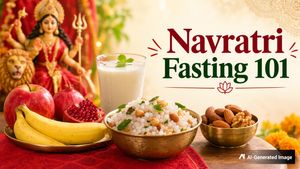 Navratri Fasting 101: What To Eat, What To Skip, And How To Avoid Acidity And Headaches
 -
 Navratri Day 7: Maa Kalaratri Puja, Colour, Rituals And Significance
 -
 Office To Dandiya Nights: One Quick-Change Outfit Formula For Navratri 2026
 -
 As ‘Ranabaali’ Hits Theatres, A Look At Rashmika Mandanna’s ₹1.31 Lakh Ivory Saree For Pre-Release Promotions
 -
 Durga Puja Pandals Mumbai 2026: 7 Stunning Celebrations To Explore From Matunga To Juhu
 -
 World Spine Day 2026: Is Your Phone Habit Causing Neck Pain? What To Know About Tech Neck
 -
 Breast Cancer Awareness Month 2026: Expert Explains Why Family History Isn't the Only Risk


Super Health Benefits of Honey During Monsoon

Honey, often referred to as the 'liquid gold' has been known to mankind since the ancient times. Due to the numerous health benefits that come along with honey, it was also considered as one of the chief ingredients in Ayurvedic medication.
Of late, it is also being recommended in certain modern medications too. More so during the monsoon season, honey is considered as a must-have ingredient.
Due to the transition in weather and the rains, most people are susceptible for viral infections, especially those whose immunity levels are low.
Also Check: Health Benefits Of Honey and Lemon Juice
Children and elderly, whose immunity levels remain low when compared to the adults, are among the worst hit by these viral infections with the onset of monsoon.

Honey is well known for its antibacterial, antifungal and antimicrobial properties that help fight against the infection better, and it should be taken up on the must-have list during the monsoons.
It is enriched with several nutrients. It is rich in vitamins, calcium, iron and minerals that are needed to build-up the body's immunity.
Also Check: Health Benefits Of Honey And Warm Milk
This apart, honey also contains copper, zinc, iodine and is rich in glucose as well. It can be taken in combination with milk, lemon, cinnamon, pepper, etc.
Today, at Boldsky, we explain to you the super health benefits of consuming honey during the monsoon. Take a look:

1. Helps Fight Viral Cold & Cough:
Viral cold and cough are the most common infections that most of us suffer from during the monsoon season.
Honey helps provide a coating and reduces the sensitivity to the throat. The antioxidants and antimicrobial properties of honey help in providing a soothing effect from the cough and even in those who have a respiratory tract infection.
Take one tablespoon of honey, one tablespoon of lemon juice, mix it in a cup of warm water, and drink it slowly.

2. Helps Prevent Stomach Infection:
Stomach infection and food poisoning are quite common during the monsoon. For people who eat junk food regularly they are more susceptible for getting a stomach infection.
Honey is rich in probiotic or what is known as the friendly bacteria, so it helps fight the mycotoxins and food-borne pathogens. It is best to have one teaspoon of honey every day.

3. Helps Build-Up Immunity Level:
Rich in antioxidants, honey helps build-up the immune system and body's strength to fight infection.
Take a teaspoon of honey, a teaspoon of ginger syrup and lemon juice each and have it with warm water. This helps in building up the immunity level and it helps prevent various common infections during the monsoon season.

4. Helps Prevent Bacterial Infections:
Honey has antibacterial and antifungal properties. It helps fight the bacteria and germs that arise when one gets drenched in the rain, especially around the feet.
Also, it helps in guarding against several water-borne diseases like cholera, thyroid and diarrhoea, which are common during the monsoon season.
In addition to this, honey is also best used for skin care during the monsoon and also in the winter season.
Disclaimer: The information provided in this article is for general informational and educational purposes only and is not intended as a substitute for professional medical advice, diagnosis, or treatment. Always seek the advice of your physician or a qualified healthcare provider with any questions you may have regarding a medical condition.

 Continue with Google

