




 Click it and Unblock the Notifications


Latest Updates
-
 You Don't Need Surgery for Every Sinus Problem: When Is FESS Actually Necessary?
 -
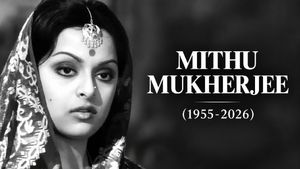 Who Was Mithu Mukherjee? Veteran Bengali Actress Passes Away At 71
 -
 Ahmedabad Police Flag Fraud Risk Behind Viral 'Rent A Garba Partner' Ads
 -
 Vidya Balan’s Jailer 2 Entry As Kantha: From Silk To Manjulika, A Look At Her Unconventional Roles
 -
 Samay Raina Has Now Denied Dating Rumours With Two Women In Three Months
 -
 Kareena Kapoor Turns 46: From Size Zero To Fine Lines, The ‘Daayra’ Actress Is Choosing To Age Without Apology
 -
 The Emotional Side of Delayed Parenthood That We Don’t Talk About Enough
 -
 World Alzheimer’s Day 2026: Why Early Diagnosis Matters And What This Year’s Theme Means
 -
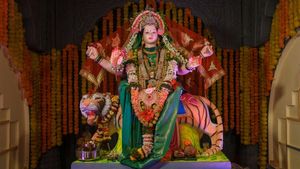 When Is Navratri In 2026? Full Dates, Rituals, Colours, Significance, and Fasting Guide
 -
 Vijay Sethupathi Confirms Maharaja 2, Hollywood Remake In The Works


Chhath Puja 2020: Rituals And Benefits Of This Festival

Chhath Puja is one of the most powerful and strict Hindu festivals. It is most commonly celebrated in the River Ganges, homes and at the Sun Temple Dev in Aurangabad, the Sun Temple of Bar gaon to name a few. Immense faith in Chhath Puja has made it a popular Hindu festival. Apart from Bihar, it's also observed in UP, some parts of West Bengal, Orissa, Assam, the Tarai of Nepal, and even Mauritius, and northern parts of India. This year the festival will begin on 18 November and continue till 21 November.
Chhath Puja is celebrated in order to express one's gratitude to Sun God, the supreme source of relative light. It falls on the sixth day after Diwali, in the month of Karthik (November-December). Hence its name Chhath (meaning the number six in Hindi) and 'hath' refers to Hath Yog (austerities). The term Chhath also refers to consciously making an attempt to obtain solar energy through six stages involved in the methods of Hath Yog.

Chhath Puja is a 4-day festival where devotees fast without water for more than 24 hours and worship the Sun. There are many rituals that are followed in these 4 days. The Chhath Puja rituals commence with Nahakka which means bathing and eating. Devotees take a dip in the holy Ganges river and take only one meal.
Second Chhath Puja ritual is Kharna. It is observed one day before the Chhath and devotees fast all day till sunset. The worship of the Earth and offer food to friends and relatives. This ritual also starts the beginning of 36 hour long fast (without water).
The third ritual is Chhath Sanjhiya Arghya where devotees visit the riverbanks early in the evening. Kosi is the ritual where an earthen lamp (diya) is lit in between 5 sugarcane sticks. These sticks represent Panchatattva (5 elements of the human body) and the lamp represents Surya (Sun) God.
Paarun is the fourth day of the Chhath Puja in which the devotees go the riverbank of Ganges in the wee hours (before sunrise). Bihaniya Aragh is the ritual where they offer and end the fast.
The prasad of Chhath Puja is very precious. From beggars to millionaires, all beg for the chhath prasad. This symbolises that we all are beggars in front of the Almighty.
There are many benefits of Chhath Puja. It is believed that exposure to solar radiations of certain wavelengths in the human body. Chhath Puja also enhances the cosmic solar energy infusion.
The solar energy improves blood flow in the body (Raktavardhak). Moreover, fasting helps to detox the system.
This is some information about the famous and powerful Chhath Puja of the Sun God. Have you observed this Hindu festival?

 Continue with Google

