



 Click it and Unblock the Notifications



Latest Updates
-
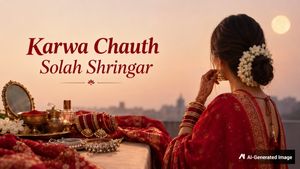 Karwa Chauth Solah Shringar: The Significance Of The 16 Traditional Adornments
-
 Weight-Loss Injections Are Not a Quick Fix: The Hidden Risks of GLP-1 Drugs
-
 When Two Epilepsy Medicines Fail, What Should Families Do Next?
-
 Delhi-NCR Under GRAP 1: The Curbs, the Bans and the Rules to Know
-
 Sepsis Can Look Like ‘Just a Bad Infection’: Expert Lists Warning Signs Families Need to Know
-
 Amitabh Bachchan Social Media Break: Doctors Ask Big B To Rest
-
 Throwback Thursday: Yash Chopra’s Heroines And The Fashion That Defined Bollywood Romance
-
 Deepika Padukone Wears ₹90,000 Gold Kurta Set As Ranveer Singh, Daughter Dua Twin For Baby Devi’s Name Reveal
-
 Women, Menopause And Bone Health: Doctor Explains Why Osteoporosis Risk Rises After 40
-
 Can Breast Cancer Be Detected Before Symptoms Appear? A Doctor Explains The Role Of Screening


Mangala Gowri Vratha And Pooja Vidhanam


For the first year, the newly married women perform the poojas in their mother's house as they would be staying their for ashada maasa and then continue in their husband's house for the next five years.
Rituals Associated With Gowri Habba
The vrata is mentioned in the holy books called Bhavishyoththara Purana of the hindu religion and is followed in the southern states of India. The vrata vidhan varies from region to region but the belief is the same. By the end of the mangala gowri vrata, the women need to gift their mother with a vessel of dhaanyaa (pooja items) and seek the blessings and good wishes.
The reason why young women perform mangala gowri pooja is to be "Sumanagali" and "Soubhagyavati" (meaning: remain safe from the curse of widowhood). The poojas are also done to get good "santan" (meaning: children).
The Mangala Gowri Pooja Vidhanam Is Mentioned Below:
Pooja Items:
1. 5 silk blouse pieces (with borders)
2. Shiva Parvati vigrahas (idols) and ganesha vigraha
3. 2 Pots for kalash
4. Fruits for naivedhyam
5. Payasam for naivedhyam
6. Flowers, betel leaves and nuts
7. Kumkum, saffron, turmeric, akshata (rice mixed with these colors)
8. A Mantap
9. Shiva Parvati photo for background
10. wheat flour
11. 4 deepas (for aarti)
12. A kitchen spatula
13. camphor and incense sticks for aarti
14. Bangles, mangal sutra, mirror, kajal (alankara items), coconut (thambula)
15. 16 Thambittu (A sweet made of wheat flour (dry fried), jaggery, grated coconut, cardamom and ghee)
(note: Thambittu is made into deepas (diyas) and lit by then end of pooja)
16. Ghee
17. 2 Gejje Vastra (vastra for gowri and ganesh)
18. Pancha amruth (ghee, milk, curd, honey, sugar) in separate bowls for abhishekam.
17 Some even make gowri with turmeric so even that can be used as the idols.
Arrangement:
1. On the mantap, arrange the shiva parvati photo in the background and place the kalash (filled with turmeric water and two betel leaves) in the front.
2. Place the shiva parvati and ganesh idols at front. (shiva parvati together) and ganesh towards right.
3. Place the 5 blouse pieces at the sides of the mantap. Arrange the deepas on the left and right.
4. Place the other kalash filled with wheat flour and dry nuts towards your left, with thambula and alankar items.
5. Arrange all the other items in separate plates.
Mangala Gowri Pooja Procedure:
1. Start with the ganesha pooja and then continue with the kalasha pooja.
2. Start with the nirajanam (abhishekam with water) followed by panchamruta abhishekam and then offer the vastram.
3. Present god with the alankar items and thamboolam.
4. Lite incense sticks and do naivedhyam.
5. Continue with mangala aarti and end the pooja with the goddess mangala gowri story.
6. While reading the story, lite the thambittu deepams and heat the ghee soaked spatula placing it on the 16 deepas. The kajal that forms on the spatula need to be applied to the eyes.
7. Seek the blessings of the goddess and offer thambulam to elder women.

 Continue with Google


