



 Click it and Unblock the Notifications



Latest Updates
-
 Durga Puja Pandals Mumbai 2026: 7 Stunning Celebrations To Explore From Matunga To Juhu
-
 World Spine Day 2026: Is Your Phone Habit Causing Neck Pain? What To Know About Tech Neck
-
 Breast Cancer Awareness Month 2026: Expert Explains Why Family History Isn't the Only Risk
-
 Skanda Sashti 2026: Significance, Vrat Rituals And How Devotees Observe The Day
-
 Saraswati Avahan 2026: Significance, Shubh Muhurat, Rituals And Puja Vidhi
-
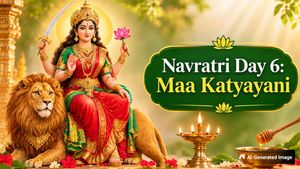 Navratri Day 6: Maa Katyayani Puja, Colour, Rituals, And Significance
-
 Garba Before The DJ Era: What Navratri Looked Like In Earlier Times
-
 What Does Indian Design Mean Today? A Creative Director Explains
-
 Why Your Vision Can Feel Different In Bright And Dim Rooms, Expert Explains
-
 Pandal Hopping In Bengaluru 2026: 7 Durga Puja Venues Worth Your Time


Aja Ekadashi 2026: 6th Or 7th September? Know The Correct Date, Vrat Katha, Tithi And Rituals

For Aja Ekadashi 2026 many might be confused over whether the auspicious fasting day falls on September 6 or September 7. The reason is that the Ekadashi tithi begins on September 6 but continues into the following day. According to Panchang calculations, Aja Ekadashi vrat will be observed on Monday, September 7, 2026. The Ekadashi tithi begins on the evening of September 6 and ends on September 7.
Aja Ekadashi 2026: Is It On September 6 Or 7?
Aja Ekadashi 2026 will be observed on September 7.
The Ekadashi tithi begins at approximately 7:29 PM on September 6, 2026, and ends at around 5:03-5:04 PM on September 7, with exact timings varying slightly according to location and Panchang calculations.

This means September 6 is the beginning of the Ekadashi tithi, while September 7 is the fasting day for devotees observing Aja Ekadashi.
The distinction is important because Hindu festivals and vrat dates are determined by lunar tithis and their presence at sunrise, rather than simply by the date on which a tithi begins.
What Is Aja Ekadashi?
Aja Ekadashi is one of the important Ekadashi observances dedicated to Lord Vishnu. In the North Indian Purnimanta calendar, it falls during the Krishna Paksha of Bhadrapada. In Amanta calendar traditions, the same period is associated with the Krishna Paksha of Shravana.
Aja Ekadashi is also known as Annada Ekadashi in some traditions.
Devotees observe the day through fasting, prayer, Vishnu worship and spiritual practices. Traditional beliefs associate the vrat with purification, overcoming difficulties and seeking divine blessings.
What Does Aja Mean?
The Sanskrit word "Aja" means "unborn" and is used as an epithet for the eternal divine, including Lord Vishnu. The name reflects the belief in the divine as being beyond the cycle of birth and death.
Aja Ekadashi Vrat Katha: The Story Of King Harishchandra
The traditional story associated with Aja Ekadashi centres on King Harishchandra, who is revered for his unwavering commitment to truth and dharma.
According to the Vrat Katha, Harishchandra faces tremendous hardship and loses his kingdom and family. Despite his circumstances, he refuses to abandon the path of truth.
After undergoing severe difficulties, he observes Aja Ekadashi with devotion. The story describes how his suffering eventually comes to an end and his lost fortunes are restored.
The tale makes Aja Ekadashi particularly significant as an observance associated with truth, perseverance, faith and devotion.
How Is Aja Ekadashi Vrat Observed?
Devotees may begin the day with a bath and take a sankalp, or religious resolution, to observe the vrat. Lord Vishnu is then worshipped with prayers and traditional offerings.
Common practices include:
- Offering flowers and fruits to Lord Vishnu
- Offering Tulsi leaves
- Lighting a diya
- Chanting Vishnu mantras
- Reciting or listening to Vishnu Sahasranama
- Reading the Aja Ekadashi Vrat Katha
- Spending time in prayer or meditation
- Observing a fast according to one's ability and tradition
Fasting practices can differ between families and religious traditions. Some devotees observe a strict fast, while others consume fruits, milk, nuts or permitted vrat foods.
What Can You Eat During Aja Ekadashi?
Those observing a food-based vrat commonly avoid grains and cereals, including rice and wheat. Pulses and beans are also generally avoided.
Depending on the fasting tradition, devotees may consume foods such as fruits, milk, nuts, potatoes, sabudana and other foods considered suitable for vrat.
However, fasting rules are not identical across all Hindu traditions. People who are elderly, unwell, pregnant or taking medication should not undertake a restrictive fast without appropriate medical advice.
When Is Aja Ekadashi Parana 2026?
The Aja Ekadashi fast is traditionally broken on Dwadashi, the day after Ekadashi, during the prescribed Parana period.
For example, Drik Panchang gives a Parana window of approximately 6:02 AM to 8:33 AM on September 8 for New Delhi. The exact Parana period can vary depending on the location, sunrise and local Panchang calculations.
Therefore, devotees should check the Parana timing for their own city rather than relying on one nationwide timing.
Aja Ekadashi 2026: The Date To Remember
So, is Aja Ekadashi on September 6 or September 7?
The answer is September 7, 2026 for the vrat. While the Ekadashi tithi begins on September 6 at around 7:29 PM, it continues into September 7 and is present at sunrise that day.
For devotees observing Aja Ekadashi in 2026, Monday, September 7 is the key date for the fast, while September 8 is the Dwadashi day for Parana.

 Continue with Google


