




 Click it and Unblock the Notifications


Latest Updates
-
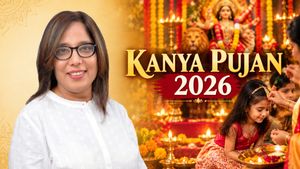 Kanya Pujan During Navratri 2026: Astrologer Gauri Jain On Significance, Rituals And Dussehra Traditions
 -
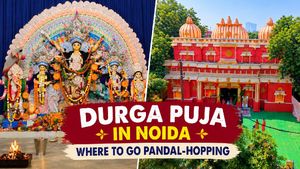 Durga Puja Pandals In Noida 2026: 7 Best Spots to Visit, From Grand Themes to Community Celebrations
 -
 ‘Breaking Bad’ Actor RJ Mitte Passes Away At 34: ‘Finite Amount Of Time’ Words From Final Interview Resurface
 -
 Who Was Madhu Kambikar? Marathi Actress Who Took Lavani To Wider Audiences Passes Away At 73
 -
 International Day for Disaster Risk Reduction 2026: Why Disaster Preparedness Must Begin At Home
 -
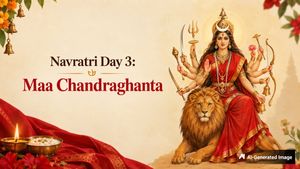 Navratri Day 3: Maa Chandraghanta, Puja, Rituals, Colour, Significance, And Things To Do
 -
 World Thrombosis Day 2026: Understanding Blood Clot Risks In Women And Their Warning Signs
 -
 Anoushka Shankar Brings Her Global Musical Identity To Zoya’s Spice-Inspired High Jewellery Campaign
 -
 Can A Healthy 25-Year-Old Get Lymphoma? Here Is What To Know
 -
 Navratri 2026 Outfit Ideas To Stay Stylish And Special Throughout The Nine Days Of Festivities


Jammu & Kashmir No Longer A Separate Constitution: The State Before And After Article 370

Within fifty days of its second term, the Modi government made a substantial decision - a decision that decided the future and fate of Jammu and Kashmir. On 5 August Monday, the Indian government removed the special status provision of Jammu and Kashmir under Article 370, revoking the 1954 Presidential proclamation.

Announcing the revoking of Article 370, Home Minister Amit Shah stated that northernmost state will no longer have any special status and will be treated with the status of any other state in the country.
The revocation order scratched the Article 35A, which gave the right to the state's legislature to define 'permanent residents' of the state and provide special rights and privileges to those citizens alone. This was issued by the President of India on 14 May 1954.
The state will no longer have a flag of its own and will be considered a part of the country and not a separate entity. Apart from that, the country will be downsized to a Union Territory with the legislature.
Scroll down to get a glimpse of the changes that will come across the state after the scrapping of article 370.

"If I have to think from a positive perspective, the one major benefit of scrapping article 370 is that it will pave way for developments. That is, due to the previous restrictions on buying property in the state, companies and even people were not allowed to buy any land unless they were a citizen. And this halted the economic development of the state in a big way", asserted Monika Khajuria, a Jammu citizen.
Miss Khajuria continued, "So, with the scrapping of the article, I hope organisations and people will be encouraged to contribute to the state monetarily, thereby hopefully improving the economic status".

 Continue with Google

