




 Click it and Unblock the Notifications


Latest Updates
-
 Deepika Padukone Wears ₹90,000 Gold Kurta Set As Ranveer Singh, Daughter Dua Twin For Baby Devi’s Name Reveal
 -
 Women, Menopause And Bone Health: Doctor Explains Why Osteoporosis Risk Rises After 40
 -
 Can Breast Cancer Be Detected Before Symptoms Appear? A Doctor Explains The Role Of Screening
 -
 Papankusha Ekadashi 2026: October 21 Or 22? Know The Correct Date, Tithi And Significance
 -
 OTT Releases This Week (October 19–25): New Movies And Series On Netflix, Prime Video, JioHotstar And Zee5
 -
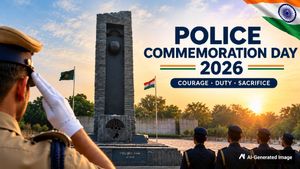 Police Commemoration Day 2026: Know The History, Significance And Programmes Planned Across India This Year
 -
 Deepika Padukone And Ranveer Singh Announce Second Daughter’s Name On Dussehra, Share Family Photo
 -
 Who Was Karthik Sabesh? Tamil Actor Passes Away At 37, Days After Uncle And Composer Deva’s Death
 -
 Who Is Ravleen Varghese? Meet The First Malayali Model To Walk The Victoria’s Secret Runway
 -
 World Osteoporosis Day 2026: A Minor Fall, A Major Fracture — Doctor On Why Older Adults Should Be Careful


Exercise Keeps The Heart Healthy

Researchers from McMaster University have found that short bursts of high intensity sprints, known to benefit muscle and improve exercise performance, also have a beneficial effect on the heart.
Led by kinesiology doctoral student Mark Rakobowchuk, the study showed that this brief, intense exercise can improve the function and structure of blood vessels, in particular arteries that deliver blood to our muscles and heart.
The team said that the findings support the idea that people can exercise using brief, high-intensity forms of exercise and reap the same benefits to cardiovascular health that can be derived from traditional, long-duration and moderately intense exercise.
"As we age, the arteries become stiffer and tend to lose their ability to dilate, and these effects contribute to high blood pressure and cardiovascular disease," said Maureen MacDonald, academic advisor and an associate professor in the Department of Kinesiology.
"More detrimental is the effect that blood vessel stiffening has on the heart, which has to circulate blood".
The research compared individuals who completed interval training using 30-second "all-out" sprints three days a week to a group who completed between 40 and 60 minutes of moderate-intensity cycling five days a week.
It found that six weeks of intense sprint interval exercise training improves the structure and function of arteries as much as traditional and longer endurance exercise with larger time commitment.
"More and more, professional organizations are recommending interval training during rehabilitation from diseases like chronic obstructive pulmonary disease, peripheral artery disease and cardiovascular disease. Our research certainly provides evidence that this type of exercise training is as effective as traditional moderate intensity training," said MacDonald.
"We wouldn't be surprised to see more rehabilitation programs adopt this method of training since it is often better tolerated in diseased populations".
Moreover, the research also showed that those who have a hard time scheduling exercise into their life could still benefit from the positive effects, if they are willing to work hard for brief periods of time.
The study is published online in the journal American Journal of Physiology. Regulatory, Integrative & Comparative Physiology.
Disclaimer: The information provided in this article is for general informational and educational purposes only and is not intended as a substitute for professional medical advice, diagnosis, or treatment. Always seek the advice of your physician or a qualified healthcare provider with any questions you may have regarding a medical condition.

 Continue with Google

