




 Click it and Unblock the Notifications


Latest Updates
-
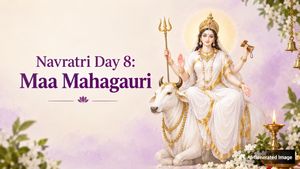 Navratri Day 8: Maa Mahagauri Puja, Colour, Rituals And Significance
 -
 Dussehra 2026: The Difference Between Vijayadashami And Ravana Dahan
 -
 Veteran Musician Deva Dies At 75: Life And Legacy Of Thenisai Thendral
 -
 Navratri Fasting Diet: How To Stay Energised And Full Through The Day
 -
 Kavya Maran Wedding In Greece? Date, Venue, and What Is Confirmed
 -
 Navratri Fasting 101: What To Eat, What To Skip, And How To Avoid Acidity And Headaches
 -
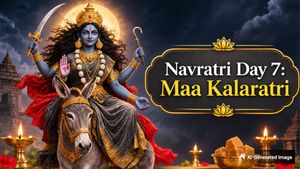 Navratri Day 7: Maa Kalaratri Puja, Colour, Rituals And Significance
 -
 Office To Dandiya Nights: One Quick-Change Outfit Formula For Navratri 2026
 -
 As ‘Ranabaali’ Hits Theatres, A Look At Rashmika Mandanna’s ₹1.31 Lakh Ivory Saree For Pre-Release Promotions
 -
 Durga Puja Pandals Mumbai 2026: 7 Stunning Celebrations To Explore From Matunga To Juhu


8 Workouts That Should Be a Part of Everyone’s Lifestyle for Longevity

Longevity is no longer simply about adding more years to one's life; it is about adding life to those years. As lifestyles become more sedentary and stress levels continue to rise, physical activity has shifted from being an optional fitness goal to a non-negotiable part of healthy ageing.
We spoke to Kushal Pal Singh, Fitness and Performance Expert, Anytime Fitness India, who listed workouts that should be a part of everyone's lifestyle to promote longevity and long-term well-being.

"Studies have consistently found that individuals who engage in regular physical activity not only have better heart health but also stronger bones, improved brain function, and greater independence in old age. The key is not an intense training regime, but rather well-balanced, functional exercises that help the body perform at its best over time," explained Singh.
8 Workouts To Promote Lifestyle for Longevity
1. Strength Training

With increasing age, the loss of lean body mass leads to a drop in capacity, poor posture and a heightened risk of injuries. "Strength training is primarily beneficial for the retention of muscles, which eventually leads to an increase in bone density and the general health of joints, in addition to everyday physical activities," said Singh. Using simple exercises like squats, push-ups, resistance band exercises, or weight training 2 or 3 times a week can quite effectively help you prevent muscle loss due to ageing and, at the same time, increase your overall level of functioning.
2. Walking
Walking can be one of the best exercises for longevity. There are various benefits that a person can enjoy by walking for some time each day. "The advantages include stimulating the heart, improving blood circulation, controlling blood sugar, and overcoming stress. One can greatly lower the risk of heart disease by taking regular walks for about 30-45 minutes," added Singh.
3. Mobility and Stretching Exercises

This helps ensure that the joints have a full range of motion and that the muscles can move freely as the body ages. This can be achieved by doing mobility exercises every day, ideally for about 10-15 minutes.
4. Balance Training
Balance tends to decline with age, increasing the risk of falls and injuries. "Simple balance exercises involving single-legged stance, heel-to-toe walking, or balance exercises will improve the balancing capabilities. Balance helps remain independent and confident while moving, particularly during old age," advised Singh.
5. Cardiovascular Training
Having a healthy heart plays a crucial role in living a long life. Some exercises that can help strengthen the heart and lungs include cycling, swimming, jogging, and elliptical training. Cardiovascular exercise improves heart and lung function, leading to increased endurance and lower cholesterol levels.
In total, at least 150 minutes per week is the minimum recommended time to spend on these exercises.
6. Yoga

"Yoga is often one of the first things that comes to mind when it comes to living a longer, healthier life, as it improves flexibility, strength, balance, and mindfulness all at once. It is highly beneficial for joint health, helps lower stress hormone levels, improves breathing, and supports clearer thinking," explained Singh.
Beyond that, yoga also helps you become more aware of your body, which is one of the most important aspects of maintaining health in later stages of life.
7. Functional Training
One of the key features of functional training is that it focuses on exercises that mimic everyday movements, such as lifting, bending, pushing, and pulling.
Exercises like lunges, deadlifts, kettlebell carries, and core rotations not only build strength but also improve coordination, both of which are essential for daily activities.
The primary benefit of functional training is that it helps individuals maintain independence throughout life while also reducing the risk of physical injury.
8. Low-Impact Recovery Workouts
Recovery exercises such as swimming, Pilates, or gentle cycling help keep the body active without putting stress on the joints. These exercises improve circulation, relax muscles, and support consistency in fitness routines, all of which contribute to longevity.
Bottomline
Singh concluded, "Fitness for longevity does not mean radically changing your body. It's about keeping your body strong and improving your balance and cardiovascular endurance. Rather than treating workouts as a trend, turning fitness into a lifestyle allows you to look forward to not just more years of life, but more years of good health. When it comes to longevity, the answer is simple: keep moving, and move in the right way, with purpose, every single day."
Disclaimer: The information provided in this article is for general informational and educational purposes only and is not intended as a substitute for professional medical advice, diagnosis, or treatment. Always seek the advice of your physician or a qualified healthcare provider with any questions you may have regarding a medical condition.

 Continue with Google

