



 Click it and Unblock the Notifications



Latest Updates
-
 Diwali 2026: Chakli To Nimki, 7 Regional Savoury Snacks That Bring Traditional Indian Flavours To Your Table
-
 Filmmaker Sanjay Gupta Passes Away At 57: ‘Aatish’ To ‘Kaabil’, Look At His Three-Decade Bollywood Journey
-
 Halloween 2026: From Chudail To Yakshi, 5 Mysterious Supernatural Beings That Haunt Indian Folklore
-
 Rashtriya Ekta Diwas 2026: Significance, History And Sardar Vallabhbhai Patel's Role In Uniting India
-
 Survey Finds 68% Of Previously Married Singles Hesitate To Match With Never-Married Partners
-
 Diwali 2026: Complete Five-Day Festival Calendar, Dates, Significance And Celebrations
-
 Weight, Alcohol, Hormones: Pathologist Shares Insights On What Really Shapes A Woman’s Breast Cancer Risk
-
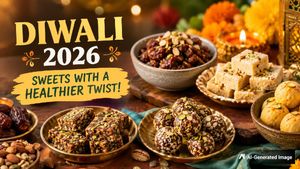 Diwali 2026: 5 Healthy Homemade Indian Sweets That Go Beyond Traditional Mithai
-
 Stroke In Young Women: Neurologist Explains Warning Signs And Hormonal Risk Factors
-
 ‘Star Trek’ And ‘X-Men’ Actor Patrick Stewart Passes Away At 86 After Dementia Battle


Lectin-free Diet: Benefits, Risks, Foods To Eat And Avoid

You might have probably heard of the keto diet, paleo diet, vegan diet, Mediterranean diet and so on. But, you may not have heard of the lectin-free diet. In this article, we will talk about what is lectin-free diet, whether you should try this diet and foods to eat and avoid.
What Are Lectins? [1][2]
Lectins are plant proteins that bind to carbohydrates found in a variety of foods such as fruits, vegetables, cereals, fish and animal products. There are many types of lectins, some are harmless and others can be harmful to human health.

What Is Lectin-Free Diet?
The lectin-free diet was developed by Dr. Steven Gundry, a former heart surgeon who is the author of the book The Plant Paradox: The Hidden Dangers in "Healthy" Foods That Cause Disease and Weight Gain. This book suggests avoiding foods high in lectins as they can cause inflammation and other digestive issues [3].
The lectin-free diet involves eliminating many healthy foods which are rich in lectins, such as legumes like beans, peas, lentils, soybeans and peanuts, dairy products, barley, quinoa, rice and nightshade veggies like tomatoes and eggplants.
So, are lectins good or bad for you? Let's read on to know the benefits and possible risks of lectins on the body.

Benefits Of Lectins
A research study has shown that the lectins found in legumes exhibit antimicrobial and antiviral activities. Plant lectins with antiviral activity against human immunodeficiency virus (HIV) and other viruses have been studied [4].
Another 2015 review study published in the journal Cell Proliferation pointed out that plant lectins may have anti-tumour properties which may further make them as potent anti-cancer drugs for future cancer therapy [5].
However, further research studies are needed in this area. There are also some risks associated with consumption of lectins.

Possible Risks Of Lectins
Consuming foods rich in lectins may lead to digestive problems in some people because some lectins may affect the gut microbiota and increase inflammation [6][7].
Studies have shown the toxicity of lectins if the foods are eaten raw or undercooked. Some lectins like ricin, which is obtained from castor beans are considered highly toxic, even if they are consumed in very small quantities [7].
Another lectin like phytohemagglutinin, which is found in high concentrations in red kidney beans can have adverse effects on the gut [7].
Lectins are heat-resistant and cooking beans above 100 degree Celsius for more than 30 minutes can destroy the lectins and make the beans safe to eat [7].
Animal studies have shown that lectins can be antinutrient, which means they can interfere with the absorption of nutrients [7].
When cooked properly, lectin-rich foods can be safe to eat. However, make sure to consume them in limited quantities.

Should You Follow The Lectin-Free Diet?
As long as the foods are cooked properly, it is generally considered safe to eat for most people [7]. However, people with underlying digestive disorders may have problems after consuming lectin-rich foods [6].
Also, foods rich in lectin are loaded with essential vitamins, minerals and antioxidants which are considered good for your health. Eliminating these foods completely from the diet may lead to nutritional deficiencies.
In addition, more research studies are needed on humans before doctors can recommend following a lectin-free diet.

Foods To Eat On A Lectin-free Diet
Foods that are low in lectin are:
• Apples
• Asparagus
• Blackberries
• Beetroot
• Artichokes
• Arugula
• Blueberries
• Broccoli
• Brussels sprouts
• Bok choy
• Cabbage
• Carrots
• Cauliflower
• Cranberries
• Kale
• Celery
• Chives
• Cherries
• Collards
• Leeks
• Mushrooms
• Lemons
• Lady finger
• Oranges
• Onions
• Pumpkin
• Radish
• Raspberries
• Sweet potatoes
• Swiss chard
• Scallions
• Chicken
• Eggs
• Beef
• Avocado
• Extra virgin olive oil

Foods To Avoid On A Lectin-Free Diet
Foods high in lectin are:
• Tomatoes
• Potatoes
• Goji berries
• Eggplant
• Peppers
• Lentils
• Beans
• Peanuts
• Chickpeas
• Peanut butter
• Peanut oil
• Dairy products
• Grains
To Conclude...
If you are planning to follow the lectin-free diet, make sure that you are getting adequate nutrients from the other foods you eat. Also, consult a dietician before you follow the lectin-free diet.

 Continue with Google


