




 Click it and Unblock the Notifications


Latest Updates
-
 Bank Strike From September 28 To 30: Why Are Bank Employees Striking And Which Services Will Be Affected?
 -
 Kerala Faces Power Cut Crisis: What Happened And How People Are Coping With Night-Time Outages
 -
 Google Turns 28: 10 Surprising Things You Probably Never Knew About The Search Giant
 -
 World Tourism Day 2026: Significance, Theme And How India Is Redesigning Tourism With Artificial Intelligence
 -
 October 2026 Important Days And Events: Complete List Of National And International Observances
 -
 "I Look For Green Flags Now": Inside Dating's Biggest Shift In 2026
 -
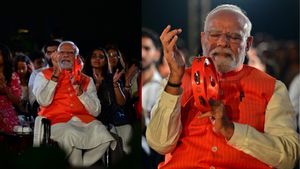 What Is Bhajan Clubbing? The Trend PM Modi Called Spectacular
 -
 Love & War First Looks: Alia Bhatt, Ranbir Kapoor and the Making of Bhansali's Next Epic
 -
 Bhadrapada Purnima 2026: What Makes This Full Moon Important Before Pitru Paksha
 -
 Pitru Paksha 2026: Do Ancestors Need Shraddha Rituals? Astrologer Ajit V Khawad Explains


Thirukkural-On Virtue-Control Of Temper-Kural 302


Illadhanin theeya pira
Even where it cannot hurt others, anger is bad;
But where it does hurt, there is nothing worse.
If a man loses his temper while dealing with his superior or equal, the exercise boomerangs and causes pain or loss of goodwill to himself; and therefore it is bad. But if he gets angry with those under his control, it hurts those others badly, in addition to creating ill-will on both sides. It is, therefore, much worse. Valluvar would say that for this reason, it is to be construed as the worst of all offences.
The idea of this Kural is that anger in every context is bad. It is, therefore, superior to the practical wisdom contained in the following line of Nanmanikadigai.
"Surukuha sellaa idathuch sinam"
(Naanmani 87)
Obviously Valluvar was master of the very best in human relations.

 Continue with Google

