




 Click it and Unblock the Notifications


Latest Updates
-
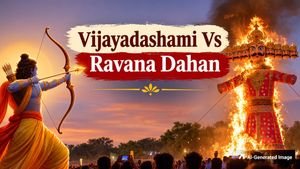 Dussehra 2026: The Difference Between Vijayadashami And Ravana Dahan
 -
 Veteran Musician Deva Dies At 75: Life And Legacy Of Thenisai Thendral
 -
 Navratri Fasting Diet: How To Stay Energised And Full Through The Day
 -
 Kavya Maran Wedding In Greece? Date, Venue, and What Is Confirmed
 -
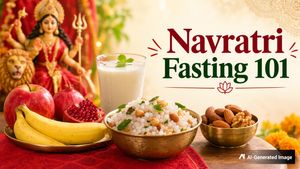 Navratri Fasting 101: What To Eat, What To Skip, And How To Avoid Acidity And Headaches
 -
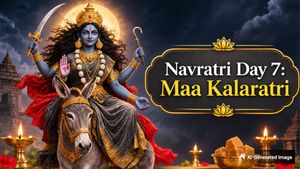 Navratri Day 7: Maa Kalaratri Puja, Colour, Rituals And Significance
 -
 Office To Dandiya Nights: One Quick-Change Outfit Formula For Navratri 2026
 -
 As ‘Ranabaali’ Hits Theatres, A Look At Rashmika Mandanna’s ₹1.31 Lakh Ivory Saree For Pre-Release Promotions
 -
 Durga Puja Pandals Mumbai 2026: 7 Stunning Celebrations To Explore From Matunga To Juhu
 -
 World Spine Day 2026: Is Your Phone Habit Causing Neck Pain? What To Know About Tech Neck


Makar Sankranti 2020: Date, Muhurta, Rituals And Significance

Makar Sankranti is one of the significant festivals in India. It marks the onset of harvest season in India and is widely celebrated throughout the country. The festival is said to have celestial importance as people believe that on this day, the Sun begins its northward journey. In other words the northern hemisphere of the earth starts tilting towards the sun thus, marking the end of winter season. This year the festival will be observed on 14 January 2021 throughout the country.

Today we are here to tell you more about this festival. In order to read more about this festival scroll down the article.
Date And Muhurta
Every year the festival of Makar Sankranti is observed in the Hindu month of Paush or Mrigashirsha. The festival is celebrated when the Sun makes a transit in the Capricorn zodiac sign. This year the festival will be observed on 14 January 2021. The Punyakal will begin at 08:30 am and will stay till 06:21 pm on the same date. The highly auspicious time will be from 08:30 am to 10:21 am.
Rituals
- On this day, people wake up early and clean their houses.
- They then take a holy bath in a river, pond or any water body. Due to the winter season, some people prefer bathing in their respective homes.
- After taking a bath, people wear new or clean clothes and worship Lord Surya (sun).
- People offer jaggery, sesame seeds, chiwda, rice and curd.
- They then chant the mantras and perform the aarti.
- After performing the puja, people distribute the offerings among their loved ones, children and needy people.
Significance
- People observe this festival as a thanksgiving to Lord Surya (Sun) for bestowing his blessings on the earth.
- People celebrate this day by taking a holy dip into the ganga river or any other religious water body.
- The festival is celebrated as Uttarayan or Vasi Uttarayan in Gujarat while Pongal is in South India. Those who belong to Bihar, Jharkhand and Uttar Pradesh refer this festival as Khichdi or Sakraat.
- People fly kites on this day and enjoy the festival along with their family members and loved ones.
- People also offer Dakshina to the needy and those who are poor.
- On this day, people in some parts of the country eat Dahi and Chiwda along with sweets prepared using puffed rice, sesame seeds, peanuts and jaggery.
- They also eat Khichdi or Pongal which is prepared using rice, lentils and some veggies.
- Hindus believe that on this day Lord Surya visits His son Shani, the ruling Lord of Capricorn. Since the father-son duo never had a good relationship, the visit symbolises a healthy relationship despite the difference.

 Continue with Google

