



 Click it and Unblock the Notifications



Latest Updates
-
 Diwali 2026: Chakli To Nimki, 7 Regional Savoury Snacks That Bring Traditional Indian Flavours To Your Table
-
 Filmmaker Sanjay Gupta Passes Away At 57: ‘Aatish’ To ‘Kaabil’, Look At His Three-Decade Bollywood Journey
-
 Halloween 2026: From Chudail To Yakshi, 5 Mysterious Supernatural Beings That Haunt Indian Folklore
-
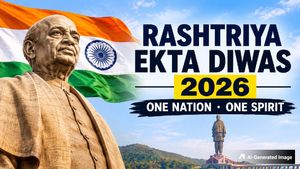 Rashtriya Ekta Diwas 2026: Significance, History And Sardar Vallabhbhai Patel's Role In Uniting India
-
 Survey Finds 68% Of Previously Married Singles Hesitate To Match With Never-Married Partners
-
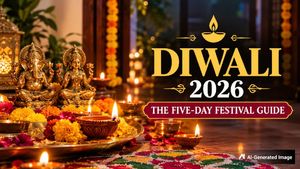 Diwali 2026: Complete Five-Day Festival Calendar, Dates, Significance And Celebrations
-
 Weight, Alcohol, Hormones: Pathologist Shares Insights On What Really Shapes A Woman’s Breast Cancer Risk
-
 Diwali 2026: 5 Healthy Homemade Indian Sweets That Go Beyond Traditional Mithai
-
 Stroke In Young Women: Neurologist Explains Warning Signs And Hormonal Risk Factors
-
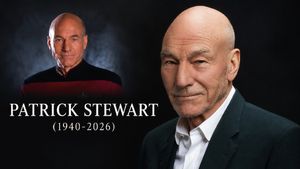 ‘Star Trek’ And ‘X-Men’ Actor Patrick Stewart Passes Away At 86 After Dementia Battle


Christmas 2019: Know The History Behind Christmas Carols

"And suddenly there was with the angel, a multitude of the heavenly host praising God, and saying, Glory to God in the highest, and on earth peace, goodwill toward men." (Luke 2:13-14). It is said that the birth of Jesus was celebrated with music.

Jesus, the messiah, was born on Christmas Day and his birth was celebrated with songs. It was then a custom to celebrate special days with carols. Carols, the word refers to a song of praise and joy. Carols were sung to celebrate the beauty of every season, but the tradition of singing them on a winter solstice was the only that could actually survive over the years. A winter solstice as we know is the smallest day of the year. It falls around December 22. These songs, sung in every season, began to be known as Christmas Carols later, as when the tradition reduced to being observed only on Christmas Day, 25 December.
However, Christians from the 1st century continued the tradition of the angels; till date, people around the world go from door to door singing hymns and carols of joy related to the season. There are historical records from as early as 129 AD of songs written specifically for Christmas celebrations. These Christmas songs were primarily written in Latin and were not called Carols, but hymns.

So, What Is A Christmas Carol?
Christmas carols are also called noels. They are lyrics which are based on the theme of Christmas, and which are traditionally sung on Christmas itself. Christmas carols were first sung in Europe thousands of years ago, but these were not precisely Christmas Carols. They were Pagan songs, sung at the Winter Solstice celebrations as people danced round stone circles, as mentioned above.

Where Were The Carols Sung?
They were usually sung in homes rather than in churches! Travelling singers or Minstrels started singing these carols and the words were changed for the local people wherever they were travelling. So, over a period of time the carols which were in the Latin language were later converted to many languages as and when these carols spread across the world.

Who Sang These Christmas Carols?
Before carol singing of these songs became public and popular, there were official carol singers called 'Waits'. They were called so because they only sang on Christmas Eve. These waits were also known as waitnight or watchnights because they signified the shepherds who were watching the sheep when the angels appeared before them.

 Continue with Google


