




 Click it and Unblock the Notifications


Latest Updates
-
 Garba Before The DJ Era: What Navratri Looked Like In Earlier Times
 -
 What Does Indian Design Mean Today? A Creative Director Explains
 -
 Why Your Vision Can Feel Different In Bright And Dim Rooms, Expert Explains
 -
 Pandal Hopping In Bengaluru 2026: 7 Durga Puja Venues Worth Your Time
 -
 Navratri 2026 Fasting Food: Is Daily Sabudana Really the Best Choice?
 -
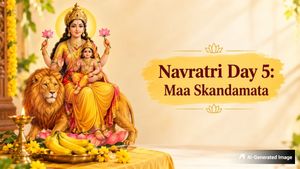 Navratri Day 5: Maa Skandamata, Puja, Rituals, Colour, SIgnificance, And Rituals
 -
 “Discharge Does Not Mean Cured”: A Rehab Specialist Explains Post-Surgery Care
 -
 Delhi Durga Puja Pandals 2026: Where To Go For Grand Themes, And Where To Escape The Crowd
 -
 Regular Periods Don’t Always Mean Everything Is Fine, Says Gynaecologist
 -
 Koffee With Karan 9: Salman Khan Opens Up About Fatherhood In Season Premiere


12 Dark And Dangerous Gods That You Should Avoid Because They Are Pure Evil

Throughout history and across cultures, tales of gods and goddesses have captivated our imaginations. While many deities are revered for their benevolence and wisdom, there are also those considered malevolent and dangerous. These dark gods are often associated with chaos, destruction, and death, and their worship is believed to bring misfortune and harm.
Through this post, let us know about 12 evil gods from various mythologies around the world, and delve into their dark deeds and the reasons why you should steer clear of them.

1. Hades (Greek Mythology): As the ruler of the underworld, Hades is often portrayed as a dark and brooding figure. He is associated with death and the afterlife, and his realm is said to be a place of shadows and despair. Those who invoke Hades risk attracting his attention and inviting darkness into their lives.
2. Loki (Norse Mythology): Loki is a trickster god known for his cunning and mischief. While he is not inherently evil, his actions often lead to chaos and strife among the gods and mortals alike. Those who associate with Loki may find themselves caught up in his schemes and facing the consequences of his trickery.
3. Set (Egyptian Mythology): Set is the god of chaos and violence in Egyptian mythology. He is often depicted as a fearsome creature with the head of an unknown animal and a body resembling that of a man. Set is associated with storms, darkness, and destruction, and his worship is believed to bring calamity and disaster.
4. Kali (Hindu Mythology): Kali is a fearsome goddess associated with destruction and death in Hindu mythology. She is often depicted with a garland of skulls and a tongue dripping with blood, symbolizing her role as a destroyer of evil forces. While Kali is also revered as a protective mother goddess, her fierce form is not to be trifled with.
5. Ahriman (Persian Mythology): Ahriman is the god of darkness and chaos in Zoroastrianism, an ancient Persian religion. He is believed to be the embodiment of all evil forces and is locked in eternal battle with the god of light, Ahura Mazda. Worship of Ahriman is thought to bring about spiritual corruption and moral decay.
6. Huitzilopochtli (Aztec Mythology): Huitzilopochtli is the Aztec god of war and the sun. He is often depicted with a weapon in hand, ready to strike down his enemies. Huitzilopochtli's worship involved human sacrifice, and his wrath was believed to bring famine, disease, and death.
7. Moloch (Canaanite Mythology): Moloch is a god mentioned in the Bible who was associated with child sacrifice. Worship of Moloch was believed to bring prosperity and protection, but at a terrible cost. The practice of sacrificing children to Moloch was condemned as barbaric and cruel.
8. Sekhmet (Egyptian Mythology): Sekhmet is a goddess of war and destruction in Egyptian mythology. She is often depicted as a lioness or with the head of a lioness, symbolizing her ferocious nature. Sekhmet's worship was believed to bring protection in battle but also carried the risk of invoking her wrath.
9. Tezcatlipoca (Aztec Mythology): Tezcatlipoca is the Aztec god of night and sorcery. He is associated with deception and trickery, and his worship was believed to bring power and wealth. However, those who crossed Tezcatlipoca risked facing his wrath and suffering dire consequences.
10. Apep (Egyptian Mythology): Apep is a god of chaos and darkness in Egyptian mythology. He is often depicted as a giant serpent who seeks to devour the sun god Ra. Apep's worship was believed to bring chaos and destruction, and his defeat each night by Ra was seen as a victory of light over darkness.
11. Eris (Greek Mythology): Eris is the goddess of discord and strife in Greek mythology. She is often portrayed as a troublemaker who delights in causing chaos and conflict among gods and mortals. Those who invoke Eris risk inviting discord and unrest into their lives.
12. Angra Mainyu (Zoroastrian Mythology): Angra Mainyu, also known as Ahriman, is the embodiment of evil in Zoroastrianism. He is believed to be the source of all darkness and chaos in the world, seeking to corrupt the creations of the god Ahura Mazda. Worship of Angra Mainyu is believed to bring about spiritual corruption and moral decay.

 Continue with Google

