




 Click it and Unblock the Notifications


Latest Updates
-
 Dussehra 2026: The Difference Between Vijayadashami And Ravana Dahan
 -
 Veteran Musician Deva Dies At 75: Life And Legacy Of Thenisai Thendral
 -
 Navratri Fasting Diet: How To Stay Energised And Full Through The Day
 -
 Kavya Maran Wedding In Greece? Date, Venue, and What Is Confirmed
 -
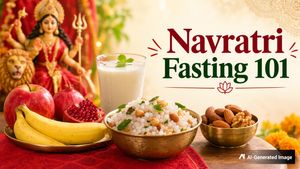 Navratri Fasting 101: What To Eat, What To Skip, And How To Avoid Acidity And Headaches
 -
 Navratri Day 7: Maa Kalaratri Puja, Colour, Rituals And Significance
 -
 Office To Dandiya Nights: One Quick-Change Outfit Formula For Navratri 2026
 -
 As ‘Ranabaali’ Hits Theatres, A Look At Rashmika Mandanna’s ₹1.31 Lakh Ivory Saree For Pre-Release Promotions
 -
 Durga Puja Pandals Mumbai 2026: 7 Stunning Celebrations To Explore From Matunga To Juhu
 -
 World Spine Day 2026: Is Your Phone Habit Causing Neck Pain? What To Know About Tech Neck


Foods To Be Avoided During Pregnancy!

A healthy, well-balanced diet is important during pregnancy. Fresh foods are safe to eat, however some food should be avoided during pregnancy.
Alcohol There is no amount of alcohol that is known to be safe during pregnancy. Prenatal exposure to alcohol can interfere with the healthy development of the baby. Alcohol can severely damage your baby . Alcohol can pass through your placenta and prevent your baby from getting much-needed oxygen and nutrients. It can increase your child's risk of developing Fetal Alcohol Syndrome, an illness that causes severe mental and physical side effects.
Undercooked Meats
Pregnancy is not a time to eat undercooked meats. Undercooked meats can carry salmonella and toxoplasmosis bacteria. These can cause uncomfortable symptoms like nausea and diarrhea. They are also associated with miscarriage and pre term birth. Heat red meats to a temperature of 170°F and pork to 160°F. Hot dogs should a be well-cooked. To be on the safe side avoid:
- undercooked chicken, pork, or red meat
- pates including chicken and veal
- deli meats
- smoked meats
- sushi
- raw seafood, especially shellfish
Raw Eggs:
During pregnancy it is important to be vigilant about raw eggs. Raw eggs carry salmonella, which can cause food poisoning. Severe diarrhea and vomiting caused by the salmonella bacteria could stress your baby and cause pre term labor. To prevent salmonella poisoning, avoid foods containing
- raw eggs including:
- ceasar salad dressing
- mayonnaise
- eggnog
- cookie batter
- homemade ice cream
- hollandaise sauce
Unpasteurized Food and Beverages Pasteurized milk go through a special cleaning process to get rid of the bacteria listeria. which can cause miscarriage. Listeria has the ability to cross the placenta and may infect the baby leading to infection . Refrigerated meat spreads should be avoided because it may contain the bacteria Listeria. Canned meat spreads can be eaten. Avoid food items:
- soft cheeses, like goat cheese, brie, and camembert
- Mexican-style cheeses, including queso fresco and queso blanco
- unpasteurized juice
- raw milk
Fish High in Mercury: Fish is an important part of a healthy pregnancy diet. They provide omega-3 fatty acids which can help build your baby's retinas, brain, and nervous system. Omega-3s reduce your chances for developing preeclampsia. Methyl mercury can cause severe neurological damage and developmental problems in your baby, so it is important to avoid fish that are high in methyl mercury. Try limiting your intake of fish to about 12 ounces a week to maintain a healthy diet . Avoid fish that are high in mercury :
- tilefish
- shark
- swordfish
- king mackerel
Fish exposed to Industrial Pollutants: Fish from contaminated lakes and rivers that may be exposed to high levels of polychlorinated biphenyl. They can cause neurological disorders and fetal development problems. Contact the Environmental Protection Agency to determine which fish are safe to eat in your area. Avoid fishes like
- blue fish
- striped bass
- salmon
- pike
- trout
- walleye.
Unwashed Vegetables: vegetables are safe to eat. it is essential to make sure they are washed to avoid potential exposure to toxoplasmosis. Toxoplasmosis may contaminate the soil where the vegetables were grown. Aspartame
Aspartame is a calorie-free sweetener used in a wide variety of soft drinks, candies and food products. The chemical food aspartame has been linked with cancer , so the use of aspartame during pregnancy is not good. Try using natural sweeteners like honey.
Caffeine: Caffeine should be limited to fewer than 300 mg per day during pregnancy. It is important that you drink plenty of water, juice, and milk . Large amounts of caffeine are associated with miscarriage, premature birth, low birth weight, and withdrawal symptoms in infants. The safest thing is not to consume caffeine.
Eating well balanced meals is important for a pregnant women.

 Continue with Google

