




 Click it and Unblock the Notifications


Latest Updates
-
 Navratri Fasting Diet: How To Stay Energised And Full Through The Day
 -
 Kavya Maran Wedding In Greece? Date, Venue, and What Is Confirmed
 -
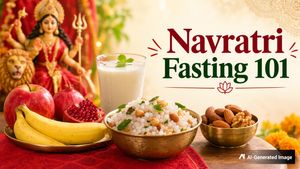 Navratri Fasting 101: What To Eat, What To Skip, And How To Avoid Acidity And Headaches
 -
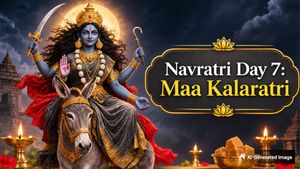 Navratri Day 7: Maa Kalaratri Puja, Colour, Rituals And Significance
 -
 Office To Dandiya Nights: One Quick-Change Outfit Formula For Navratri 2026
 -
 As ‘Ranabaali’ Hits Theatres, A Look At Rashmika Mandanna’s ₹1.31 Lakh Ivory Saree For Pre-Release Promotions
 -
 Durga Puja Pandals Mumbai 2026: 7 Stunning Celebrations To Explore From Matunga To Juhu
 -
 World Spine Day 2026: Is Your Phone Habit Causing Neck Pain? What To Know About Tech Neck
 -
 Breast Cancer Awareness Month 2026: Expert Explains Why Family History Isn't the Only Risk
 -
 Skanda Sashti 2026: Significance, Vrat Rituals And How Devotees Observe The Day


Rabankata Dance In Bishnupur On Dussehra


Rabankata dance begins on the Dussehra, the last day of Durga Puja and goes on for the next two days. Explaining the Rabankata dance practiced in dussehra, one of the artists explained, "On Dashmi (the tenth day of Durga Puja, a popular Hindu festival Kumbhkaran (Hindu mythological character) is killed. On Ekadashi (eleventh day), Meghnath (another Hindu mythological character) is killed. On Dwadashi (twelfth day) Ravana (a demon king) is killed."
The unique dance form of Rabankata, dates back to 400 years and is performed every year in this village. Each dancer wears the mask of Hanuman, Vibhishan, Sugriv and Meghnath, respective to the character they play. The mask of Ravana and Kumbkarna is placed on the dummies. On the last day arrows are shot at the dummies, depicting the death of the two demons.
These masks worn by dancers while performing Rabankata during dussehra are being used since the inception of the art form. They masks are re painted every year before dussehra. Every member of the village donates money for the occasion. The art of Rabankata is followed as a tradition in the family of the dancers and is passed on from the father to the son.
According to villagers, in the olden days, the Raja of Bishnupur, used to donate all the amount for the event but now the government does not take any responsibility for the practice of the art form.
"We are facing a lot of problem in carrying this dance form. We need help from the state government," complained Sukumar Adhikari, the head of the dance team.
This unique dance festival is on the verge of being worn out as with every passing year due to lack of monetary support.

 Continue with Google

