




 Click it and Unblock the Notifications


Latest Updates
-
 Jantar Mantar Protest On Gandhi Jayanti 2026: Why This Delhi Landmark Is A Hub For Public Demonstrations
 -
 World Smile Day 2026: 5 Ways Smiling May Benefit Your Health And Support Everyday Wellbeing
 -
 Lal Bahadur Shastri Jayanti 2026: 10 Quotes That Reflect His Ideas On Leadership, Peace And Nation-Building
 -
 Gandhi Jayanti 2026: 10 Places In India Where You Can Experience Mahatma Gandhi’s Legacy
 -
 International Day Of Non-Violence 2026: Why Was Gandhiji's Birthday Chosen For A Global Message Of Peace?
 -
 Saptami Shraddha 2026: Who Should Perform It And What Does This Pitru Paksha Ritual Mean?
 -
 Gandhi Jayanti 2026: 7 Sustainable Lifestyle Lessons We Can Still Learn From Gandhi
 -
 Who Is Captain Smit Machchhar? The Pilot Who Fought Back Mid-Air on Flydubai FZ1073
 -
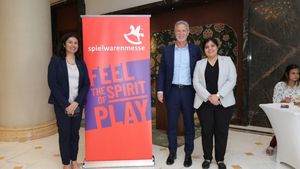 Toys For Kidults And ToyTrends: Inside The Spielwarenmesse 2027 Preview
 -
 How Do You Tell Normal Stress From Something More Serious? Expert Explains


L’Oreal’s Racial Discrimination


SOS Racisme, an anti-racist campaign group in France had filed the case against the cosmetic giant. L'Oreal used to take all-white sales staff to promote Fructis Style, a hair care product made by its beauty division. Garnier wanted to exclude members of the minorities on the ground that they would be less likely to sell its shampoos in French shops.
It all started when a Districom executive had sent a fax to its headquarters in 2000 saying that Garnier's hostesses should be aged 18 to 22, wear size 38 to 42 clothes and be BBR. BBR (Blue, Black, Red) is an expression widely recognised in the French recruitment world as the code for white French people born to white French parents. This advertisement was then in effect excluding the ethnic minorities.
There were only 4.65 per cent of the hostesses hired for Garnier's campaign was black, Asian or Arab. The court found that the policy was illegal under French employment law.The judgment is a major blow to L'Oreal's image, which spends millions of dollars on advertisements featuring -Eva Longoria, Andie MacDowell, Penelope Cruz and Claudia Schiffer.

 Continue with Google

