




 Click it and Unblock the Notifications


Latest Updates
-
 Kadhi Pakora Recipe: Your Punjabi Home Style Curry Guide
 -
 International Father’s Day: Why the Best Father's Day Gifts in 2026 Come Without a Box
 -
 Bigg Boss 20 Rumoured Contestants: Every Name Doing The Rounds Before September Launch
 -
 Pradyumna Chaturthi 2026: Significance, Tithi Timings, Puja Vidhi And The Rare Guru Pushya Yoga Alignment
 -
 Autistic Pride Day 2026: The Workplace Advantage Hidden Behind Common Autism Misconceptions
 -
 Fruit Cream Recipe: Your Creamy Dessert Breakfast Dream
 -
 Horoscope for Today June 18, 2026 - Small Choices, Powerful Progress
 -
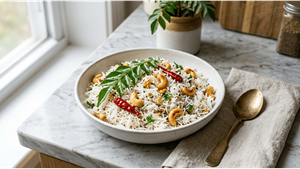 Coconut Rice Recipe: Your South Indian Comfort Meal Awaits
 -
 Sonu Nigam Is In Pain But Won't Leave The Stage — Here's What Pinched Nerves Does To Singers
 -
 Dry Fruit Laddu Recipe: Your Go-To Healthy Sweet Snack


Tips To Grow Curry Leaf Plant

Curry leaves are an inevitable part of Indian cooking where almost all dishes starts or ends with it, either for seasoning or for garnishing. Other than cooking curry leaves, theyare used as an ingredient in many Ayurvedic preparations. It is a good idea to grow curry leaves in your kitchen garden so that you can enjoy cooking with pesticide-free fresh leaves.

Curry leaf plants are fast growing deciduous shrub which grows well in temperature around 65°C or slightly above. It can be grown successfully either from the seeds or from the stem, if proper care is given. Here are some points to keep in mind if you are planning to plant a curry leaf plant in your garden.
Plant outdoors: Since curry leaves need sunlight, it is better to grow them outdoors. If you are living in an apartment, prefer any area where you can provide direct sunlight to the plant. At the same time, it is important to protect it from very high temperatures during hot summer months.
Grow from seeds: Curry leaves can be easily grown from its seeds. Ripe seeds need about 20°C to germinate. While using seeds, you should remember that it may take a little longer time for the curry leaf plant to grow.
Plant the stem: Stem cuttings are the easiest way to plant a curry leaf plant. Take some of the twigs in the semi-ripe stage which are not very hard and woody. After cutting the stem at the node, insert it to a few centimeters down into the ground or into the pot with some leaves above the surface.
Trim it regularly: It is very important to trim your curry leaf plant in order to get a fast and thick growth. Trimming will provide an ample supply of fresh and young leaves. If you leave the plant without proper trimming, it will outgrow any space easily.
Pest control: Usually pests are not a great concern when considering curry leaf plant, since the leaves are constantly being removed. It is better to go natural instead of using chemical pesticides. It is a good idea to sprinkle salt water on the leaves once in two weeks.
Watering cycles: Curry leaf plant prefers a well-drained soil to flourish well. So, it is recommended to allow the soil to dry a bit in between each watering session. Watering the curry leaf plant is important during summer when the soil will get dried up easily.
Using fertilizers: Bio-fertilizers are always preferred for the curry leaf plant. Regular application of fertilizers is more important for plants that are cultivated in pots. Remember not to give a high dose of fertilizers to young plants.

 Continue with Google