



 Click it and Unblock the Notifications



Latest Updates
-
 What Is the Astrological Significance of Chhath Puja? Explained By Astrologer Ashutosh
-
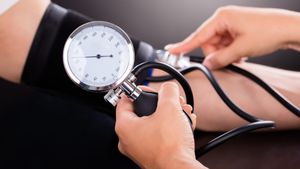 *High Blood Pressure and Heart Disease: 5 Cardiac Complications You Should Never Ignore*
-
 How to Choose the Best Adult Diapers for Comfort, Protection, and Everyday Use
-
 Naukuchiatal Travel Guide: Kumaon’s Hidden Gem for a Peaceful 3-Day Getaway from Delhi
-
 From Regional Flavours to Culinary Stories: Kahaani Celebrates India's Diverse Food Culture
-
 Chhath Puja 2026: Dates, Four-Day Rituals, Significance and Surya Arghya Timings
-
 Kavya Maran and Anirudh Ravichander Tie the Knot in Greece, Couple Shares Post
-
 Who Is Kimberly Powell? Meet Nvidia's Healthcare Chief Named in Fresh Jensen Huang Allegations
-
 5 Must-Read Books on Spirituality and Personal Growth to Start 2027 on a Positive Note
-
 Kareena Kapoor Khan's Bhopal Royal Pendant Look Sparks Debate Amid Legal Notice


Brain Stroke and Brain Haemorrhage: 8 Important Warning Signs and Preventive Steps You Should Never Ignore


Understand the causes, recognise early symptoms and learn how simple lifestyle changes and timely medical intervention can reduce the risk of a potentially life-threatening brain stroke.
A brain stroke is one of the most serious medical emergencies that can affect a person's life within minutes. Often occurring without warning, a stroke can cause permanent brain damage, physical disability and, in severe cases, even death.
To know more details regarding the same click:
https://tips24.in/category/health/
One of the major concerns is that many people fail to recognise the early symptoms or delay seeking medical assistance, losing valuable time when immediate treatment could make a significant difference.
A stroke occurs when the blood supply to a part of the brain is interrupted or when a blood vessel in the brain ruptures, causing bleeding. While some strokes occur because of blood clots, others are caused by a brain haemorrhage.
Uncontrolled high blood pressure, diabetes, smoking, obesity and unhealthy lifestyle habits are among the important risk factors associated with stroke. Understanding these risks and recognising the warning signs can help protect brain health and potentially save lives.
What Is the Difference Between Brain Stroke and Brain Haemorrhage?
A stroke generally occurs in two major forms:
1. Ischaemic Stroke (Blood Clot):
This is caused by a blockage in an artery supplying blood to the brain. The affected part of the brain receives insufficient oxygen and nutrients, resulting in damage to brain cells. Blood clots and narrowing of arteries are common causes.
2. Haemorrhagic Stroke (Brain Haemorrhage):
This occurs when a blood vessel inside the brain ruptures, causing bleeding into or around the brain. Persistently high blood pressure is an important risk factor because it can damage blood vessels over time.
Both conditions are medical emergencies and require immediate diagnosis and appropriate treatment.
7 Major Risk Factors That Can Increase the Chances of a Brain Stroke
1. Uncontrolled High Blood Pressure
High blood pressure is one of the leading modifiable risk factors for stroke. Persistent hypertension can damage and weaken blood vessels, increasing the risk of both blocked arteries and bleeding in the brain.
Regular blood pressure monitoring and appropriate medical treatment are essential for reducing this risk.
2. Diabetes and High Blood Sugar
Uncontrolled diabetes can damage blood vessels and accelerate the development of atherosclerosis. This increases the likelihood of blood circulation problems and stroke.
Maintaining healthy blood glucose levels through appropriate medication, diet and physical activity is important.
3. High Cholesterol
Excessive LDL (bad) cholesterol can contribute to plaque formation inside arteries. Over time, this can narrow blood vessels and increase the risk of blood clots that interrupt blood supply to the brain.
4. Smoking and Excessive Alcohol Consumption
Smoking damages blood vessels, increases blood pressure and contributes to blood clot formation. Excessive alcohol consumption can also raise blood pressure and increase the risk of haemorrhagic stroke.
Avoiding tobacco and limiting or avoiding alcohol can help improve overall cardiovascular health.
5. Obesity and Physical Inactivity
Excess body weight and a sedentary lifestyle can contribute to hypertension, diabetes and high cholesterol, collectively increasing stroke risk.
6. Heart Conditions and Irregular Heartbeat
Certain heart conditions, particularly atrial fibrillation, can cause blood clots to form inside the heart. These clots may travel to the brain and cause an ischaemic stroke.
7. Family History and Age
The risk of stroke generally increases with age. A family history of stroke or certain inherited medical conditions may also increase individual vulnerability.
However, stroke can occur at any age, and preventive healthcare remains important throughout adulthood.
7 Warning Signs of Brain Stroke You Should Never Ignore
Recognising the warning signs early can make a life-saving difference. Most stroke symptoms appear suddenly and should never be ignored.
Common warning signs include:
- Facial drooping: One side of the face may become numb or droop when smiling.
- Arm weakness: Sudden weakness or numbness in one arm or leg, particularly on one side of the body.
- Speech difficulties: Slurred speech, difficulty finding words or inability to understand conversations.
- Sudden vision problems: Blurred vision, double vision or loss of vision in one or both eyes.
- Loss of balance: Sudden dizziness, difficulty walking or loss of coordination.
- Severe headache: A sudden, unusually severe headache with no apparent cause, which can be a warning sign of brain haemorrhage.
- Nausea, vomiting or altered consciousness: These may occur in some serious strokes, particularly those involving bleeding in the brain.
An important point to remember is that stroke symptoms can sometimes disappear within a few minutes. This may indicate a Transient Ischaemic Attack (TIA), commonly known as a mini-stroke. Even when symptoms disappear, immediate medical assessment is necessary because a TIA can indicate a risk of a future stroke.
How Can You Recognise a Stroke Quickly? Remember BE FAST
The BE FAST method is a simple way to recognise common stroke symptoms:
- B – Balance: Sudden loss of balance or coordination.
- E – Eyes: Sudden changes in vision.
- F – Face: One side of the face droops.
- A – Arms: Weakness or numbness in one or both arms.
- S – Speech: Slurred speech or difficulty understanding words.
- T – Time: Call for emergency medical assistance immediately.
If you notice any of these symptoms in yourself or someone else, do not wait for them to disappear.
8 Practical Steps to Reduce the Risk of Brain Stroke
Although not every stroke can be prevented, adopting healthier habits and managing existing medical conditions can significantly reduce the risk.
- Keep Blood Pressure Under Control: Regularly monitor your blood pressure and follow prescribed treatment. This is particularly important for reducing the risk of brain haemorrhage.
- Control Diabetes and Cholesterol: Keep blood glucose and cholesterol levels within the targets recommended by your doctor.
- Follow a Healthy Diet: Include fruits, vegetables, whole grains, pulses and healthy fats. Reduce excessive salt, fried foods, processed foods and added sugar.
- Exercise Regularly: Aim for at least 150 minutes of moderate-intensity physical activity every week, according to your health condition.
- Avoid Smoking and Tobacco: Tobacco consumption in any form increases the risk of blood vessel damage and stroke.
- Maintain a Healthy Body Weight: Managing body weight helps reduce the risk of hypertension, diabetes and other metabolic conditions.
- Monitor Heart Health: People with irregular heartbeats or existing heart conditions should undergo appropriate medical evaluation and follow their prescribed treatment.
- Prioritise Regular Health Check-ups: Periodically assess blood pressure, blood sugar and cholesterol. Discuss individual stroke risk and preventive screening with a healthcare professional.
What Should You Do If Someone Shows Signs of a Stroke?
A suspected stroke requires immediate medical attention. Every minute matters because delayed treatment can result in permanent brain damage.
Here are some important steps:
- Call an emergency ambulance or seek immediate emergency medical assistance.
- Note the exact time when symptoms first appeared or when the person was last known to be normal.
- Do not give the person food, water or oral medication because swallowing may be impaired.
- Do not give aspirin, blood thinners or additional blood pressure medication on your own. A brain scan is needed to determine whether the stroke is caused by a clot or bleeding.
- Do not wait for symptoms to improve, even if the person appears to recover.
Doctors generally recommend urgent brain imaging, such as a CT scan or MRI, to distinguish between an ischaemic stroke and a haemorrhagic stroke. Treatment differs significantly depending on the type.
Conclusion: Recognising the Warning Signs Can Save a Life
Brain stroke and brain haemorrhage are serious medical conditions that can have life-changing consequences. However, many of the major risk factors, particularly uncontrolled blood pressure, diabetes, high cholesterol, smoking and physical inactivity, can be managed through preventive healthcare and healthier lifestyle choices.
Regular medical check-ups, timely treatment and awareness of early warning signs are essential for reducing the chances of a stroke and improving outcomes.
Most importantly, never ignore sudden facial weakness, difficulty speaking, loss of balance or an unexplained severe headache.
Remember: When it comes to brain stroke, every minute matters. Recognise the warning signs, act immediately and protect your brain health before it is too late.

 Continue with Google


