



 Click it and Unblock the Notifications



Latest Updates
-
 How to Choose the Best Adult Diapers for Comfort, Protection, and Everyday Use
-
 Naukuchiatal Travel Guide: Kumaon’s Hidden Gem for a Peaceful 3-Day Getaway from Delhi
-
 From Regional Flavours to Culinary Stories: Kahaani Celebrates India's Diverse Food Culture
-
 Chhath Puja 2026: Dates, Four-Day Rituals, Significance and Surya Arghya Timings
-
 Kavya Maran and Anirudh Ravichander Tie the Knot in Greece, Couple Shares Post
-
 Who Is Kimberly Powell? Meet Nvidia's Healthcare Chief Named in Fresh Jensen Huang Allegations
-
 5 Must-Read Books on Spirituality and Personal Growth to Start 2027 on a Positive Note
-
 Kareena Kapoor Khan's Bhopal Royal Pendant Look Sparks Debate Amid Legal Notice
-
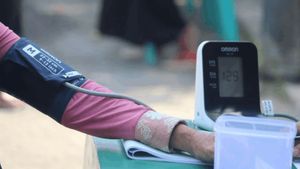 High Blood Pressure: The Silent Health Risk You Should Never Ignore
-
 OTT Releases This Week: Jailer 2, Daayra, Ranabaali, The Rings of Power Season 3 and More


*High Blood Pressure and Heart Disease: 5 Cardiac Complications You Should Never Ignore*


How uncontrolled hypertension silently damages your heart, increases the risk of heart attacks and heart failure, and what you can do to protect your cardiac health.
High blood pressure, also known as hypertension, is often called a silent health condition because it may not produce noticeable symptoms for years. However, even when a person feels healthy, persistently elevated blood pressure can gradually damage blood vessels and put additional strain on the heart.
When blood pressure remains uncontrolled, the heart has to work harder to pump blood throughout the body. Over time, this increased workload can weaken or thicken the heart muscle, damage arteries and increase the risk of serious cardiovascular complications.
Understanding the connection between high blood pressure and heart disease is essential for protecting long-term heart health.
How Does High Blood Pressure Affect the Heart?
Under normal circumstances, blood flows through the arteries with relatively little resistance. However, when blood pressure remains consistently high, the heart needs to exert greater force to circulate blood.
This continuous pressure can damage artery walls, encourage the accumulation of fatty deposits and cause changes in the structure of the heart muscle. Gradually, these changes can affect the heart's ability to pump and receive blood efficiently.
5 Major Cardiac Diseases Associated With High Blood Pressure
1. Coronary Artery Disease
Prolonged high blood pressure can damage the inner lining of arteries and contribute to the accumulation of cholesterol and fatty deposits. This process, known as atherosclerosis, gradually narrows the coronary arteries that supply blood to the heart.
Reduced blood flow can cause chest discomfort, breathlessness and fatigue. In severe cases, coronary artery disease can lead to a heart attack.
2. Heart Attack
Uncontrolled hypertension increases the risk of damage to the arteries and the development of atherosclerosis. If a blood clot blocks a coronary artery, the supply of oxygen to part of the heart muscle may be interrupted, resulting in a heart attack.
Warning signs include chest pain or pressure, breathlessness, cold sweating, nausea and discomfort spreading towards the arms, neck, jaw or back.
A suspected heart attack requires immediate emergency medical attention.
3. Left Ventricular Hypertrophy
Left Ventricular Hypertrophy (LVH) occurs when the muscular wall of the heart's main pumping chamber becomes thicker.
When blood pressure remains high, the left ventricle must work harder to pump blood. Over time, this additional workload can cause the heart muscle to thicken and become stiff, affecting its ability to fill and pump blood efficiently.
Symptoms may include breathlessness, chest discomfort, fatigue and dizziness. If left untreated, LVH can increase the risk of heart failure and other cardiovascular complications.
4. Heart Failure
Long-term uncontrolled hypertension can gradually weaken or stiffen the heart muscle, reducing its ability to pump blood effectively.
People with heart failure may experience breathlessness, swelling in the feet and ankles, persistent fatigue and difficulty breathing while lying down.
Early diagnosis, appropriate medication and lifestyle changes can help manage the condition and reduce the risk of further complications.
5. Cardiac Arrhythmia and Atrial Fibrillation
High blood pressure can cause structural changes in the heart and increase the likelihood of developing abnormal heart rhythms, including atrial fibrillation.
This condition causes the upper chambers of the heart to beat irregularly and often rapidly. Common symptoms include palpitations, dizziness, breathlessness and unusual fatigue.
Atrial fibrillation can increase the risk of blood clot formation and stroke, making timely diagnosis and treatment particularly important.
Who Is More Vulnerable to Hypertension-Related Heart Disease?
People with long-standing or uncontrolled hypertension are at greater risk of developing cardiac complications. The risk may increase further in individuals who have diabetes, elevated cholesterol, obesity, a sedentary lifestyle or a family history of cardiovascular disease.
Smoking, excessive salt consumption, poor dietary habits and inadequate physical activity can also contribute to cardiovascular risk.
How Can You Protect Your Heart?
The good news is that early detection and appropriate blood pressure management can significantly reduce the risk of serious cardiac complications.
Here are some practical measures:
Monitor blood pressure regularly: Do not wait for symptoms. Regular monitoring helps identify elevated blood pressure early.
Reduce salt intake: Limit excessive salt, packaged snacks, pickles, papad and processed foods.
Follow a balanced diet: Include fruits, vegetables, whole grains, pulses and other nutrient-rich foods.
Stay physically active: Aim for at least 150 minutes of moderate-intensity physical activity every week, subject to your health condition.
Maintain a healthy weight: A healthy body weight can help reduce the workload on your heart.
Avoid tobacco and limit alcohol: Smoking damages blood vessels and increases cardiovascular risk.
Follow medical advice: Take prescribed blood pressure medication regularly and never discontinue treatment without consulting your doctor.
When Should You Consult a Doctor?
Persistent chest discomfort, unexplained breathlessness, frequent palpitations, unusual fatigue or swelling in the legs should not be ignored.
People diagnosed with hypertension should undergo regular medical evaluation. Depending on individual risk factors, a doctor may recommend investigations such as an ECG or echocardiogram to assess heart health.
Seek emergency medical assistance immediately in case of suspected heart attack symptoms, severe breathlessness or fainting.
Conclusion: A Healthy Heart Begins With Controlled Blood Pressure
High blood pressure is more than just an abnormal reading. When left uncontrolled, it can gradually damage blood vessels, increase the workload on the heart and contribute to serious conditions such as coronary artery disease, heart attacks, heart failure and abnormal heart rhythms.
The good news is that timely diagnosis, regular monitoring, appropriate medical treatment and healthier lifestyle choices can help protect cardiovascular health.
Remember, controlling your blood pressure today is an important investment in your heart health tomorrow.

 Continue with Google


