



 Click it and Unblock the Notifications



Latest Updates
-
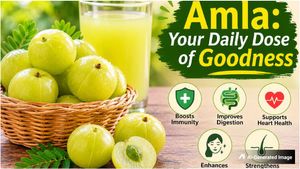 Amla Benefits: 5 Simple Combinations to Boost Your Health, Expert-Approved
-
 Ferritin Test for Hair: What Ferritin Levels Mean for Hair Loss
-
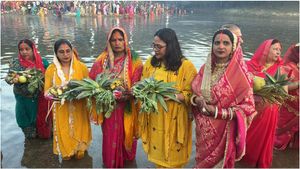 Chhath Puja 2026: A Divine First-Hand Experience of Faith, Devotion and Surya Arghya
-
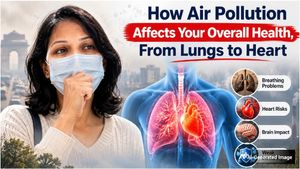 Beyond the Cough: How Air Pollution Affects Your Overall Health, From Lungs to Heart
-
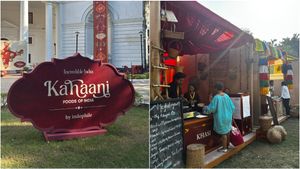 Kahaani: Foods of India Turns Delhi's Weekend into a Celebration of Food, Culture and Nostalgia
-
 Liver Health: 7 Important Functions of the Liver and Warning Signs You Should Never Ignore
-
 Brain Stroke and Brain Haemorrhage: 8 Important Warning Signs and Preventive Steps You Should Never Ignore
-
 What Is the Astrological Significance of Chhath Puja? Explained By Astrologer Ashutosh
-
 *High Blood Pressure and Heart Disease: 5 Cardiac Complications You Should Never Ignore*
-
 How to Choose the Best Adult Diapers for Comfort, Protection, and Everyday Use


Devuthani Ekadashi 2026: Lord Vishnu Awakening Rituals and Powerful Mantra to Chant

Devuthani Ekadashi, also called Prabodhini or Devutthana Ekadashi, is one of the most auspicious days in the Hindu calendar. It marks the awakening of Bhagwan Vishnu from his four-month Yoga Nidra during Chaturmas. With his awakening, the pause on weddings and other auspicious ceremonies ends, and the festive season of marriages begins. Devotees fast, chant and offer seasonal bhog to Shri Hari.

Date and Timings (New Delhi)
Smarta observance: Friday, 20 November 2026
Vaishnava observance: Saturday, 21 November 2026
Ekadashi tithi: begins 7:15 AM on 20 November and ends 6:31 AM on 21 November
Parana (Smarta): 1:11 PM to 3:18 PM on 21 November
Parana (Vaishnava): 6:49 AM to 8:56 AM on 22 November
Timings vary by city and panchang, so confirm with your local panchang or pandit. The fast should be broken only on Dwadashi, within the parana window.
The Mantra to Chant
उत्तिष्ठोत्तिष्ठ गोविन्द उत्तिष्ठ गरुडध्वज।
उत्तिष्ठ कमलाकान्त त्रैलोक्यं मङ्गलं कुरु॥
Uttishthottishtha Govinda, Uttishtha Garudadhwaja.
Uttishtha Kamalakantha, Trailokyam Mangalam Kuru.
Meaning: Rise, O Govinda, rise. Rise, O Garudadhwaja, whose banner bears Garuda. Rise, O Kamalakanta, beloved of Goddess Lakshmi, and bless the three worlds with auspiciousness.
Recite it at dawn or during the evening puja, after lighting a ghee diya and offering yellow flowers and tulsi leaves. Many families chant it while ringing a bell or a thali, as a symbolic way of waking the Lord. You can also chant ॐ नमो भगवते वासुदेवाय (Om Namo Bhagavate Vasudevaya) 108 times with a tulsi mala alongside it.
Traditional Bhog: Devotees offer seasonal produce associated with Devuthani Ekadashi and Tulsi Vivah.
Sweet potato (shakarkand)
Sugarcane
Ber
Amla
Banana
Radish
Yam (suran)
Tulsi leaves must always be part of the offering. Arrange the bhog in front of Lord Vishnu or Shaligram, light a diya and complete the puja with the Ekadashi katha and aarti.
Tulsi Vivah Connection
Devuthani Ekadashi is closely linked with Tulsi Vivah, the ceremonial marriage of Goddess Tulsi to Shaligram, a form of Lord Vishnu. Some homes perform it on Ekadashi itself, while others do it on the following Dwadashi or a day or two later, as per local custom. Families decorate the tulsi plant with a chunri and ornaments and set up a small mandap for the ceremony.
Benefits of Observing Devuthani Ekadashi
Spiritual merit: Fasting and prayer to Lord Vishnu are believed to bring his blessings and peace of mind.
A fresh, auspicious start: The day opens the wedding and griha pravesh season, so it is seen as a symbol of new beginnings.
Discipline and purity: Fasting, chanting and simple food cultivate restraint and focus.
Family wellbeing: Many pray for the happiness, health and harmony of the household.
Devotion through service: Offering bhog and sharing prasad nurtures gratitude and generosity.
Fasting Tips: Fasting rules differ by family. Some keep a strict nirjala fast, while others take fruits, milk or sabudana. Choose what suits your health, and consult your doctor if you are elderly, pregnant or managing a medical condition.

 Continue with Google


