




 Click it and Unblock the Notifications


Latest Updates
-
 Can a 50-Year-Old Develop Alzheimer's? What Early-Onset Dementia Looks Like
 -
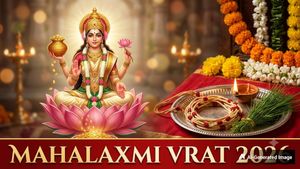 Mahalaxmi Vrat 2026: Date, Puja Vidhi, And The Legend Behind The 16 Knots
 -
 Who Is Anant Nag? Meet The Veteran Kannada Actor Set To Receive Dadasaheb Phalke Award
 -
 Throwback Thursday: Kareena Kapoor’s ‘Poo’ To Priyanka Chopra’s ‘Desi Girl’, Bollywood Looks That Ruled 2000s
 -
 PM Narendra Modi Birthday Special: Make His Favourite Khichdi At Home And Know Its Health Benefits
 -
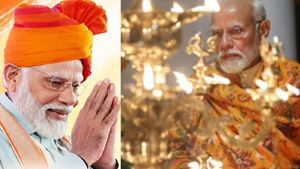 PM Modi Turns 76: ‘Ashirwad Ka Diya’ To Be Lit At 500+ Locations Across India
 -
 World Patient Safety Day 2026: Taking Multiple Medicines? Expert Explains How To Prevent Medication Errors
 -
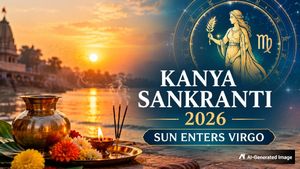 Kanya Sankranti 2026: Surya’s Virgo Transition, Rituals And Why The Day Is Spiritually Significant
 -
 Vishwakarma Puja 2026: Why Do We Worship Tools, Machines And Vehicles On This Day?
 -
 Grammy-Nominated Singer-Songwriter Alex Warren To Perform At Abu Dhabi Grand Prix 2026


Best Rangoli Designs For Diwali

Diwali is often called the festival of lights, but it is to be noted that colours have a huge part to play in the celebrations as well. The decorations are colourful and flowers and leaves are made use of in the same. Rangoli is another way that we make use of colours to celebrate Diwali.
The word 'Rangoli' is derived from the words 'Rang', which means colour and 'aavali', which means a line or pattern. The use of rangoli to decorate and celebrate can be traced back to the ancient times in India, where people regularly used rice flour and other materials to decorate their doorways.
With time, the practice faded and only a few parts of the country still practice this. But making rangolis is still a popular custom during festivals and other important days.

Rangoli is believed to be very auspicious and is thought to invite Goddess Maha Lakshmi into the house.
The powder for the rangoli was traditionally made using rice flour, chalk powder and natural colours. Today, these colours can be purchased from the market. The pattern for the rangoli was made using the fingers but today, there are stencils and other objects available. The designs may vary from plain to colourful and from traditional to abstract.
Today, let's take a look at some of the designs that you may try this Diwali.

The Traditional Rangoli
This traditional rangoli is made using rice flour or white chalk powder. You can try this if you do not have colours in hand. This design makes use of lines and dots to create a pattern. It is pretty, simple and easily doable.

The Abstract Rangoli
If you want to make your guests feel delighted on Diwali, this is the design you need to choose. Its bold colours and unique design will inspire any beholder. The large flower and the designs surrounding it in loud colours are just phenomenal. Take the design to another level by adding a few diyas.

The Deity Rangoli
Pay homage to your favourite deity by drawing a deity rangoli on Diwali. This particular design features Lord Ganesha, but you can also choose any other deity. Lord Krishna and Goddess Durga are popular choices.

The Simple Beginner Rangoli
This design is as simple as it gets without losing its wow factor. This design is useful for someone who is short of space or is just venturing out into the rangoli making area. Simple strokes of the finger are to be used to make the pattern using white chalk powder and colours of your choice can be used to complete it.

Rangoli Using Flowers
If you find it hard to make a rangoli using the colour powders, opt for flower rangolis. Flowers are available in a wide variety of colours and are easy to arrange in a pattern. Just a couple of different flowers can be used to make a beautiful rangoli. And what's more? Your house will smell fresh and fragrant.

Geometric Rangoli
This design is very pleasing to the eye and is very easy to make, as it is based on sharp lines and geometric design. Use contrasting colours to make an interesting design. Use diyas to make it all the more pleasing.

Rangoli Using Beads And Pearls
If you want a regal-looking rangoli this Diwali, choose this magnificent design. Draw out your pattern and fill it in with colours. Then, use beads, pearls, colourful stones and such to line and highlight the pattern.

Rangoli Using Coloured Rice
This rangoli is unique, as it uses raw rice that has been dyed in various colours. It is then arranged in the design that you desire to make a beautiful rangoli. Rice itself is seen as auspicious and a rangoli made with it increases the piety of the occasion. In this design, the rice is arranged to form an image of Lord Ganesha.

The Border Rangoli
This kind of a rangoli is suitable for people who have very little space like those who live in apartments. A simple and colourful pattern can be used to line your doorway. It will give a festival mood to your house. Add diyas to make the design really special.

The Half Rangoli
This design is again best suited for the occupants of apartments and the residents of cities. Unlike the border pattern, this design gives you the luxury of having an elaborate rangoli without using much space at the same time.

The Peacock Rangoli
Peacocks are one of the most auspicious things in Hinduism. They are also among some of the most graceful and beautiful beings. It is not a surprise that peacock designs are very popular during Diwali.
This particular design has used bold colours and geometric designs to create a beautiful peacock design. Lamps cast a play of light and shadow on it to increase its magnificence.
All IMAGE COURTESY : Shanthi Sridharan.KOLAM

 Continue with Google

