




 Click it and Unblock the Notifications


Latest Updates
-
 When Is Navratri In 2026? Full Dates, Rituals, Colours, Significance, and Fasting Guide
 -
 Vijay Sethupathi Confirms Maharaja 2, Hollywood Remake In The Works
 -
 Dashavatara Vrat 2026: Everything To Know About Tithi, Rituals, Fasting And The Ten Forms Of Lord Vishnu
 -
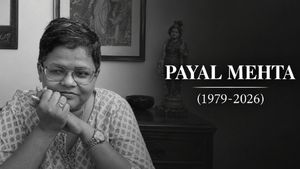 Senior Journalist Payal Mehta Passes Away At 46; PM Modi, Rahul Gandhi, Other Political Leaders Pay Tributes
 -
 Alia Bhatt’s Ganesh Chaturthi 2026 Looks Were All About Custom Kurtas, Colour And Modern Festive Style
 -
 How To Enjoy Sweets During Festivals Without Causing Big Blood Sugar Spikes
 -
 Weekend Read: Salman Khan Goes Shirtless on BB 20, Gives Trolls a Befitting 'Come Troll Me' Reply
 -
 World Cleanup Day 2026: Why ‘Clean Plates’ Could Be The Secret To Cleaner, Greener Cities
 -
 Deepika Padukone Welcomes Second Daughter With Ranveer Singh, A Day After Siddhivinayak Temple Visit
 -
 Penelope Cruz Steps Onto The TIFF Red Carpet In A Statement High Jewellery Look


World Alzheimer’s Day 2026: Why Early Diagnosis Matters And What This Year’s Theme Means

World Alzheimer's Day 2026 falls on September 21, with this year's campaign turning attention to something that can be easy to postpone: getting answers when changes in memory or thinking begin. The theme, "The Earlier You Know, The More You Can Do: A Dementia Diagnosis Matters," focuses on timely diagnosis and what it can mean for people living with dementia, their families and caregivers.
Why Early Diagnosis Matters
Forgetting a name occasionally or losing track of where you kept your keys does not automatically mean dementia. But persistent changes in memory, thinking, communication or the ability to manage familiar everyday tasks deserve attention.

A diagnosis can help identify what is causing these changes and allow people and their families to understand what support and treatment options may be available. Alzheimer's Disease International (ADI) is using the 2026 campaign to challenge the stigma that can prevent people from seeking help and to emphasise the value of knowing what is happening sooner rather than later.
Alzheimer's Is The Most Common Form Of Dementia
Dementia is not one specific disease. It describes a group of conditions that affect memory, thinking and the ability to function independently. Alzheimer's disease is the most common form and may account for 60-70% of dementia cases, according to the World Health Organization (WHO).
Globally, 57 million people were living with dementia in 2021, with nearly 10 million new cases occurring each year. More than 60% of people affected live in low- and middle-income countries.
What Can You Do About Dementia Risk?
There is currently no cure for dementia, but the focus is increasingly shifting towards risk reduction. In July 2026, WHO released updated guidelines stating that up to 45% of dementia risk could potentially be prevented or delayed by addressing modifiable factors.
These include physical inactivity, smoking, harmful alcohol use, social isolation, unhealthy diet, air pollution, high blood pressure, diabetes, high cholesterol and hearing loss. Staying physically active, managing existing health conditions and remaining socially and mentally engaged can therefore form part of a broader approach to brain health.
A New Chapter In Dementia Research
Every advance in dementia diagnosis and treatment begins with research.
— ADI (@AlzDisInt) August 21, 2026
Currently in the pipeline there are 158 drugs being tested in 192 trials, however, to make these new treatments possible, there is a need for thousands of people living with dementia, ranging from early, mid… pic.twitter.com/RZ7tYdMopm
World Alzheimer's Day 2026 also coincides with the launch of ADI's World Alzheimer Report 2026: A New Era in Dementia Clinical Trials. ADI reports that 158 drugs are currently being investigated across 192 clinical trials, highlighting the scale of ongoing research into new approaches to dementia diagnosis and treatment.
World Alzheimer's Day 2026: Knowing Can Be The First Step
World Alzheimer's Day is ultimately a reminder not to dismiss concerning cognitive changes as simply "getting older." A conversation with a healthcare professional can be the first step towards understanding what is happening, accessing appropriate support and making informed plans. In 2026, the message is clear: knowing earlier can give people more information, more choices and more time to act.
Disclaimer: The information provided in this article is for general informational and educational purposes only and is not intended as a substitute for professional medical advice, diagnosis, or treatment. Always seek the advice of your physician or a qualified healthcare provider with any questions you may have regarding a medical condition.

 Continue with Google

