



 Click it and Unblock the Notifications



Latest Updates
-
 Diwali 2026: 5 Healthy Homemade Indian Sweets That Go Beyond Traditional Mithai
-
 Stroke In Young Women: Neurologist Explains Warning Signs And Hormonal Risk Factors
-
 ‘Star Trek’ And ‘X-Men’ Actor Patrick Stewart Passes Away At 86 After Dementia Battle
-
 Ananya Panday Turns 28: ‘Chand Mera Dil’ Star’s Bold Backless Chanel Feather Dress Is Reportedly ₹14.71 Lakh
-
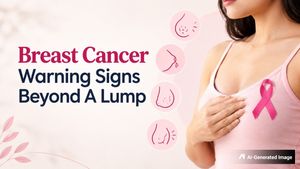 Breast Cancer: A Lump Is Not The Only Warning Sign, Says Doctor
-
 Karwa Chauth 2026: Will Cyclone Arnab Affect Moon Sighting?
-
 Vijay Sethupathi, Atlee’s Baththa Goes International With IFFA Pick
-
 Sehwag vs Gulati: What Is The Controversy On Rise And Fall 2?
-
 Cyclone Arnab Update: Five Dead, 57,000 Evacuated In Andhra Pradesh
-
 Karwa Chauth Wellness Edit: Yoga Rituals for a Calmer Mind, Better Energy and Inner Balance


Weight, Alcohol, Hormones: Pathologist Shares Insights On What Really Shapes A Woman’s Breast Cancer Risk

Breast cancer is often associated with family history, but not every woman diagnosed with the disease has a close relative who has had it. Several other factors, including hormonal exposure throughout life, weight changes after menopause and alcohol consumption, can also influence a woman's risk. Understanding these connections is an important part of taking charge of breast health.
As Breast Cancer Awareness Month 2026 highlights the importance of prevention, early detection and timely treatment, looking beyond family history becomes particularly relevant. Dr. Mayanka Lodha Seth, Chief Pathologist at Redcliffe Labs, explains how these factors can shape breast cancer risk and why women should pay attention to their individual health profiles.
Understanding India's Breast Cancer Burden
India faces a significant breast cancer burden, with above 2 lakh new cases and approximately 1 lakh deaths reported in a year. More than 60% of patients are diagnosed at advanced stages, stressing the importance of awareness, timely assessment, and proper access to early diagnosis and treatment.

According to the International Agency for Research on Cancer (IARC), GLOBOCAN 2022 estimates, India recorded 1,92,020 new breast cancer cases in 2022, making it the leading cancer among women in the country. These figures underline why greater awareness, timely screening and access to diagnostic facilities remain essential.
How Hormones Can Affect Breast Cancer Risk
Hormones have a significant part in the functioning and development of breast tissues. However, prolonged estrogen exposure throughout one's life increases the chance of acquiring some forms of breast cancer. Early menstruation, late menopause, and having a first full-term pregnancy at an older age can increase the risk of the disease.
If you consider hormone replacement therapy during menopause, that also requires consideration. Combined estrogen and progesterone therapy can increase breast cancer risk, particularly with extended use.
Some hormonal contraceptives are associated with a small increase in risk while being used. However, these decisions should be based on individual circumstances, with a doctor weighing the benefits against potential risks.
Why Body Weight Matters, Particularly After Menopause
Weight and breast cancer risk have a more complex relationship than many people realise. After menopause, fat tissue becomes an important source of estrogen. Excess body fat can thus increase hormone exposure and contribute to a higher risk of breast cancer. Insulin level fluctuations and inflammation also play a major role.
But weight is only part of the process. Other individual characteristics like age, reproductive history, and family history can also affect risk. Keeping a healthy weight after menopause, being physically active, and drinking less may help lower some of the controllable hazards. These actions won't eliminate the threat of breast cancer, but will help provide women with a healthy, rational strategy to support lifelong health benefits.
Alcohol Is Another Risk Factor Worth Understanding
The other issue that should be given more importance is the consumption of alcohol. When alcohol is metabolised in the body, acetaldehyde is formed, which has been known to cause damage to the DNA. Also, alcohol can have an impact on the hormones, especially estrogen.
Excessive alcohol consumption increases the risk of breast cancer. Nonetheless, even low levels of consumption have been associated with increased risk, and no type of alcoholic beverage can be considered safer than another in this regard.
Reducing alcohol intake, or avoiding it altogether, is therefore a practical step towards lowering risk. Women using menopausal hormone therapy should also discuss their alcohol consumption and individual risk profile with their doctor.
Understanding Personal Risk And The Importance Of Early Detection
Not every risk factor is within a woman's control. Age, inherited genetic changes, and family history cannot be changed, and breast cancer can develop even in women who follow a healthy lifestyle. The focus, therefore, should be on understanding personal risk and seeking appropriate medical guidance.
Government data shows that more than 16.5 crore people were screened for breast cancer at the Ayushman Arogya Mandirs. While increasing screening is a good first step, prompt follow-up, availability of diagnostic tests, and treatment if required are also vital.
Women should speak to their doctor about screening based on their age, family history and individual risk. Any new breast lump, nipple discharge, or change in breast shape or skin should also be checked promptly. When it comes to breast health, AWARENESS and TIMELY ACTION matter. Knowing what is normal for your body and seeking medical advice when something changes can make a profound difference.
Breast Cancer Awareness Month 2026: Why Knowing Your Risk Matters
Breast Cancer Awareness Month 2026 is a reminder that understanding breast cancer involves more than recognising symptoms or knowing one's family history. Hormonal exposure, weight changes after menopause and alcohol consumption are important factors women should understand when assessing their risk.
While lifestyle changes cannot guarantee prevention, informed choices, regular medical consultations and timely screening can support better breast health. Recognising potential risk factors and acting on changes early can make a difference in the journey towards diagnosis and treatment.
Disclaimer: The information provided in this article is for general informational and educational purposes only and is not intended as a substitute for professional medical advice, diagnosis, or treatment. Always seek the advice of your physician or a qualified healthcare provider with any questions you may have regarding a medical condition.

 Continue with Google


