



 Click it and Unblock the Notifications



Latest Updates
-
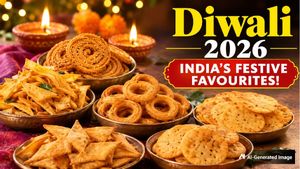 Diwali 2026: Chakli To Nimki, 7 Regional Savoury Snacks That Bring Traditional Indian Flavours To Your Table
-
 Filmmaker Sanjay Gupta Passes Away At 57: ‘Aatish’ To ‘Kaabil’, Look At His Three-Decade Bollywood Journey
-
 Halloween 2026: From Chudail To Yakshi, 5 Mysterious Supernatural Beings That Haunt Indian Folklore
-
 Rashtriya Ekta Diwas 2026: Significance, History And Sardar Vallabhbhai Patel's Role In Uniting India
-
 Survey Finds 68% Of Previously Married Singles Hesitate To Match With Never-Married Partners
-
 Diwali 2026: Complete Five-Day Festival Calendar, Dates, Significance And Celebrations
-
 Weight, Alcohol, Hormones: Pathologist Shares Insights On What Really Shapes A Woman’s Breast Cancer Risk
-
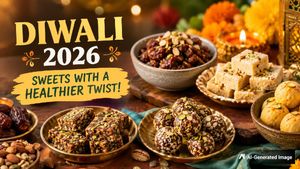 Diwali 2026: 5 Healthy Homemade Indian Sweets That Go Beyond Traditional Mithai
-
 Stroke In Young Women: Neurologist Explains Warning Signs And Hormonal Risk Factors
-
 ‘Star Trek’ And ‘X-Men’ Actor Patrick Stewart Passes Away At 86 After Dementia Battle


When Is Total Solar Eclipse 2024? Let's Debunk 3 Common Food Myths About Surya Grahan

A total solar eclipse is a spectacular celestial event that occurs when the moon passes between the sun and Earth, temporarily blocking out the sun's light. In many cultures, solar eclipses are surrounded by myths and superstitions, especially regarding food and eating habits.
This year Total solar eclipse 2024 will occur on 8 April 2024. However, stargazers in India will not be able to witness this celestial event. Let's explore three common food myths and facts about the total solar eclipse, also known as Surya Grahan.

Myth 1: Food Cooked During a Solar Eclipse is Unsafe to Eat
Fact: There is no scientific evidence to support the belief that food cooked during a solar eclipse is unsafe to eat. The idea likely stems from ancient beliefs that the sun's rays could negatively affect food during an eclipse. However, modern science has shown that there is no harm in consuming food prepared during a solar eclipse.
Myth 2: Pregnant Women Should Avoid Eating During a Solar Eclipse
Fact: While pregnant women are often advised to avoid certain activities during a solar eclipse, such as going outside or using sharp objects, there is no evidence to suggest that they should avoid eating. Pregnant women need to maintain a healthy diet for their well-being and the health of their babies.
Myth 3: Solar Eclipses Can Cause Food to Spoil Faster
Fact: There is no scientific basis for the belief that solar eclipses can cause food to spoil faster. Food spoils due to factors such as temperature, humidity, and exposure to bacteria, not because of an eclipse. It is important to store and handle food properly to prevent spoilage, regardless of whether an eclipse is occurring.
Therefore, solar eclipses are awe-inspiring events that have captured the imagination of people around the world for centuries. While they may be surrounded by myths and superstitions, it is important to rely on scientific facts when it comes to food safety during an eclipse. By understanding the facts and debunking the myths, we can enjoy this rare celestial event without unnecessary worry about our food.
Disclaimer: The information provided in this article is for general informational and educational purposes only and is not intended as a substitute for professional medical advice, diagnosis, or treatment. Always seek the advice of your physician or a qualified healthcare provider with any questions you may have regarding a medical condition.

 Continue with Google


