




 Click it and Unblock the Notifications


Latest Updates
-
 Eat, Celebrate, Repeat: 6 Ayurvedic Tips To Keep Your Digestion Happy This Navratri 2026
 -
 Breast Cancer Awareness Month 2026: Expert Explains The Emotional Toll Of Breast Cancer
 -
 Navratri 2026 Food Hopping In Delhi NCR: 7 Places To Explore For A Taste Of Festive Flavours
 -
 Why Casual Games Are Perfect for Quick Online Play
 -
 World Menopause Day 2026: Theme, Significance And What Research Reveals About Menopause In India
 -
 Navratri Day 8: Maa Mahagauri Puja, Colour, Rituals And Significance
 -
 Dussehra 2026: The Difference Between Vijayadashami And Ravana Dahan
 -
 Veteran Musician Deva Dies At 75: Life And Legacy Of Thenisai Thendral
 -
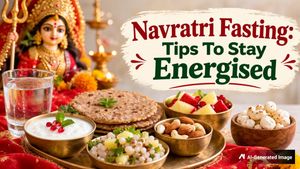 Navratri Fasting Diet: How To Stay Energised And Full Through The Day
 -
 Kavya Maran Wedding In Greece? Date, Venue, and What Is Confirmed


There Is No Shortcut To Good Health, Avoid These Frozen Foods

Frozen foods have become an integral part of our everyday diet, thanks to the time crunch in our too-busy lifestyle.
In this age of double-income-no-cooking syndrome, preserved food becomes a routine rather than an option. Whether it is pizzas or parathas or chicken sandwiches, we freeze them for the next meal.
But, are these frozen foods good for health? Experts say that frozen food items like meat, fries and parathas do not provide the same nutrition as freshly cooked ones do.
The use of the partially hydrogenated palm oil or trans fats in them can cause harm. Moreover, frozen foods have a high concentration of sodium; and consuming too much of such food would harm those who have problems like high blood pressure.
All frozen foods are not bad though.
In case of fruits and vegetables, frozen items can be actually better than those that are kept in the refrigerator for a long time after buying. These plant products, if bought frozen and defrosted during consumption, would see them retain more nutrients.
Also Read: 7 Foods That Should Not Be Reheated
Things To Remember While Buying/Having Frozen Foods
Frozen foods might not be as nutritious as freshly cooked ones, but certain things can be kept in mind while buying or consuming them, which are as listed below:
• Avoid buying frozen foods containing cheese sauce, as they are rich in saturated fats.
• Do not put the foods back into the refrigerator after thawing them for consumption. Only process the quantity you require.
• While purchasing frozen fruits or vegetables, always check the list of ingredients. Do not buy those packed in syrups.
• Ensure that you buy only the fruit and vegetable you want to buy and nothing else.
• Eat salads or a few fresh fruits and vegetables along with a frozen meal. This will make up for the deficient nutrients.
Also, make a point to not have these 12 foods in a frozen state.
While fruits and vegetables can be a good source of nutrients, there are some foods that should be strictly avoided in frozen conditions. Here is the list, read on.

1. Pizza and macaroni: If you want to have them, order for freshly prepared ones and not frozen varieties that have high fat and calories and also preservatives.
2. Burger: Avoid frozen burgers, as they are full of saturated fats and can shoot up your cholesterol level.

3. Meat Rolls: Having frozen meat rolls means inviting the dangerous trans fats to damage your body.

4. Chicken nuggets: Say a big 'No' to frozen nuggets, even if their packets assure quality. Frozen nuggets contain the dangerous trans fats in them.

5. French fries: Frozen French fries have a high concentration of salt, calories and fat. So, beware.

6. Smoothies: Avoid frozen smoothies, as they contain added sugar and colours.

7. Fish fillets: It is full of oil and calories so it is best to be avoided.

8. Parathas, chapatis and samosas: Give up the habit of eating frozen parathas and samosas at public places. The hydrogenated palm oil in them is unhealthy.

9. Seafood: Frozen seafood like shrimps and crabs contain enough of fats and calories.

10. Bread: Frozen breads can cause problem to our digestive systems.

11. Yogurt: Frozen yogurts have high calories in them.

12. Sweets
To conclude, we should try to avoid frozen foods in our daily diet and opt for them only in certain emergency situations. If you have a meal comprising of frozen food, try to make it up with a fresh one next time.
Disclaimer: The information provided in this article is for general informational and educational purposes only and is not intended as a substitute for professional medical advice, diagnosis, or treatment. Always seek the advice of your physician or a qualified healthcare provider with any questions you may have regarding a medical condition.

 Continue with Google

