




 Click it and Unblock the Notifications


Latest Updates
-
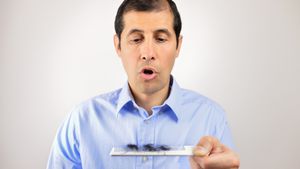 Stop Blaming the Monsoon Entirely for Your Hair Fall, Says This Dermatologist
 -
 Shakira Debuts a New Gaurav Gupta Breastplate, and This Time It's Gold and Banarasi
 -
 Can Hair Oils Prevent Premature Graying or Improve New Hair Growth?
 -
 Can Any Blood Group Donate Organs to Any Patient? A Transplant Expert Explains
 -
 Everyone's Talking About Rahane's Igatpuri Home. Here's Why The Town Itself Is Worth The Trip
 -
 You Don't Need Surgery for Every Sinus Problem: When Is FESS Actually Necessary?
 -
 Who Was Mithu Mukherjee? Veteran Bengali Actress Passes Away At 71
 -
 Ahmedabad Police Flag Fraud Risk Behind Viral 'Rent A Garba Partner' Ads
 -
 Vidya Balan’s Jailer 2 Entry As Kantha: From Silk To Manjulika, A Look At Her Unconventional Roles
 -
 Samay Raina Has Now Denied Dating Rumours With Two Women In Three Months


Drinking Milk Daily Cuts Bone Fracture Risk

Four glasses of milk daily can significantly cut the risk of bone fractures in adults, suggests a new study.
The study from University Hospital Zurich and Dartmouth Medical School has found that boosting calcium intake by drinking milk can significantly reduce healthy adults' chances of a debilitating bone break.
Researchers claim that healthy men and women supplemented with 1,200 mg of calcium per day, the amount in four glasses of milk, reduced their risk of bone fractures by 72 percent.
The study involved 930 healthy men and women ages 27 to 80. The participants were divided into two groups for a four-year intervention study.
One group was given a placebo, while the other took a daily calcium supplement containing 1,200 mg of calcium daily - the calcium recommendation for adults over the age of 51.
The results showed that those receiving an additional 1,200 mg of calcium were significantly less likely to have a bone fracture of any sort during the four-year period, including everyday activity fractures (bone breaks that occurred while walking or standing) and seemingly unavoidable accident-related fractures (bone breaks sustained during falls, running, sports injuries or car accidents).
In fact, during the four-year intervention, not a single adult receiving calcium experienced a fracture tied to everyday activities - fractures that researchers call "potentially preventable" and more likely linked to bone health.
The researchers suggest that adults are required to maintain their calcium intakes.
Adult bones continue to grow in density and strength until about age 35. After that, preventing further bone loss is essential. Poor bone health and bone fractures can have negative consequences for adults of all ages, interfering with recreational activities, ability to work or physical capacity to exercise and stay healthy.
The study is published study in the American Journal of Clinical Nutrition.
Disclaimer: The information provided in this article is for general informational and educational purposes only and is not intended as a substitute for professional medical advice, diagnosis, or treatment. Always seek the advice of your physician or a qualified healthcare provider with any questions you may have regarding a medical condition.

 Continue with Google

