




 Click it and Unblock the Notifications


Latest Updates
-
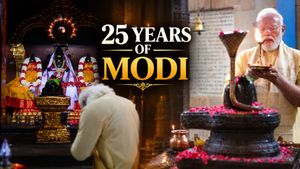 PM Narendra Modi Marks 25 Years In Government With Prayers At Delhi’s Historic Shri Vinayak Temple
 -
 Indian Air Force Day 2026: Inside The 94th Anniversary Celebrations, Theme, History And Air Displays
 -
 Nana Patekar Passes Away At 75: Veteran Bollywood Actor’s Last Public Appearance Video Goes Viral
 -
 Masik Shivratri October 2026: Why This Sacred Night Is Significant For Lord Shiva Devotees
 -
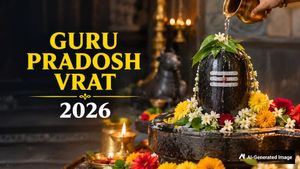 Guru Pradosh Vrat 2026: Know The Puja Timings, Fasting Rules And Shiva Worship Rituals
 -
 The Screen–Snack Connection: Expert Explains How Screen Time Changes Kids' Eating
 -
 Vijay Deverakonda Says Rashmika Mandanna Tells Him ‘I Love You’ 10-15 Times A Day — A Psychologist Explains
 -
 Culturally Matched NDIS Support in Melbourne: Where to Start
 -
 58-Year-Old DonnaJean Wilde's Plank Record: 4 Benefits For Women 50+
 -
 Navratri 2026: Can You Exercise While Fasting? A Doctor Says What To Keep In Mind


Pana Sankranti 2026: Why This Odia New Year Is Rooted In Summer Survival Traditions

Pana Sankranti is being observed today, marking the beginning of the traditional solar New Year in Odisha. Known for its strong connection to seasonal change and everyday living, the festival brings together astronomy, climate awareness, and long-standing rituals. Understanding Pana Sankranti 2026 through its name, origins, and practices helps explain why it continues to hold relevance.
Why Odia New Year Is Called Pana Sankranti
The name comes from the traditional drink Pana, which is central to the day's rituals.
"Pana" refers to a cooling beverage typically made with bael fruit, jaggery, and water. It is first offered to deities and then shared among people.

The word "Sankranti" refers to the Sun's transition into a new zodiac sign, specifically Mesha Sankranti, which marks the start of the solar year in the Odia calendar.
The name, therefore, comes directly from a defining practice of the festival-the preparation and offering of Pana on this day.
Historical Roots Of Pana Sankranti
Pana Sankranti, also known as Maha Bishuba Sankranti, marks the first day of the Odia month of Baisakha.
Its origins lie in traditional solar calendars that track the Sun's movement across zodiac signs. The transition into Aries has long been treated as an important time marker across regions.
In Odisha, this astronomical event became closely tied to seasonal change, especially the onset of summer. Over time, practices developed around this shift, combining timekeeping with local customs and environmental needs.
Pana Sankranti Seasonal Significance That Still Holds Meaning
By mid-April, temperatures begin to rise sharply in Odisha, and daily routines naturally adjust.
The preparation of Pana reflects this shift. Ingredients like bael fruit and jaggery are traditionally known for their cooling properties and hydration benefits. The festival highlights how communities responded to heat using what was locally available.
It also explains why food and drink are central to the day as a response to climate.
Pana Sankranti Rituals Follow A Clear Logic
The rituals of Pana Sankranti are closely linked to both devotion and seasonal awareness.
1. Preparation and Offering of Pana
Pana is:
- Offered to deities
- Shared among people
It acts as both a religious offering and seasonal nourishment.
2. Basundhara Theki (Water Pot Ritual)
An earthen pot filled with water or Pana is:
- Hung above a Tulsi plant
- Made to drip slowly through a small hole
Symbolises:
- Cooling the surroundings
- Sustaining life through water
3. Charity and Water Donation
People distribute:
- Water
- Buttermilk
- Cooling drinks and food
Reflects values of compassion and community care during summer.
4. Temple Visits and Worship
Devotees:
- Visit temples
- Perform pujas
- Offer prayers
Seek blessings for health, prosperity, and a new beginning.
5. Folk Rituals and Community Traditions
Includes:
- Danda Nata
- Jhamu Yatra
- Local fairs and performances
These mark collective participation and continuation of cultural practices.
What Pana Sankranti Stands For
Pana Sankranti also marks the beginning of a new year in the Odia calendar, making it a time associated with fresh starts.
Families come together, exchange greetings, and follow rituals that have been passed down through generations. At the same time, the festival remains grounded in everyday realities-heat, hydration, and community support.
Pana Sankranti 2026 is being observed today with the same core elements that have defined it for generations. Its name comes from a simple yet essential practice-the preparation of Pana but its meaning goes further.
It reflects a way of marking time that connects the movement of the Sun with the needs of daily life. In doing so, it continues to feel relevant, not because it has changed, but because it still fits the moment it was designed for.

 Continue with Google

