




 Click it and Unblock the Notifications


Latest Updates
-
 Eat, Celebrate, Repeat: 6 Ayurvedic Tips To Keep Your Digestion Happy This Navratri 2026
 -
 Breast Cancer Awareness Month 2026: Expert Explains The Emotional Toll Of Breast Cancer
 -
 Navratri 2026 Food Hopping In Delhi NCR: 7 Places To Explore For A Taste Of Festive Flavours
 -
 Why Casual Games Are Perfect for Quick Online Play
 -
 World Menopause Day 2026: Theme, Significance And What Research Reveals About Menopause In India
 -
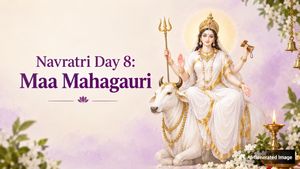 Navratri Day 8: Maa Mahagauri Puja, Colour, Rituals And Significance
 -
 Dussehra 2026: The Difference Between Vijayadashami And Ravana Dahan
 -
 Veteran Musician Deva Dies At 75: Life And Legacy Of Thenisai Thendral
 -
 Navratri Fasting Diet: How To Stay Energised And Full Through The Day
 -
 Kavya Maran Wedding In Greece? Date, Venue, and What Is Confirmed


Masik Kalashtami 2026: Significance, Rituals And Why Feeding Black Dogs Is Central To This Bhairav Observance

Masik Kalashtami arrives every month, but the one falling on Saturday, 10 January 2026, bears significance that many devotees pay close attention to. Dedicated to Lord Kaal Bhairav, this observance is less about celebration and more about protection, discipline, and confronting fear both external and internal. If you've ever wondered why people fast on this day, why dogs are fed, or why midnight prayers matter so much, this is one date worth understanding properly.

Masik Kalashtami 2026 Date And Tithi Details
Masik Kalashtami in January 2026 falls during Magha month's Krishna Paksha Ashtami.
- Date: Saturday, 10 January 2026
- Ashtami Tithi Begins: 8:23 AM on 10 January
- Ashtami Tithi Ends: 10:20 AM on 11 January
Because the Ashtami tithi spans across two days, 10 January is observed as the primary vrat day, based on sunrise timing, which is standard practice in Hindu rituals.
Who Is Lord Kaal Bhairav And Why This Day Is Dedicated To Him
Kaal Bhairav is a fierce form of Lord Shiva, associated with time (kaal), discipline, and justice. Unlike gentler deities, Bhairav isn't approached for comfort, he is invoked for protection, clarity, and removal of unseen obstacles.
Mythologically, Bhairav emerges to control ego, restore balance, and uphold cosmic law. Symbolically, he represents the part of life that forces accountability when shortcuts, fear, or dishonesty catch up with us. Masik Kalashtami exists as a monthly reminder to take a moment to reflect and realign.
Why Masik Kalashtami On 10 January 2026 Is Considered Powerful
This particular Kalashtami stands out for a few reasons:
- It falls on a Saturday, a day linked to Shani (Saturn)
- Bhairav worship is traditionally believed to reduce the intensity of Saturn, Rahu, and Ketu-related struggles
- Magha month itself is considered spiritually cleansing
For many devotees, this combination makes the day suitable for addressing long-standing fears, instability, or recurring obstacles.
Traditional Beliefs Associated With Masik Kalashtami
People observe Masik Kalashtami for different reasons, but commonly held beliefs include:
- Seeking protection from accidents, conflicts, or negative influences
- Gaining mental strength during uncertain phases
- Reducing the impact of challenging planetary periods
- Letting go of habits or patterns that no longer serve growth
Even for those who don't follow astrology closely, the day is often seen as a mental reset point, a monthly checkpoint.
How Masik Kalashtami Is Observed
There's no single rigid way to observe this day. Practices vary by region and family tradition, but a few elements remain consistent.
Fasting And Personal Discipline
Many devotees observe a fast from sunrise on 10 January. Some choose a strict fast with only water, while others consume fruits or milk. The emphasis is less on hardship and more on self-control and awareness.
Puja And Offerings
Bhairav puja is usually simple and direct:
- An image or idol of Lord Kaal Bhairav
- Oil lamp (often mustard oil)
- Black sesame seeds, flowers, fruits
- Incense and quiet prayer
Elaborate setups are not required. Bhairav worship traditionally values sincerity over display.
Mantras Commonly Chanted
A widely used mantra on this day is:
"Om Kaal Bhairavaya Namah"
Chanting is often done 108 times or for a fixed duration, depending on personal practice.
The Importance Of Night And Midnight Worship
Bhairav is closely associated with the night. Many devotees prefer performing puja after sunset, especially during Nishita Kaal (the midnight period on 11 January).
This timing is believed to align with Bhairav's protective energy, making prayers feel more focused and introspective.
Why Feeding Dogs Is Part Of Kalashtami
Dogs are traditionally considered the vahana (vehicle) of Lord Bhairav. Feeding dogs, especially black dogs with roti, milk, or curd is seen as an act of humility and compassion.
Beyond symbolism, it's also a reminder that spirituality isn't separate from everyday kindness.
What Masik Kalashtami 2026 Really Represents Today
At its core, Masik Kalashtami isn't about fear or austerity. It's about acknowledging that life has difficult phases and choosing to face them with honesty rather than avoidance.
This observance asks one simple question each month: What needs correction, courage, or closure right now?

Masik Kalashtami on 10 January 2026 offers a firm invitation to slow down, confront discomfort, and seek strength rather than escape. Whether you observe it through fasting, prayer, feeding animals, or quiet reflection, the day carries a steady message: protection begins with awareness, and discipline creates freedom. Even if you do nothing ritualistic, recognising the intent behind the day can be meaningful on its own.

 Continue with Google

