



 Click it and Unblock the Notifications



Latest Updates
-
 Places To Visit In Shirdi: 5 Destinations To Explore Beyond The Famous Sai Baba Temple
-
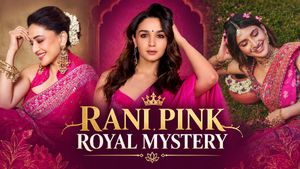 The Story Behind Rani Pink: Is Its Royal Name Inspired By Raat Ki Rani Or The Carrom Queen?
-
 Sharad Purnima 2026: Date, Significance, Timings And The Ritual Of Keeping Kheer Under Moonlight
-
 World Polio Day 2026: Date, Theme, Significance And Why It Matters
-
 Beyond Traditional Venues: How Leisure Destinations Are Changing Festival Celebrations
-
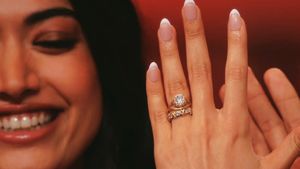 Rashmika Mandanna’s Engagement Ring Stack Features Victorian Diamond And Tiffany Sixteen Stone Band
-
 450 Get Anti-Rabies Shots After Cow Dies: Can Rabies Spread Through Milk?
-
 Devi, Vayu, Vamika And More: Why Modern Parents Are Rediscovering Ancient Indian Baby Names, Expert Explains
-
 Why Blood Sugar Can Remain High Even When You're Taking Medication
-
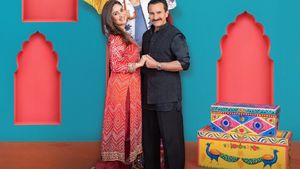 Kareena Kapoor’s Sindoori Red Suit And Saif Ali Khan’s Black Ensemble Are Worth A Style Decode


Karva Chauth 2026: Why Do Married Women Look At The Moon Through A Sieve Before Breaking Their Fast?

Karva Chauth is marked by several rituals, but one moment that stands out is when a married woman looks at the moon through a sieve before turning towards her husband. In many households, this ritual marks the final stage of a day-long fast observed for a husband's well-being. But why is a sieve used, and what does this familiar tradition symbolise in Karva Chauth 2026?
Why Do Married Women Look At The Moon Through A Sieve?
The sieve, known as a 'chhalni' in Hindi, is traditionally used during the moon-sighting ritual on Karva Chauth. Women first look at the moon through the sieve and then view their husbands' faces through the same object. In many households, the husband offers his wife water and food afterwards, marking the end of her fast.

The practice is associated with prayers for the husband's longevity, good health and prosperity. The moon is worshipped as Chandra, the lunar deity in Hindu tradition, and moonrise marks the point at which the fast can traditionally be broken. Looking at the moon before turning towards one's husband connects the religious observance with the couple's relationship.
What Is The Connection Between The Sieve And The Veeravati Story?
A popular folk narrative associated with Karva Chauth tells the story of Veeravati, a woman who observes a fast for her husband's well-being. According to one version, her brothers become concerned when she grows weak from fasting. They create the illusion of a moon using a light behind a tree or another object, leading her to believe that the moon has risen and prompting her to break her fast prematurely.
When Veeravati discovers the deception, she undertakes further prayers and observances for her husband. Some versions connect this story with the sieve ritual. However, the narrative exists in different forms, and there is no conclusive evidence establishing it as the historical origin of the modern practice.
What Does The Sieve Symbolise On Karva Chauth?
The sieve is commonly associated with marital devotion, prayer and the traditional bond between husband and wife. Some cultural explanations describe it as a symbolic filter that keeps negativity away, while others interpret it as a screen or veil associated with modesty and respect. These interpretations reflect cultural and religious beliefs rather than a single explanation accepted across all communities.
The sieve should not be confused with the karva, a pot traditionally used during the festival's worship and water offerings. The two objects have different roles in the observance. Claims that looking through a sieve removes negative energy or guarantees a husband's longevity are not scientifically established.
How Is The Moon-Sighting Ritual Performed?
Karva Chauth observances commonly begin before sunrise, often with sargi, a pre-dawn meal. Women then observe the fast and participate in the evening puja, which may include listening to the Karva Chauth vrat katha. After moonrise, they look at the moon through a sieve, sometimes with a lit diya placed on or near it, and offer water to the moon as part of the ritual. They then look at their husbands before breaking their fast, often with the husband offering water and a morsel of food.
The precise sequence varies by family and regional custom. Some households may use a dupatta or follow a different arrangement instead of a sieve.
Is The Sieve Ritual Followed Everywhere In India?
Karva Chauth 2026 is particularly associated with communities in North and Northwestern India, including Punjab, Haryana, Rajasthan, Uttar Pradesh and Delhi. Although the sieve ritual is widely recognised, it is not a universal Hindu practice, and not every woman who observes Karva Chauth follows identical customs.

The tradition continues to hold meaning for many families because it brings together prayer, shared stories and marital customs. Understanding the sieve ritual also means recognising the difference between its established place in the festival and the varied beliefs surrounding its symbolism.

 Continue with Google


