



 Click it and Unblock the Notifications



Latest Updates
-
 France Reports First Human Case Of Shamonda Virus After Man In His 60s Dies: Could It Affect India?
-
 Karwa Chauth Solah Shringar: The Significance Of The 16 Traditional Adornments
-
 Weight-Loss Injections Are Not a Quick Fix: The Hidden Risks of GLP-1 Drugs
-
 When Two Epilepsy Medicines Fail, What Should Families Do Next?
-
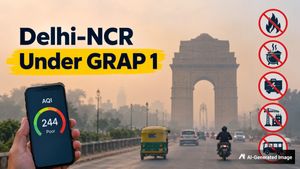 Delhi-NCR Under GRAP 1: The Curbs, the Bans and the Rules to Know
-
 Sepsis Can Look Like ‘Just a Bad Infection’: Expert Lists Warning Signs Families Need to Know
-
 Amitabh Bachchan Social Media Break: Doctors Ask Big B To Rest
-
 Throwback Thursday: Yash Chopra’s Heroines And The Fashion That Defined Bollywood Romance
-
 Deepika Padukone Wears ₹90,000 Gold Kurta Set As Ranveer Singh, Daughter Dua Twin For Baby Devi’s Name Reveal
-
 Women, Menopause And Bone Health: Doctor Explains Why Osteoporosis Risk Rises After 40


Karwa Chauth 2026: Date, Puja Muhurat, Moonrise Time and Rituals

By late afternoon on 29 October, the mehndi will have dried, the thalis will be set, and eyes across North India will keep drifting towards the sky. Karwa Chauth 2026 falls on Thursday, 29 October, and the whole day runs on one clock: the moment the moon rises.

For many families, the preparation is as much a part of the festival as the fast itself. Here are the timings, the rituals from pre-dawn to moonrise, and the meaning behind one of North India's most watched fasts.
Karwa Chauth 2026: Date and Timings
According to Drik Panchang, the festival falls on Thursday, 29 October, not 28 October, in India. Timings for New Delhi are:
- Chaturthi Tithi: begins 1:06 AM, ends 10:09 PM
- Sargi: before sunrise
- Fast begins: sunrise, around 6:31 AM
- Puja muhurat: 5:38 PM to 6:56 PM (1 hour 17 minutes)
- Moonrise: around 8:17 PM
Moonrise shifts from city to city. One city-wise table lists 8:17 PM for Delhi and 9:00 PM for Mumbai, and the same source notes that the date in the USA is 28 October. Local panchang timings are worth checking before the evening plans are made.
What Karwa Chauth Is

The name is a clue. Karwa is the earthen pot with a spout, and chauth is the fourth day of Krishna Paksha in the month of Kartik. The festival is celebrated mostly in Northern India, and women observe a nirjala vrat, a fast without food or water, from sunrise until the moon is sighted.
Before Dawn: The Sargi Ritual
The day begins in the dark. Sargi is a pre-dawn meal of fruits, sweets and dry fruits, and it is traditionally sent by the mother-in-law. In Punjab, it always includes fenia. One festival guide puts the usual sargi window at roughly 3:30 AM to 5:30 AM, ahead of a sunrise at 6:31 AM in Delhi. The rule that matters is simple: finish sargi before sunrise, in line with family custom.
Through the Day: Mehndi, Shringar and Waiting
Once the fast begins, the daylight hours go into preparation. Mehndi, dressing up and gathering the puja items fill the day, and the traditions of baya and solah shringar are part of the festival's rhythm. The same guide describes the late afternoon as the time when women gather for the collective katha and puja.
The Puja Thali: What to Keep Ready
The evening worship centres on a decorated thali. According to Astroshastra, it is typically set with:

- A diya
- A karwa (earthen pot)
- Sweets
- Sindoor
- Chandan
The Evening Puja and the Katha
The puja is performed within the muhurat, timed to lead into moonrise. The worship is directed to Gauri and Ganesh, and the traditional Karwa Chauth katha is read or heard together, often in a group. In Delhi, the window is 5:38 PM to 6:56 PM.
Moon, Sieve and the First Sip
Then comes the wait, and for many it is the most memorable part of the day. Once the moon rises, it is seen through a sieve, followed by the husband. The fast is broken with water from his hand, after Arghya is offered to the moon and the customary prayers are completed.
Why Karwa Chauth Matters
The fast is observed mainly by married women for their husbands' long life and wellbeing. Some unmarried women also keep it, hoping for a good partner.
There is a social layer too. The festival comes soon after the Kharif harvest and near the start of the rabi cycle, when community gatherings and gift exchanges were natural. The exchange of karvas, gifts and sargi has also reinforced bonds among women, including with in-laws and friends. And whatever the scale of the arrangements, the festival can be marked through companionship and family time.
Keeping the Fast Safely
A nirjala vrat is a long stretch without food or water, and that matters for anyone with a health condition, or for anyone who is pregnant.
Karwa Chauth is a long day with a precise ending. Note the muhurat, confirm moonrise for your city, and finish sargi before sunrise. After that, the day is about the rituals, the company and the moon.

 Continue with Google


