



 Click it and Unblock the Notifications



Latest Updates
-
 Deepika Padukone Wears ₹90,000 Gold Kurta Set As Ranveer Singh, Daughter Dua Twin For Baby Devi’s Name Reveal
-
 Women, Menopause And Bone Health: Doctor Explains Why Osteoporosis Risk Rises After 40
-
 Can Breast Cancer Be Detected Before Symptoms Appear? A Doctor Explains The Role Of Screening
-
 Papankusha Ekadashi 2026: October 21 Or 22? Know The Correct Date, Tithi And Significance
-
 OTT Releases This Week (October 19–25): New Movies And Series On Netflix, Prime Video, JioHotstar And Zee5
-
 Police Commemoration Day 2026: Know The History, Significance And Programmes Planned Across India This Year
-
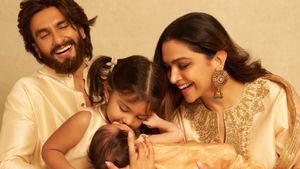 Deepika Padukone And Ranveer Singh Announce Second Daughter’s Name On Dussehra, Share Family Photo
-
 Who Was Karthik Sabesh? Tamil Actor Passes Away At 37, Days After Uncle And Composer Deva’s Death
-
 Who Is Ravleen Varghese? Meet The First Malayali Model To Walk The Victoria’s Secret Runway
-
 World Osteoporosis Day 2026: A Minor Fall, A Major Fracture — Doctor On Why Older Adults Should Be Careful


Throwback Thursday: Yash Chopra’s Heroines And The Fashion That Defined Bollywood Romance

Some filmmakers leave behind memorable films, while others create an entire visual world that audiences continue to recognise decades later. Yash Chopra belonged to the latter category. Snow-covered mountains, sweeping romantic melodies, blooming mustard fields and heroines dressed in flowing chiffon saris became signatures of his cinema, turning costumes into unforgettable fashion moments.

On Throwback Thursday, following his death anniversary on October 21, we look back at the women who helped define his cinematic legacy.
1. Sharmila Tagore: The Graceful Beginning In 'Daag'
Yash Chopra's romantic heroines were never defined by fashion alone. Their emotional complexity and individuality were equally important, and Sharmila Tagore's performance in 'Daag' (1973) offers an early glimpse of this approach.
Her screen presence reflected the understated elegance of the period, with classic Indian silhouettes and feminine styling complementing the film's emotional drama. Sharmila's association with Chopra's cinema also extended to 'Waqt' (1965), one of his earlier directorial ventures.
2. Rakhee: Understated Elegance And Emotional Strength
Rakhee became an important presence in Yash Chopra's cinema through films such as 'Kabhi Kabhie' (1976), 'Trishul' (1978) and 'Kaala Patthar' (1979).
Her characters brought emotional depth to stories involving love, family, sacrifice and complicated relationships. Their styling reflected the fashion sensibilities of the 1970s, with graceful Indian wear and silhouettes that complemented the characters rather than overpowering them.
3. Rekha: The Pastel Sari That Became A Bollywood Classic
Few film-fashion associations are as enduring as Rekha's elegant sari looks in 'Silsila' (1981). Her soft pastel pink or lilac sari, paired with statement feather earrings, became one of the film's most memorable fashion moments. Against picturesque landscapes, the flowing drape, understated makeup and carefully styled hair captured the romantic aesthetic that became synonymous with Yash Chopra's cinema.
4. Sridevi: The 'Chandni' Look That Became A Phenomenon
Sridevi took the Yash Chopra aesthetic to another level with 'Chandni' (1989). Her colourful chiffon saris, soft hairstyles and fresh, feminine styling became central to the film's identity. The picturesque Swiss locations amplified the effect, creating a visual combination that audiences came to associate with Bollywood romance.
She reunited with Chopra for 'Lamhe' (1991), where the costumes reflected different stages of the story and the contrasting personalities of her characters.
5. Juhi Chawla: A Youthful, Contemporary Take On Romance
With 'Darr' (1993), Juhi Chawla brought a fresh, youthful style to Yash Chopra's cinema. As Kiran, she wore a mix of Western-inspired dresses, patterned long skirts and contemporary separates, alongside chiffon saris paired with distinctive off-shoulder and halter-neck blouses.
Designed by Neeta Lulla, her wardrobe moved away from conventional heroine styling and embraced a more relaxed, modern femininity. The contrast between her playful everyday outfits and the film's flowing saris with contemporary blouses helped make Kiran's fashion memorable. Juhi's off-shoulder blouse, corset and bohemian skirt combination in the song 'Jaadu Teri Nazar' became one of the era's defining Bollywood fashion trends.
6. Madhuri Dixit And Karisma Kapoor: Two Fashion Personalities In 'Dil To Pagal Hai'
By the time 'Dil To Pagal Hai' arrived in 1997, Bollywood fashion was embracing a more contemporary aesthetic.
Madhuri Dixit's Pooja popularised pastel-coloured, translucent chiffon kurtas, fitted churidars and elegant salwar suits. Her soft, feminine styling struck a balance between traditional Indian wear and contemporary fashion. Karisma Kapoor's Nisha offered a striking contrast, with sporty Western outfits, coordinated separates and bold silhouettes reflecting her confident personality as a dancer.
Designed by Manish Malhotra, their wardrobes became major fashion talking points, with Madhuri's chiffon kurtas and Karisma's sporty looks inspiring trends among young women. The film demonstrated that Yash Chopra's heroines did not need to wear saris to become style icons. Contemporary Indian wear and Western fashion could be equally memorable in his distinctive cinematic world of music and romance.
7. Preity Zinta: Traditional Elegance In 'Veer-Zaara'
'Veer-Zaara' (2004) saw Preity Zinta embrace a strikingly different look as Zaara, a Pakistani woman, in Yash Chopra's cross-border romance.
Designed by Manish Malhotra and Mandira Shukla, her wardrobe drew inspiration from Lahore and Karachi, featuring vibrant colours, delicate floral embroidery and elegant salwar-kurta sets. The traditional outfits complemented Zaara's cultural roots, while stone jewellery added to their understated charm.
One of the film's most memorable fashion moments was Zaara's crimson bridal ensemble in the song 'Aaya Tere Dar Par'. The richly coloured traditional bridal wear became a source of inspiration for Indian brides, cementing Preity's look in 'Veer-Zaara' as a memorable example of Bollywood's enduring influence on ethnic fashion.
8. Katrina Kaif And Anushka Sharma: The Final Chapter In 'Jab Tak Hai Jaan'
Yash Chopra's final directorial film, 'Jab Tak Hai Jaan' (2012), brought together Katrina Kaif and Anushka Sharma as two women with contrasting personalities and styles.
Katrina's Meera, a London-based woman, wore sophisticated, Western-inspired outfits designed by Manish Malhotra. Her wardrobe featured flowing printed gowns, statement jackets, skirts and embellished lehengas, blending contemporary British influences with the romantic elegance associated with Chopra's cinema.
Anushka's Akira, a spirited Discovery Channel correspondent, had a more youthful, energetic look that reflected her independent personality and adventurous career.
Their contrasting wardrobes showcased the evolving fashion of Hindi-film heroines, while the film retained Yash Chopra's signature blend of romance, evocative music and picturesque landscapes.
The Enduring Legacy Of The Yash Chopra Heroine
Looking back at Yash Chopra's heroines is also a journey through changing ideas of Indian femininity and fashion.
The chiffon sari remains the most recognisable thread running through this legacy, but it was never the whole story. Chopra paid attention to the way clothes moved, how colours complemented a landscape, and how styling could communicate a character's personality without overwhelming the narrative.
More than a decade after his passing, the image of a heroine in a flowing sari against a snow-covered mountain still evokes the romance of Yash Chopra's cinema. His films continue to remind us that sometimes, a single look can become part of a nation's collective memory.

 Continue with Google


