



 Click it and Unblock the Notifications



Latest Updates
-
 Diwali 2026: When to Perform Lakshmi Puja? Check Auspicious Timings for Your City by Astrologer
-
 Diwali 2026 Astrology Predictions: 4 Zodiac Signs May Shine While 4 Need to Stay Alert
-
 Diwali 2026: 2 Delicious Hazelnut Recipes to Sweeten Your Festive Celebrations
-
 Diwali 2026: Celebrate the Festival With Chef Ranveer Brar's Delicious Shahi Pulao Recipe
-
 Diwali 2026: How Firecracker Smoke and Air Pollution Affect Your Skin, Dr Ajay Rana Explains
-
 What does Diwali 2026 hold for you? Astrologer Ashutosh Clairvoyant explains
-
 Diwali Wishes for Family 2026: 51 Heartfelt Messages, WhatsApp Greetings and Quotes to Share
-
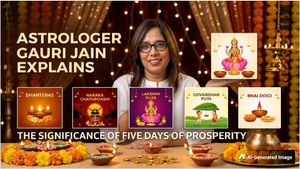 Diwali 2026: Understanding the Spiritual Significance of Five Days with Astrologer Gauri Jain
-
 Your Health Is Your Greatest Wealth: 7 Everyday Habits That Can Help You Lead a Healthier Life
-
 Diwali Party Menu: 8 Healthy, Festive Dishes Everyone Will Love


The Kolayat Fair At Kapila's Abode

Every Indian festival is unique in its own way. Some of the larger pan-Indian festivals like Holi and Diwali get more attention and people very well know about them. However, even the local festivals like the Kolayat cattle fair in Bikaner, Rajasthan have their own significance. It comes with its own collection, legends and rituals. The Kolayat fair is a festival that takes place in between the 17 and 22nd of November (Kartik Purnima) every year in the honour of an ancient sage named Kapila.

Who is Kapila Muni?
The Sage Kapila is believed to have descended on Earth as an incarnation of Vishnu. Lord Krishna (another incarnation of Vishu) alludes to him when he speaks the Gita during the battle of Mahabharata.
Sage Kapila is mainly associated with the birth of the Ganges river or Goddess Ganga's descent from heaven.
Where is Kolayat?
Kolayat was earlier known as Kapilastan because this is the place where Kapila Muni lived. It is very close to Bikaner city and the distance can be covered by bus or a private car.
The main sight of the festival is the Ther lake. This lake and the hamlet at Kolayat has been mentioned in the Puranas as Kapila's abode. There are 52 ghats around the lake; each attached to some temple or the other. There are some private ghats and also ghats reserved for women to bathe. There is a dense growth of old banyan trees around the lake that gives the lake a perpetually shaded presence.
The temple of Kapila muni is also on one of these ghats. It is popularly called the Ther temple. A huge towering marble statue of the sage dominates the temple. The sculpture shows Kapila riding in his chariot.
What happens in the Kolayat fair?
This festival is mainly to honour Kapila rishi and is thus centered around his temple. People take a dip in the holy waters of the Ther lake. These ablutions are supposed to wash away their sins. In fact, Kolayat is listed as one of the pilgrimages that a Hindu must make. One night spent on this holy land is equated with ten years in any other pilgrimage.
The Kolayat fair is tradition that has been born around the festival. It involves the trading of cattle, horses and camels in a huge fair. Cattle fair is held in an open space adjoined the Ther lake. It is a sight to behold as all the cattle are decked up and auctioned to the highest bidder.
The Kolayat fair may not be the most popular Indian festival. But it is an example of the rich heritage in India. If you are in and around Bikaner in November, then you must pay a visit to Kolayat.

 Continue with Google


