




 Click it and Unblock the Notifications


Latest Updates
-
 Durga Puja Pandals Mumbai 2026: 7 Stunning Celebrations To Explore From Matunga To Juhu
 -
 World Spine Day 2026: Is Your Phone Habit Causing Neck Pain? What To Know About Tech Neck
 -
 Breast Cancer Awareness Month 2026: Expert Explains Why Family History Isn't the Only Risk
 -
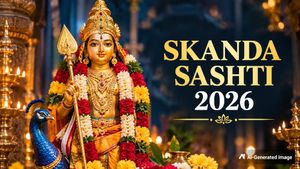 Skanda Sashti 2026: Significance, Vrat Rituals And How Devotees Observe The Day
 -
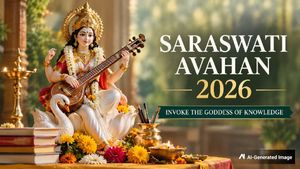 Saraswati Avahan 2026: Significance, Shubh Muhurat, Rituals And Puja Vidhi
 -
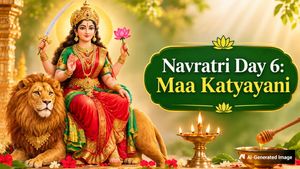 Navratri Day 6: Maa Katyayani Puja, Colour, Rituals, And Significance
 -
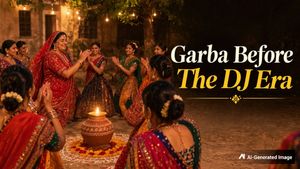 Garba Before The DJ Era: What Navratri Looked Like In Earlier Times
 -
 What Does Indian Design Mean Today? A Creative Director Explains
 -
 Why Your Vision Can Feel Different In Bright And Dim Rooms, Expert Explains
 -
 Pandal Hopping In Bengaluru 2026: 7 Durga Puja Venues Worth Your Time


Babies Born During Pitru Paksha, Lucky Or Unlucky? What Ancient Beliefs Say About Their Fate

Every year, Pitru Paksha-also known as Shraddha Paksha-brings a period of deep reflection, prayers, and rituals dedicated to ancestors. This year, it will be observed from Sunday, 7 September 2025 to Sunday, 21 September 2025.
According to Hindu traditions, this fortnight is a sacred time when families honour their forefathers with offerings and rituals. Yet, amidst this solemn observance, an intriguing belief often surfaces: what happens if a baby is born during Pitru Paksha? Is such a birth considered lucky, or does it carry an inauspicious shadow?

This question has been debated for centuries, blending mythology, astrology, and cultural practices into a fascinating narrative that continues to intrigue families today.
Ancient Beliefs Around Pitru Paksha Births
In traditional Hindu thought, Pitru Paksha is considered a time when the gates between the mortal and ancestral realms open. Babies born during this period were once believed to carry a strong karmic connection with their ancestors. Some elders viewed such births with caution, thinking the child might have a heavier karmic debt. Others, however, saw it as deeply auspicious, as the child was thought to be blessed directly by the family's forefathers.
Pitru Paksha: What It Means For Babies
Astrology plays a central role in how births during Pitru Paksha are understood. Vedic astrologers often analyze the planetary positions at the child's birth to determine whether the timing brings challenges or blessings. Some astrologers suggest that such children are born with heightened spiritual sensitivity or a special purpose in life. The horoscope or kundali of the baby, rather than the period alone, is seen as the true indicator of destiny.
Are Pitru Paksha Births Inauspicious?
A widespread misconception is that children born during Pitru Paksha are automatically considered unlucky. However, many spiritual leaders argue against this view. According to scriptures, no time is inherently bad for birth-since life itself is divine. The inauspicious label may have arisen from the somber tone of the fortnight, which focuses on remembrance rather than celebration. Modern interpretations emphasize that the actual planetary alignment at birth is far more important than the calendar period.
Babies Born In Pitru Paksha: Rituals And Remedies
Families who feel anxious about a Pitru Paksha birth often perform specific rituals for protection and blessings. These can include a special puja for ancestors, donations to Brahmins or the needy, or chanting mantras for the baby's wellbeing. Some also organize a Naamkaran (naming ceremony) or cradle ceremony after Pitru Paksha ends, to shift the focus from ancestral rituals to welcoming the newborn with joy and prosperity.
What's The Ancestral Connection?
On a deeper spiritual level, many believe that a child born during Pitru Paksha carries the strength of ancestral blessings. Such babies may be destined to heal generational patterns or bring honor to their lineage. In this perspective, being born in Pitru Paksha is less about misfortune and more about fulfilling a sacred family responsibility, making it a blessing in disguise.
Ultimately, what defines a child's journey is not superstition alone, but the love, guidance, and opportunities they receive. Pitru Paksha births remind us that life is sacred in every moment-and that ancestors, far from casting shadows, may instead be guiding lights for the generations to come.

 Continue with Google

